#83 WordPress 6.9 Beta 3
WordPress 6.9 Beta 3 is available for download and testing!
This beta version of the WordPress software is still under development. Please don’t install, run, or test this version of WordPress on production or mission-critical websites. Instead, you can evaluate Beta 3 on a test server and site.
WordPress 6.9 Beta 3 can be tested using any of the following methods:
| Plugin | Install and activate the WordPress Beta Tester plugin on a WordPress install. (Select the “Bleeding edge” channel and “Beta/RC Only” stream.) |
| Direct Download | Download the Beta 3 version (zip) and install it on a WordPress website. |
| Command Line | Use this WP-CLI command: wp core update --version=6.9-beta3 |
| WordPress Playground | Use the 6.9 Beta 3 WordPress Playground instance to test the software directly in your browser. No setup is required – just click and go! |
The final release of WordPress 6.9 is scheduled for December 2, 2025, and the release schedule can be found here. Your help testing Beta and RC versions is vital to making this release as stable and powerful as possible. Thank you to everyone who helps with testing!
Please continue checking the Make WordPress Core blog for 6.9-related posts in the coming weeks for more information.
Find out what’s new in WordPress 6.9: Read the Beta 1 announcement for details and highlights.
How to test this release
Your help testing the WordPress 6.9 Beta 3 version is key to ensuring that everything in the release is the best it can be. While testing the upgrade process is essential, trying out new features is equally as important. This detailed guide provides a walk through on testing features in WordPress 6.9.
If you encounter an issue, please report it to the Alpha/Beta area of the support forums, or directly to WordPress Trac if you are comfortable writing a reproducible bug report. You can also check your issue against a list of known bugs.
Curious about testing releases in general? Follow along with the testing initiatives in Make Core and join the #core-test channel on Making WordPress Slack.
Beta 3 updates and highlights
WordPress 6.9 Beta 3 contains more than 80 updates and fixes since the Beta 2 release.
Each beta cycle focuses on bug fixes, and more are on the way with your testing! You can browse the technical details for all issues addressed since Beta 2 using these links:
- Gutenberg commits for 6.9 since October 28, 2025
- Closed Core Trac tickets for 6.9 since October 28, 2025
- Comparing commit changes in Core for 6.9 since October 28, 2025
A Beta 3 haiku
Code is poetry,
and poetry is magic.
So code is magic.
Props to @akshayar , @jeffpaul, @krupajnanda, @mosescursor, and @westonruter for proofreading and review.
Related Posts
#3220 **Empowering Digital Presence: How WordPress Supports Arfi Foundation's Mission**
**CONTENT**
In today's digital era, having a robust online presence is crucial for any organization, including non-profit entities like the Arfi Foundation. As a dedicated charity, Arfi Foundation relies on effective communication to reach its audience, share its story, and mobilize support for its causes. One of the most popular and user-friendly platforms for creating and managing websites is WordPress. In this blog post, we will explore how WordPress supports Arfi Foundation's mission and provides practical insights on leveraging its capabilities.
**A Brief Overview of WordPress**
WordPress is an open-source content management system (CMS) that powers over 60 million websites worldwide. Its flexibility, ease of use, and customization options make it an ideal choice for organizations of all sizes and types. Whether you're looking to create a simple blog or a complex e-commerce site, WordPress has the features and extensions to help you achieve your goals.
**Arfi Foundation's WordPress Journey**
At Arfi Foundation, we recognized the potential of WordPress to amplify our digital presence and enhance our online engagement. We began by creating a custom WordPress website that showcases our mission, programs, and impact. Our website serves as a central hub for information, news, and updates, allowing us to easily share our story with a wider audience.
**Benefits of Using WordPress for NGOs**
So, why choose WordPress for your NGO or charity website? Here are some compelling reasons:
* **Flexibility and Customization**: WordPress offers a vast array of themes, plugins, and customization options, allowing you to create a unique and tailored website that reflects your organization's brand and identity.
* **Ease of Use**: WordPress is incredibly user-friendly, even for those without extensive technical expertise. Its intuitive interface and drag-and-drop functionality make it easy to update content, add new features, and manage your website.
* **Cost-Effective**: WordPress is free to use, and its open-source nature means that you can access a vast community of developers and contributors who create extensions and themes to support your website.
* **Scalability**: WordPress can grow with your organization, accommodating increasing traffic, content, and features without sacrificing performance or security.
**Best Practices for NGOs Using WordPress**
While WordPress is an excellent platform for NGOs, there are some best practices to keep in mind to ensure optimal performance and security:
* **Choose a Reliable Host**: Select a reputable web hosting service that offers reliable uptime, fast loading speeds, and robust security features.
* **Use Secure Themes and Plugins**: Only use themes and plugins from trusted sources, and ensure they are regularly updated to prevent security vulnerabilities.
* **Regularly Update and Back Up**: Regularly update your WordPress installation, themes, and plugins to ensure you have the latest security patches and features.
* **Monitor Performance**: Use tools like Google Analytics and PageSpeed Insights to monitor your website's performance and identify areas for improvement.
**Conclusion**
In conclusion, WordPress is an excellent choice for NGOs like Arfi Foundation looking to enhance their digital presence and engage with their audience more effectively. With its flexibility, ease of use, and cost-effectiveness, WordPress provides an ideal platform for creating and managing websites that reflect your organization's mission and values. By following best practices and leveraging the capabilities of WordPress, Arfi Foundation can continue to inspire and mobilize support for its causes, making a lasting impact in the lives of those it serves.
**EXCERPT**
Discover how WordPress supports Arfi Foundation's mission to create a more just and equitable world. Learn how this powerful platform empowers NGOs to enhance their digital presence, engage with their audience, and make a lasting impact.



#2871 **Empowering Social Impact: Leveraging WordPress for Arfi Foundation's Online Presence**
As a non-governmental organization (NGO) dedicated to creating positive change in the world, Arfi Foundation understands the importance of having a strong online presence. In today's digital age, a well-designed website is no longer a luxury, but a necessity for any organization aiming to make a meaningful impact. In this blog post, we'll delve into the world of WordPress, exploring its benefits, features, and how Arfi Foundation can harness its power to amplify its online presence.
**What is WordPress?**
WordPress is a free, open-source content management system (CMS) that has revolutionized the way websites are created and managed. With over 60 million websites worldwide, WordPress is the most popular CMS in use today. Its flexibility, scalability, and user-friendly interface make it an ideal choice for individuals, small businesses, and large organizations alike. Whether you're looking to create a simple blog or a complex e-commerce site, WordPress has the tools and features to help you achieve your online goals.
**Benefits of WordPress for NGOs like Arfi Foundation**
So, why should Arfi Foundation consider WordPress for its online presence? Here are just a few benefits:
* **Flexibility and Customizability**: With thousands of free and paid themes, plugins, and widgets, WordPress offers endless possibilities for designing a website that reflects Arfi Foundation's brand and values.
* **Ease of Use**: WordPress is incredibly user-friendly, making it easy for staff members or volunteers with little technical expertise to manage and update the website.
* **Cost-Effective**: WordPress is free to download and use, and many themes and plugins are available at a low cost or even for free.
* **Scalability**: Whether Arfi Foundation needs a simple website or a complex platform with multiple features, WordPress can grow and adapt to meet its evolving needs.
* **Community Support**: With a vast community of developers, designers, and users, WordPress offers extensive support and resources to help Arfi Foundation overcome any challenges it may face.
**How Arfi Foundation can leverage WordPress**
At Arfi Foundation, we're committed to using technology to amplify our impact and reach. Here are a few ways we can leverage WordPress to create a stronger online presence:
* **Create a Donations Page**: With WordPress, we can easily set up a secure donations page that allows supporters to contribute to our cause.
* **Build a Volunteer Database**: WordPress plugins like Volunteer Buddy or GiveWP can help us manage our volunteer database, track volunteer hours, and send reminders and notifications.
* **Share News and Updates**: WordPress's blogging capabilities allow us to share news, updates, and stories about our work, keeping supporters informed and engaged.
* **Host Events and Webinars**: With WordPress, we can easily create event pages, send reminders and invitations, and track RSVPs.
**Best Practices for Implementing WordPress**
While WordPress is an incredibly powerful tool, there are a few best practices to keep in mind when implementing it:
* **Choose a reliable hosting provider**: Select a reputable hosting provider that offers fast and secure hosting, such as Bluehost or SiteGround.
* **Select a suitable theme**: Choose a theme that reflects Arfi Foundation's brand and values, and is optimized for mobile devices.
* **Install necessary plugins**: Install essential plugins like Yoast SEO, Jetpack, and Wordfence to ensure website security and performance.
* **Regularly update and maintain the website**: Regularly update themes, plugins, and WordPress core to ensure the website remains secure and performs optimally.
In conclusion, WordPress is a powerful tool that can help Arfi Foundation amplify its online presence, engage with supporters, and achieve its social impact goals. By leveraging its flexibility, scalability, and user-friendly interface, we can create a strong online foundation that supports our mission and values.
**EXCERPT:** "Empower your social impact with WordPress. Learn how Arfi Foundation is harnessing the power of WordPress to create a stronger online presence, engage with supporters, and achieve its mission goals."




#2522 **Unlocking Digital Potential: How WordPress Empowers Arfi Foundation's Online Presence**
**CONTENT**
As a non-governmental organization (NGO) dedicated to making a positive impact on the lives of underprivileged communities, the Arfi Foundation recognizes the importance of having a robust online presence. In today's digital age, a well-designed and user-friendly website is no longer a luxury, but a necessity for any organization seeking to connect with its audience, share its mission, and raise awareness about its cause. At the heart of Arfi Foundation's digital strategy lies WordPress, a powerful content management system (CMS) that has revolutionized the way the organization engages with its stakeholders.
**Why WordPress?**
So, what makes WordPress an ideal choice for Arfi Foundation's online presence? For starters, WordPress is a flexible and customizable platform that can accommodate a wide range of needs and requirements. From simple blogs to complex e-commerce websites, WordPress has been successfully used by millions of websites worldwide. Its ease of use, scalability, and affordability make it an attractive option for organizations like Arfi Foundation, which requires a robust online presence to achieve its goals.
**Building a Strong Online Presence**
Arfi Foundation's website, built on WordPress, serves as a hub for sharing its mission, vision, and values with the world. The website features a clean and responsive design, making it accessible on various devices, from desktops to mobile phones. The intuitive navigation and organized content structure ensure that visitors can easily find the information they need, whether it's learning about Arfi Foundation's programs, volunteering opportunities, or making a donation.
**WordPress Plugins and Customization**
One of the significant advantages of using WordPress is its vast array of plugins, which can enhance the functionality of a website. Arfi Foundation has leveraged several plugins to create a seamless user experience, including contact forms, social media integrations, and SEO optimization tools. Furthermore, customization is key to creating a unique online presence. Arfi Foundation's website boasts a custom-designed theme, tailored to reflect the organization's brand identity and values.
**Empowering Online Engagement**
WordPress has enabled Arfi Foundation to engage with its stakeholders more effectively. The website features a blog, where the organization shares stories, updates, and insights into its work. This not only fosters a sense of community but also provides a platform for Arfi Foundation to showcase its impact and build relationships with its audience. Additionally, the website includes a donation feature, making it easy for supporters to contribute to the organization's cause.
**SEO and Accessibility**
Search Engine Optimization (SEO) is critical for any organization seeking to increase its online visibility. WordPress provides a range of SEO tools, including meta tags, header tags, and content optimization features. Arfi Foundation has optimized its website to improve its search engine rankings, ensuring that its content reaches a wider audience. Furthermore, the website is designed with accessibility in mind, adhering to the Web Content Accessibility Guidelines (WCAG 2.1) to ensure that all visitors can navigate and engage with the website comfortably.
**Conclusion**
In conclusion, WordPress has been a game-changer for Arfi Foundation's online presence. By leveraging the flexibility, scalability, and customizability of WordPress, the organization has created a robust online platform that empowers its stakeholders, fosters engagement, and showcases its mission. As Arfi Foundation continues to grow and evolve, WordPress will remain a vital component of its digital strategy, enabling the organization to achieve its goals and make a meaningful impact on the lives of underprivileged communities.
**EXCERPT**
"Unlock the full potential of your online presence with WordPress. Discover how Arfi Foundation has leveraged the power of WordPress to create a robust online presence, engage with its stakeholders, and make a meaningful impact on the lives of underprivileged communities."



#1825 **Building a Strong Online Presence for Social Impact: How Arfi Foundation Utilizes WordPress**
CONTENT
As a non-governmental organization (NGO) dedicated to creating positive change in the world, Arfi Foundation understands the importance of having a robust online presence. A well-designed website is the first point of contact for many potential supporters, volunteers, and partners. In this post, we'll explore how Arfi Foundation leverages WordPress to build a strong online presence and achieve its social impact goals.
**Why WordPress?**
WordPress is the world's most popular content management system (CMS), powering over 40% of all websites on the internet. Its flexibility, scalability, and customizability make it an ideal choice for NGOs like Arfi Foundation. With WordPress, you can easily create a website that reflects your organization's brand and mission, while also providing a user-friendly experience for your audience.
**Customizing Your WordPress Website for Social Impact**
At Arfi Foundation, we take pride in our ability to create a unique and engaging online experience for our supporters. Our WordPress website is designed to showcase our mission, values, and impact, while also providing a seamless experience for donors, volunteers, and community members. Here are a few ways we customize our WordPress website for social impact:
* **Clear and concise messaging**: Our website is built around a clear and concise message that communicates our mission, values, and goals.
* **Visual storytelling**: We use high-quality images and videos to tell the stories of the people and communities we serve, making our impact more relatable and tangible.
* **Easy donation process**: We've integrated a secure and easy-to-use donation system, making it simple for supporters to contribute to our cause.
* **Volunteer opportunities**: We showcase available volunteer opportunities and provide a simple way for interested individuals to get involved.
**Benefits of Using WordPress for NGOs**
Using WordPress for your NGO website offers a range of benefits, including:
* **Cost-effective**: WordPress is open-source and free to use, making it a cost-effective solution for NGOs with limited budgets.
* **Flexible and scalable**: WordPress can be easily customized to meet the needs of your organization, whether you're just starting out or growing rapidly.
* **Search engine optimization (SEO)**: WordPress websites are optimized for search engines, helping to increase visibility and attract more visitors to your site.
* **Accessibility**: WordPress websites are designed to be accessible to all users, including those with disabilities.
**Best Practices for Creating a WordPress Website for Social Impact**
While WordPress is a powerful tool for creating a website, there are some best practices to keep in mind when building a WordPress website for social impact:
* **Keep it simple**: Avoid clutter and keep your website simple and easy to navigate.
* **Use clear and concise language**: Use language that is clear, concise, and free of jargon.
* **Make it mobile-friendly**: Ensure that your website is optimized for mobile devices, as many visitors will access your site on their smartphones.
* **Regularly update and maintain**: Regularly update your website with fresh content and maintain your site to ensure it remains secure and performs well.
**Conclusion**
At Arfi Foundation, we're committed to using technology to drive social impact. By leveraging WordPress, we're able to create a strong online presence that showcases our mission, values, and impact. Whether you're just starting out or looking to refresh your existing website, WordPress is an excellent choice for NGOs like Arfi Foundation. With its flexibility, scalability, and customizability, WordPress can help you achieve your social impact goals and make a meaningful difference in the world.
**EXCERPT**
Discover how Arfi Foundation utilizes WordPress to build a strong online presence and achieve its social impact goals. Learn the benefits of using WordPress for NGOs and best practices for creating a website that drives real change.




#86 Portland, Are You Ready? The WCUS 2025 Schedule Has Arrived!
We’re excited to announce that the full schedule for WordCamp US 2025 has been published! From August 26–29 in Portland, Oregon, join web creators, innovators, and community leaders for four days of learning, collaboration, and inspiration. This year’s lineup brings together sessions on everything from cutting-edge AI to hands-on workshops, performance, accessibility, design, and the future of WordPress.

Check out the full schedule and start planning your WordCamp experience.
Contributor Day — Connect, Collaborate, and Give Back
Kicking off the week on Tuesday, August 26 is Contributor Day, it is your chance to roll up your sleeves and make a direct impact on WordPress. Whether you’re a seasoned developer, creative designer, translator, marketer, or simply passionate about open source, there’s a place for you to get involved. Join WordPress teams working on real projects, share your skills, and connect with people across the global community. Contributor Day is also a fantastic place for hiring managers or business owners to meet emerging talent and see contributors in action. Lunch is provided, and both in-person and select remote participation options are available. If you’ve ever wanted to help shape the future of WordPress, this is your moment!
Read more: Start planning your Contributor Day activities >>
Showcase Day — See WordPress in Action
Showcase Day on Wednesday, August 27, shines a spotlight on what’s possible with WordPress. Get inspired by live demos, case studies, and actionable presentations from experts and innovators using WordPress in creative and impactful ways. You’ll see how changemakers, nonprofits, publishers, and agencies use WordPress to solve real-world problems, build new products, and drive the web forward. Highlights include hands-on workshops, technical talks, and practical sessions covering everything from design systems to modern AI. It’s a full day dedicated to celebrating the talent, creativity, and innovation of the WordPress community.
Read more: See where these inspirational showcases take you >>
Conference Days — Learn, Connect, and Level Up
The main event days for Thursday and Friday, August 28-29, feature a robust mix of technical deep-dives, product masterclasses, and sessions designed for all experience levels. Whether you’re a developer, designer, business owner, or just starting out, you’ll find plenty to explore—from future-focused discussions on AI and performance to hands-on workshops and networking events that bring the community together.
Keynote Highlights:
- Amy Sample Ward, CEO of NTEN: The Tech That Comes Next: How Changemakers, Philanthropists, and Technologists Can Build an Equitable World. Featured Wednesday, August 27.
- Danny Sullivan, from Google Search: Industry leader, featured Thursday, August 28.
- Matt Mullenweg, Co-founder of WordPress: Featured Friday, August 29.
- More keynotes announcing soon!
With dozens of sessions across multiple tracks, plus workshops and networking opportunities, WordCamp US is set to be an unforgettable experience. Don’t miss your chance to connect, share ideas, and help shape the future of the web.
Check out the full schedule and start planning your WordCamp experience.

#87 Maintenance Releases for WordPress branches 4.7 to 6.7
Following on from the WordPress 6.8.2 maintenance release last month, the included update to the root security certificate bundle has been backported to all branches back to 4.7. This ensures that when your site performs server-side HTTP requests, the most up-to-date information about trusted security certificates is used. Further information can be found on the Core Trac ticket.
A new maintenance release for each branch from 4.7 to 6.7 is now available. If you have sites on these branches and they support automatic background updates, the update process will begin automatically.
The latest and only supported version of WordPress remains as 6.8.2. This is being done as a courtesy for sites still running older versions of WordPress. You can download WordPress 6.8.2 from WordPress.org, or visit your WordPress Dashboard, click “Updates”, and then click “Update Now”.
Thank you to these WordPress contributors
Special thanks to @desrosj, @ocean90, @davidbaumwald, @peterwilsoncc, @jorbin, @estelaris, and @johnbillion for backporting and releasing this update.
#85 Portland Welcomes WordCamp US 2025: A Community Gathering
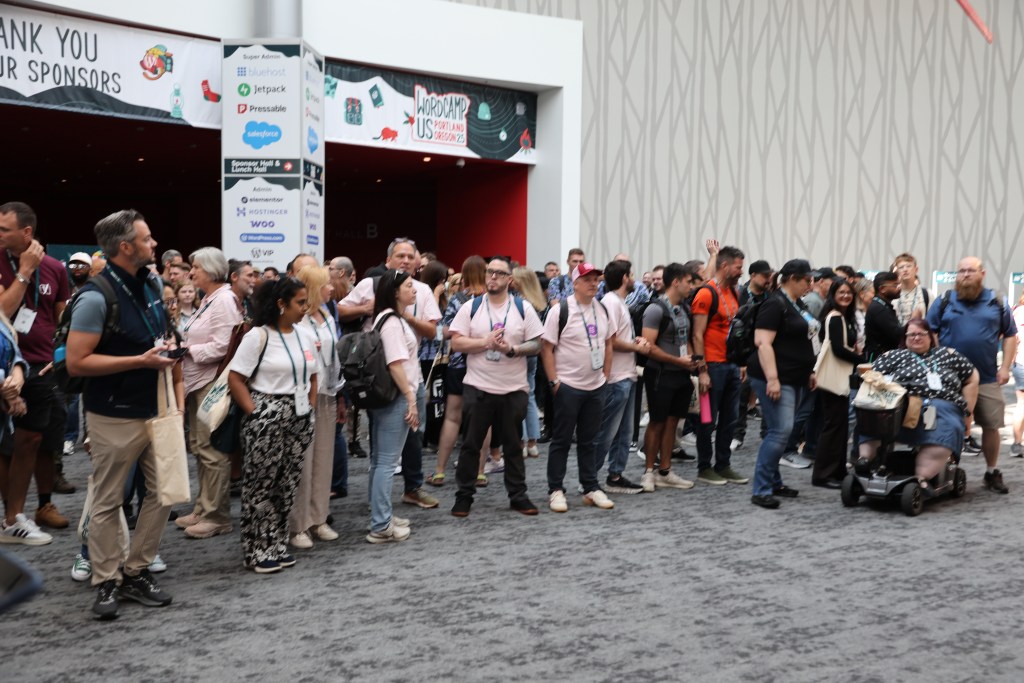
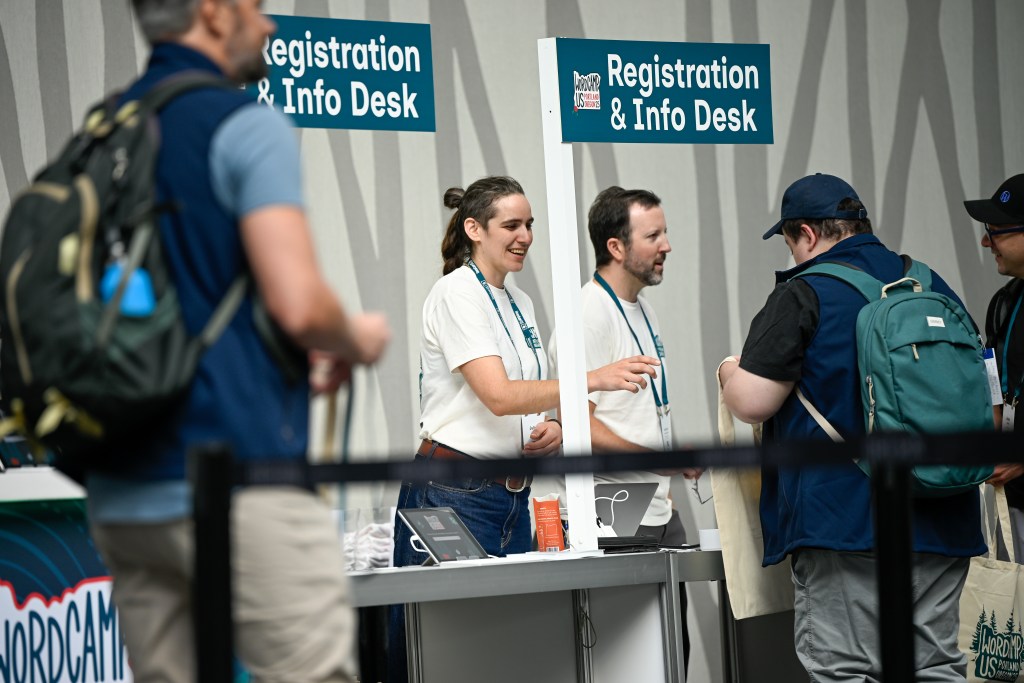
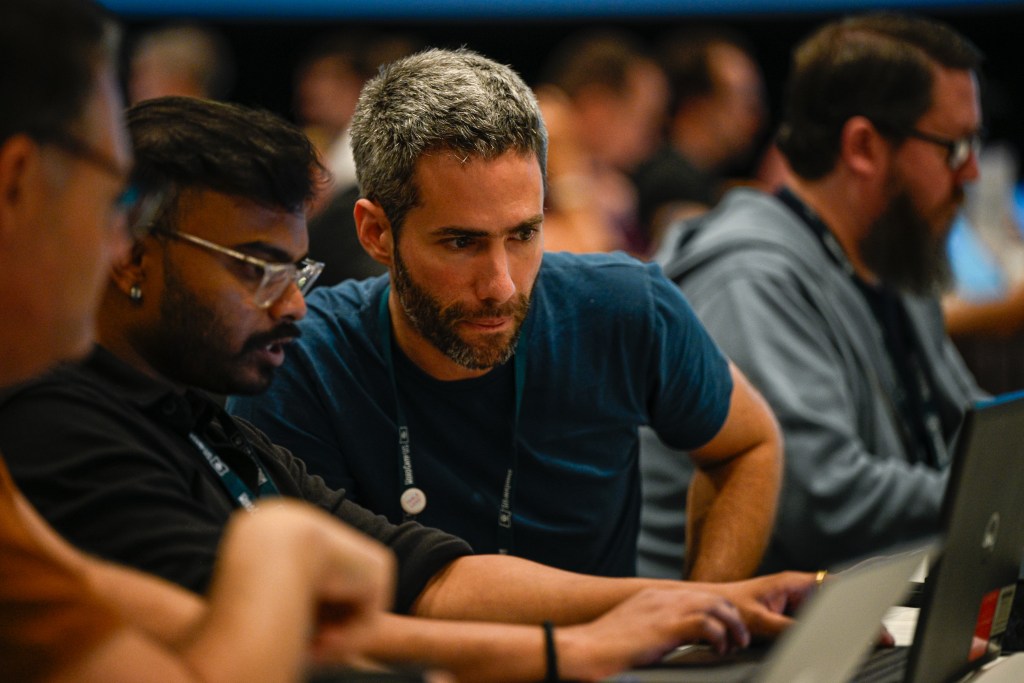
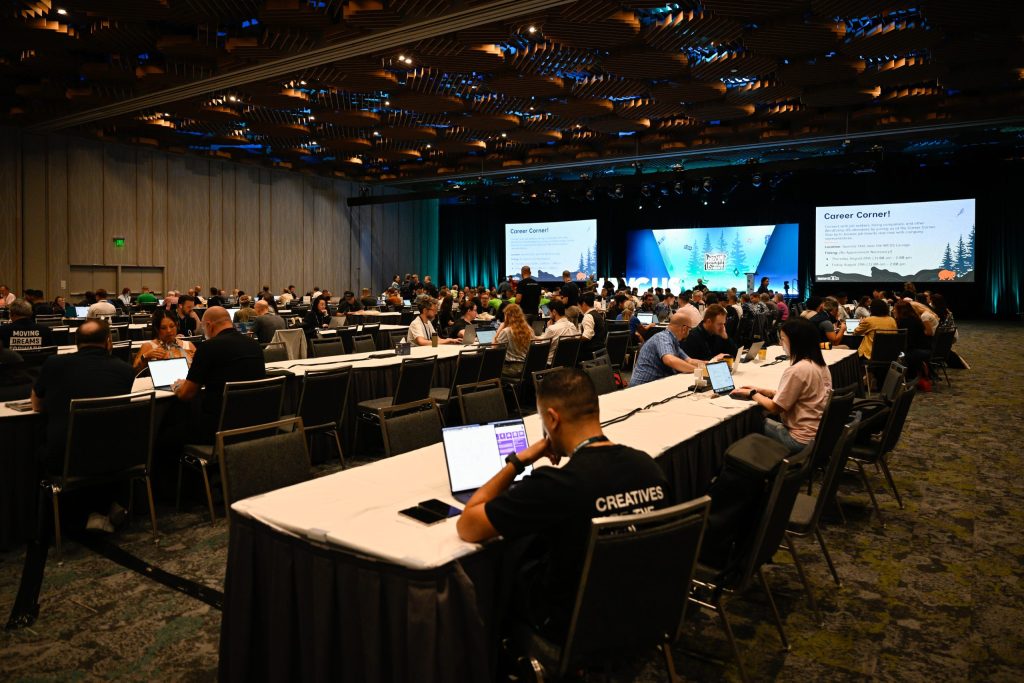
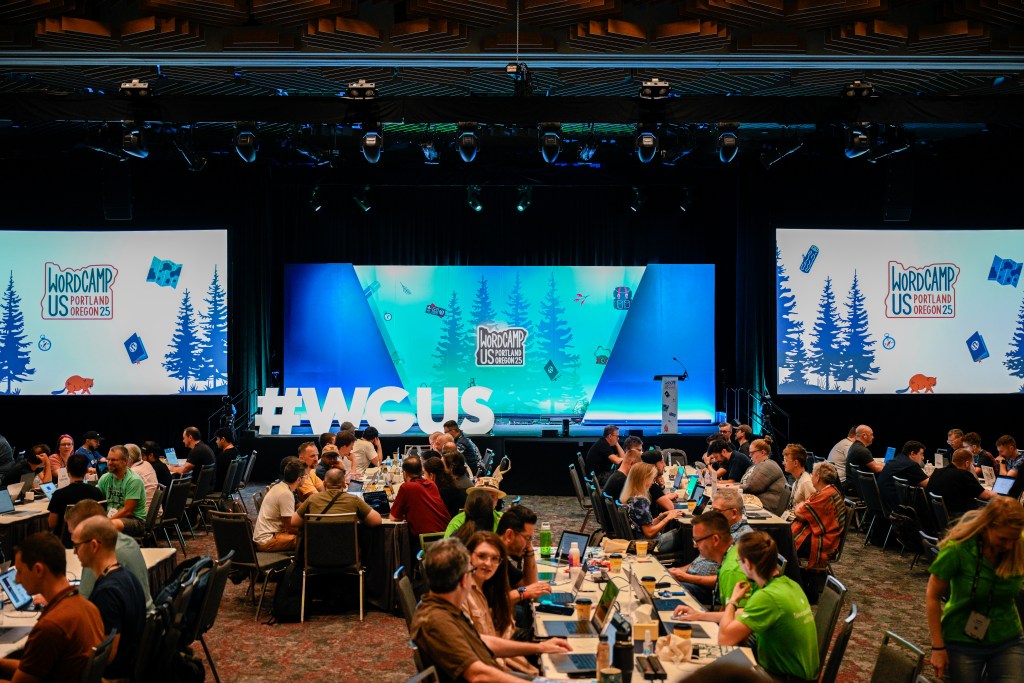
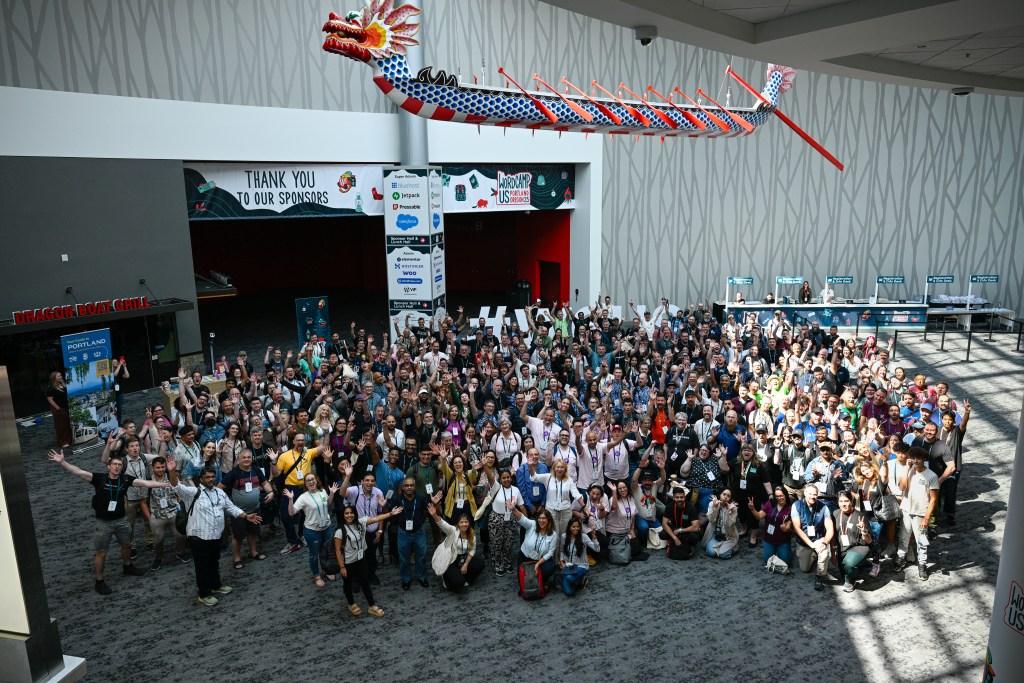
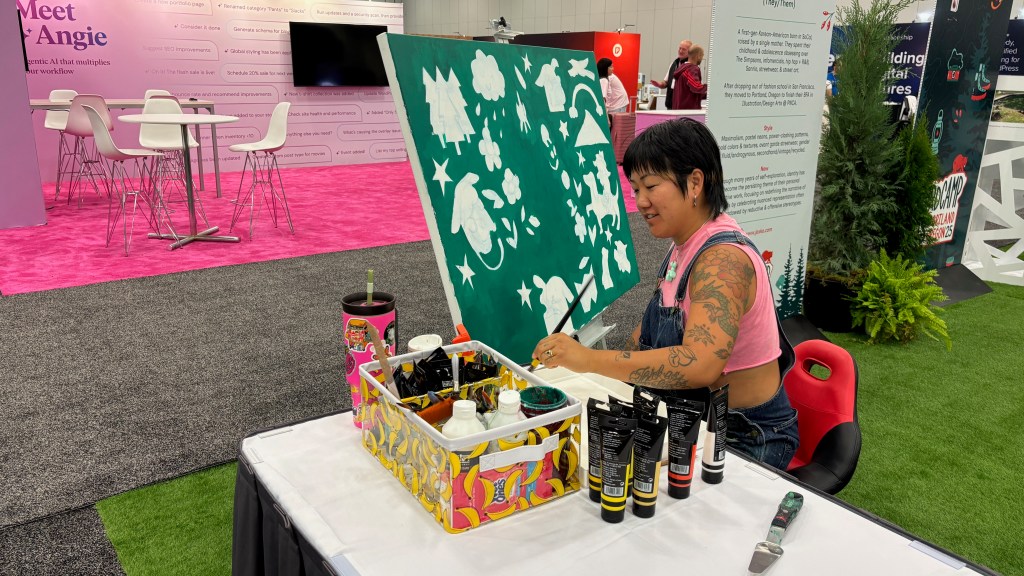
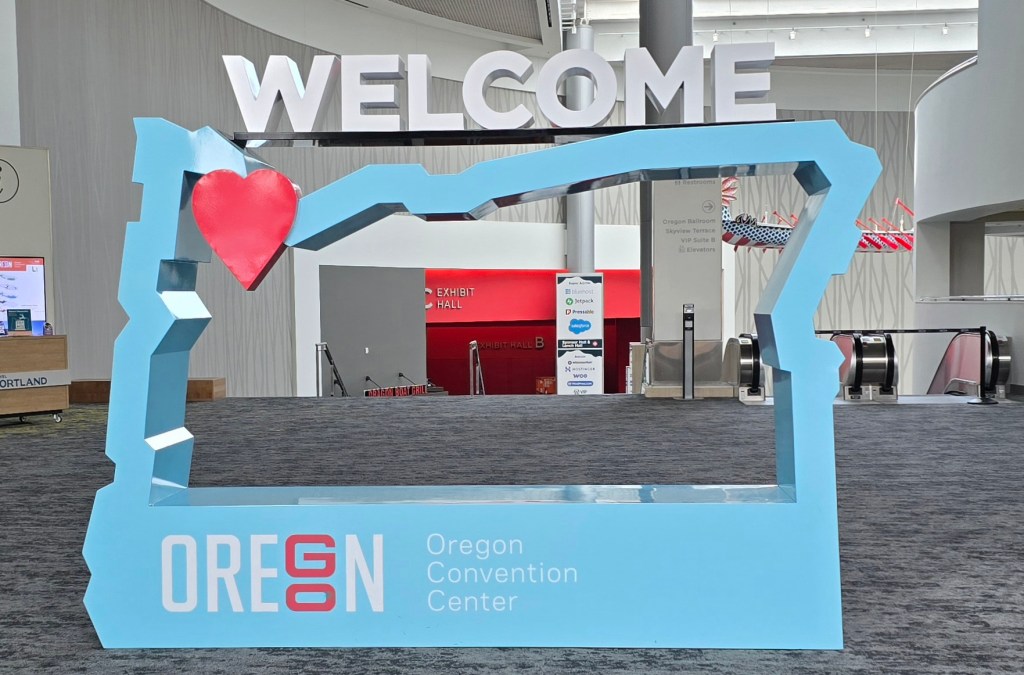
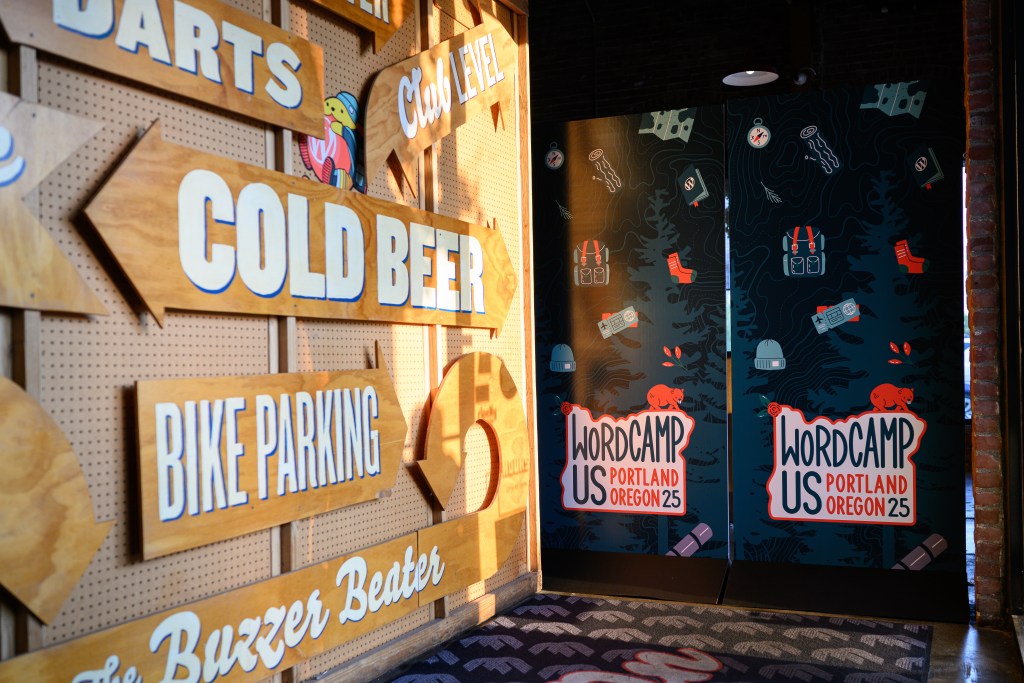
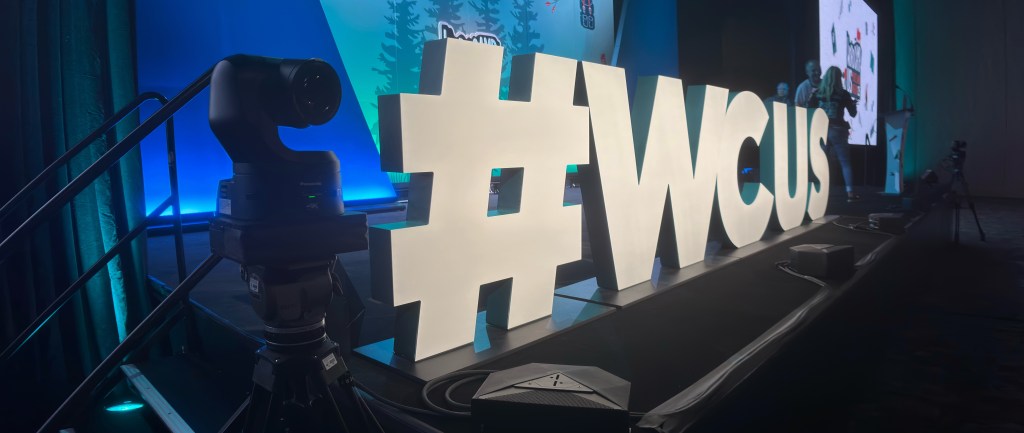
A full house of attendees gathered in Portland, Oregon, for WordCamp US 2025, with thousands more tuning in online. Over four days, the flagship WordPress event brought together contributors, innovators, and community members for collaboration, inspiration, and discovery.
WordPress is so unique because we’re not just a product; we’re a movement.
Matt Mullenweg, WordPress Cofounder
The WordPress event began with a dedicated Contributor Day and continued with a Showcase Day and two days of sessions filled with talks, panels, workshops, and community celebrations. WordPress Cofounder Matt Mullenweg joined a diverse lineup of speakers, panelists, and workshop leaders who brought fresh perspectives to the open web from across the globe.
Set against the vibrant backdrop of Portland — with its iconic bridges, coffee culture, and creative energy — the Sponsor Hall buzzed as companies across the WordPress ecosystem demoed new products, shared insights, and connected with attendees. Each day offered opportunities to refuel with local flavors and international favorites, turning mealtimes into lively hubs of networking and idea-sharing.
A Global Gathering in Portland
WordCamp US is the annual gathering point for the WordPress community — where collaboration, creativity, and innovation intersect. This year in Portland, the event delivered an expansive program that reached every corner of the ecosystem.
Here’s what attendees experienced:
- Engaging Sessions Across Tracks – Keynotes, presentations, and discussions explored the evolving web and the role of open source in shaping it.
- A Global Speaker Lineup – Voices from across continents brought local stories and global visions to the stage.
- Wide-Ranging Topics – From AI in WordPress development to accessibility, design systems, content strategy, education, and case studies of WordPress at scale.
- Hands-On Learning Opportunities – Workshops provided practical takeaways, empowering attendees to apply new skills immediately.
- A Community Built on Collaboration – Whether contributing code, exploring business strategies, or sharing creative projects, attendees found space to learn, grow, and celebrate open source together.
New contributors took their first steps into open source, seasoned developers explored cutting-edge AI integrations, and agencies and product teams shared strategies for scaling WordPress to meet modern needs. Beyond the technical, conversations around inclusivity, sustainability, and education underscored WordPress’s role as a tool for empowerment and positive change.
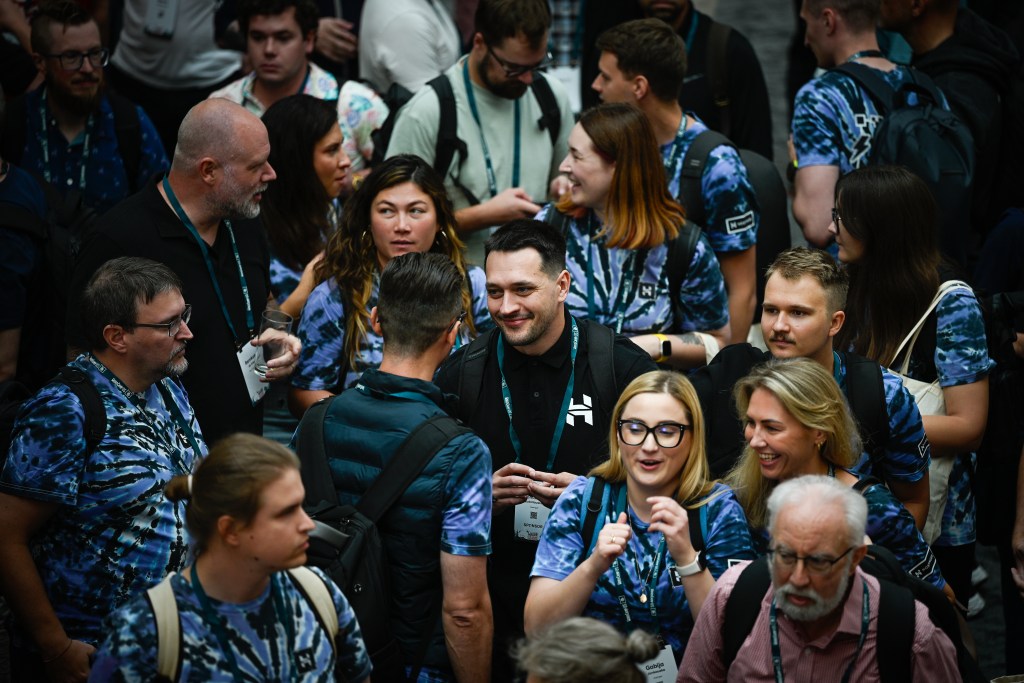
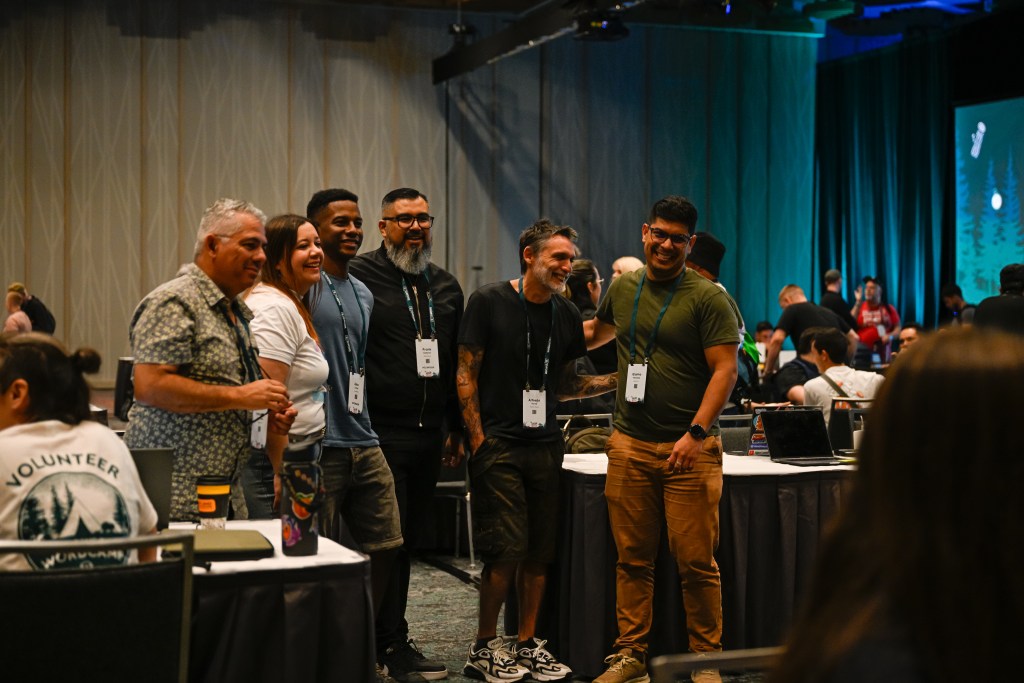
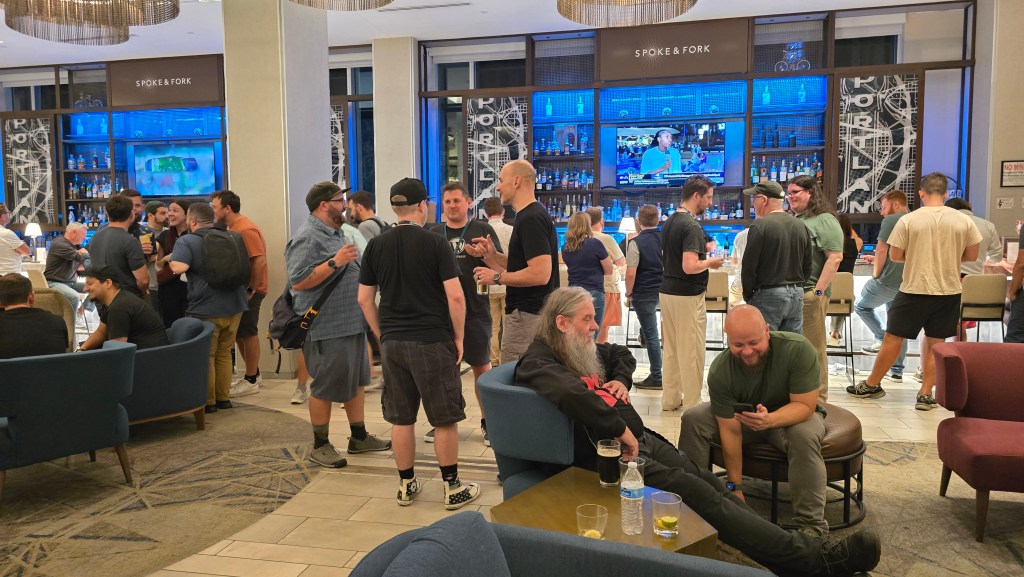
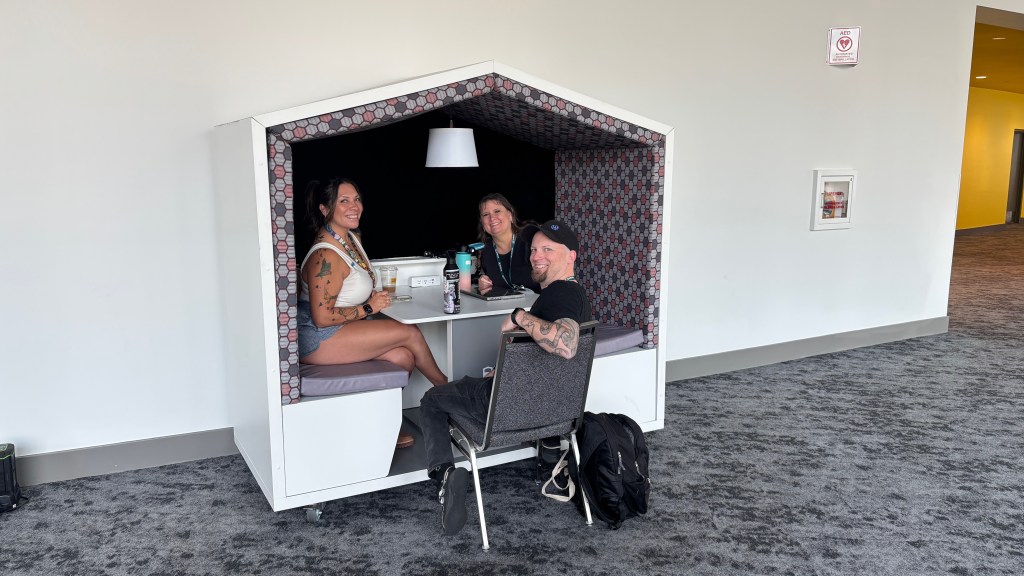
In hallways, coffee lines, and evening meetups, attendees found the “hallway track” alive and well, spontaneous moments of connection that often became the most memorable part of the experience. Whether reconnecting with longtime collaborators or meeting someone new, these small interactions reinforced the heart of WordCamp US: a community that thrives on openness, generosity, and shared purpose.
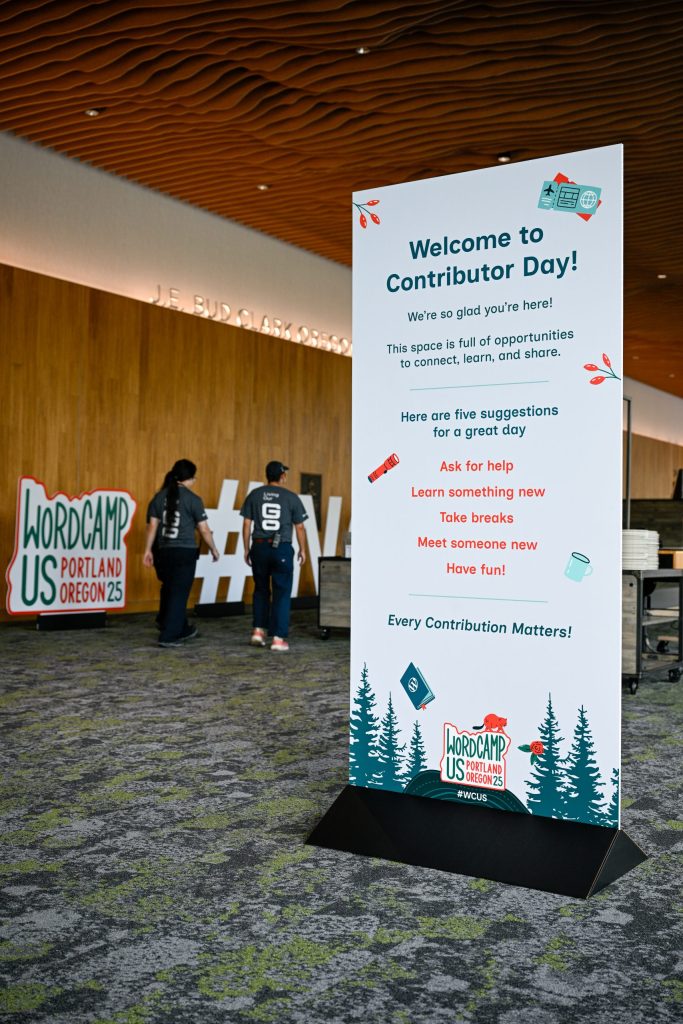
Contributor Day: Collaboration at the Core
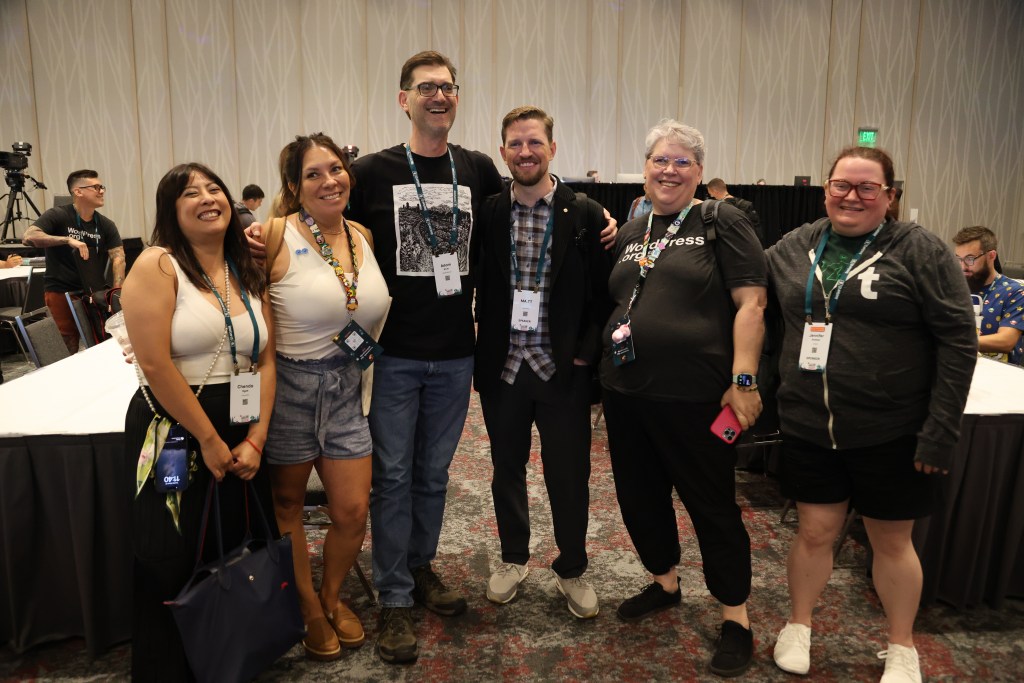
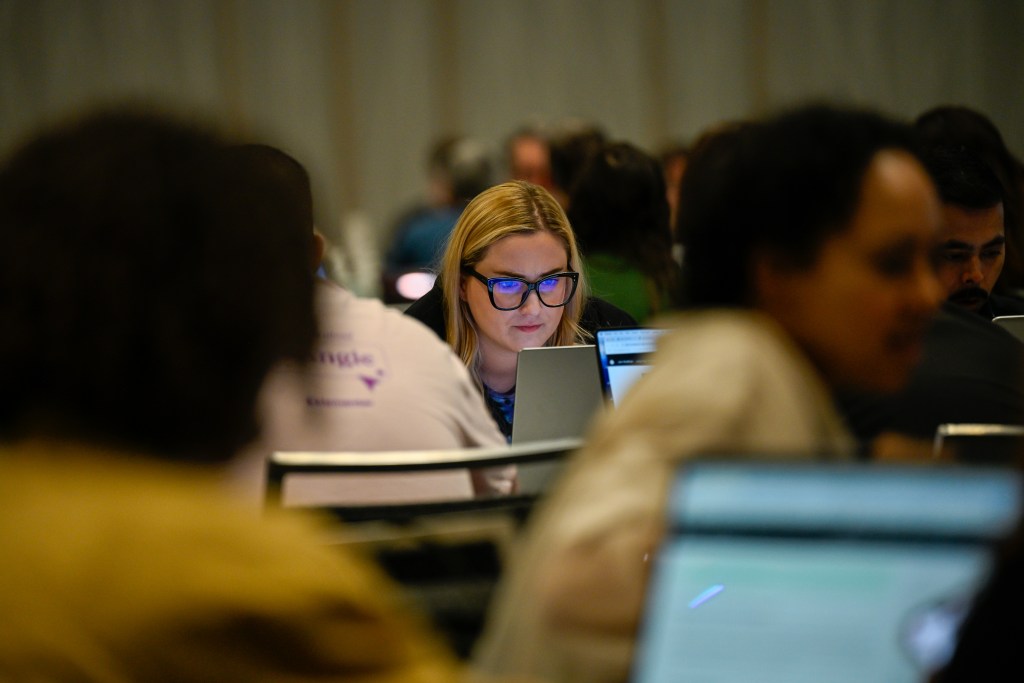
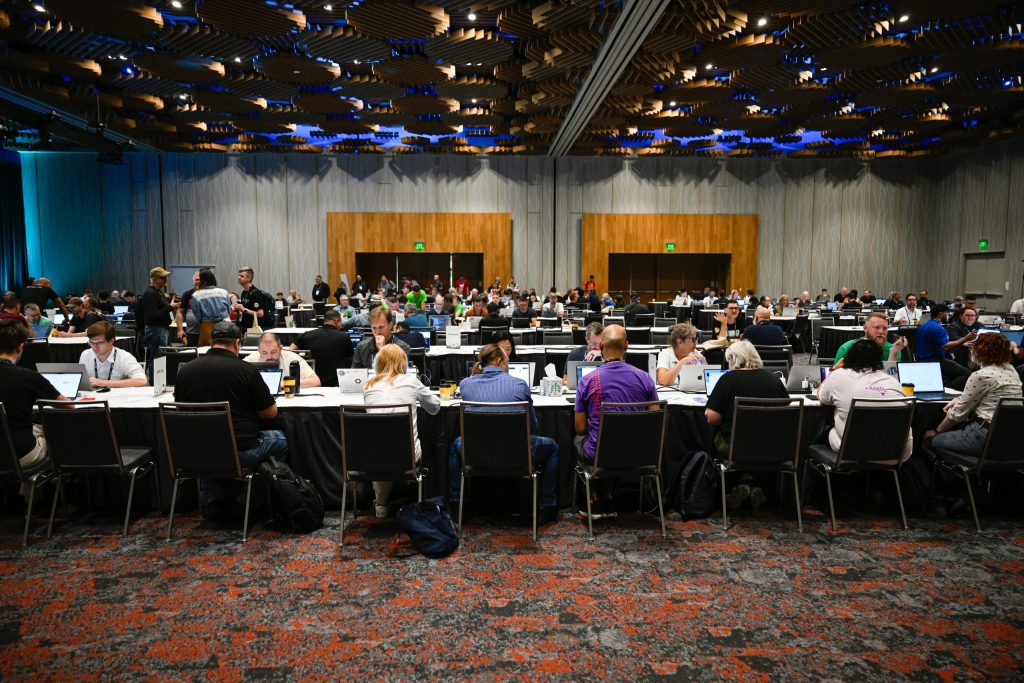
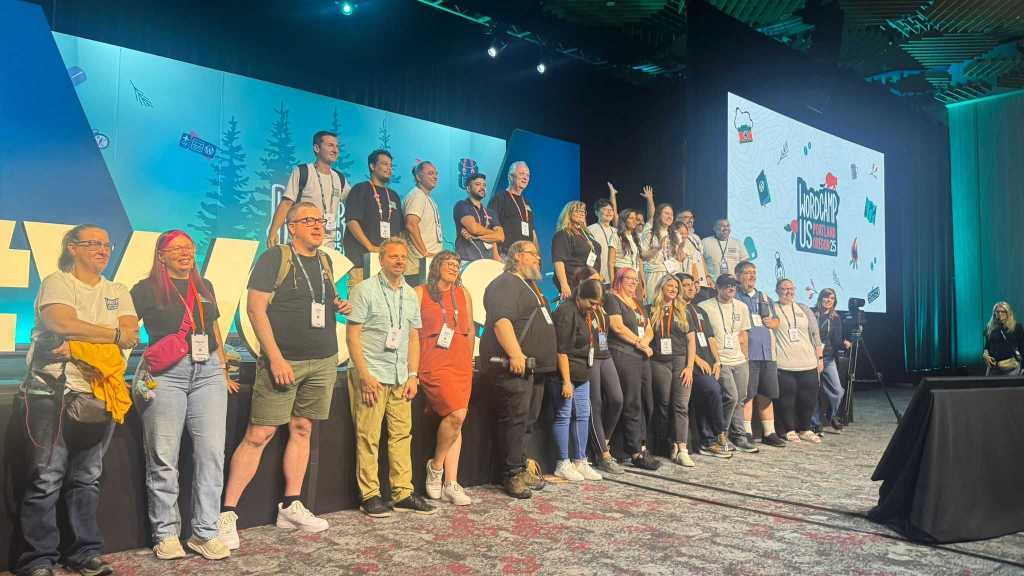
The conference opened on Tuesday, August 26, with a vibrant Contributor Day. Nearly 300 contributors filled the space, including more than 120 first-time participants who were onboarded across 19 teams. Developers, designers, translators, marketers, and community organizers worked side by side, representing WordPress expertise.
Throughout the day, contributors tackled everything from improving accessibility and performance to refining documentation to enhancing translation tools. Beyond technical contributions, teams like Marketing and Community focused on outreach, mentoring, and shaping future-facing initiatives. Remote participants joined via dedicated channels, reinforcing the inclusive nature of WordPress’s global community. By day’s end, the collective energy was clear: WordPress continues to be built by and for everyone.


The mix of experience in the room made this year especially notable. First-time contributors were paired with seasoned table leads who guided them through their first steps into open source contribution. Longtime contributors reconnected with their teams and advanced ongoing initiatives, while new voices added fresh perspectives and momentum. The spirit of mentorship was woven throughout, ensuring that Contributor Day was productive and welcoming.
The results spoke for themselves:
- Polyglots translated more than 12,000 strings, expanding WordPress’s accessibility worldwide.
- The Community team celebrated the approval of two brand-new local meetups.
- The Training team achieved its objective of updating outdated course thumbnails.
- The Core team worked through a live bug scrub, with 9 committers and 16 contributors collaborating on improvements.
- The Documentation team completed numerous content updates to keep resources fresh and reliable.
Momentum carried through every table, with participants reporting measurable progress and a renewed sense of shared purpose. Contributor Day once again highlighted the unique power of collaboration in shaping the open web, proving that every contribution matters through code, translations, training, or community building.
Showcase Day: WordPress in Action
Wednesday, August 27, was the popular Showcase Day, spotlighting real-world innovation in WordPress. Initially expected to draw about 250 participants, Showcase Day welcomed more than 800 attendees — a powerful sign of how much energy and curiosity the community brought to Portland. The sessions demonstrated how WordPress powers meaningful work across industries from nonprofits to newsrooms, agencies to global enterprises, while staying true to open source values.
The day opened with a keynote by Amy Sample Ward: The Tech That Comes Next. Drawing from their co-authored book with Afua Bruce, Amy highlighted the inequities embedded in today’s technologies — from dataset bias to accessibility gaps — and challenged attendees to rethink how tools are funded, built, and deployed. Their talk invited technologists, funders, and community leaders to imagine a more equitable digital future, rooted in collaboration and shared responsibility.
From there, Joeleen Kennedy of Human Made shared how Full Site Editing (FSE) shapes the refresh of Wikimedia’s ongoing user experience. Her session Modernizing at Scale detailed how FSE is simplifying workflows, improving accessibility, and making the multilingual platform more sustainable for the long term. Attendees gained a behind-the-scenes look at how one of the world’s largest open knowledge platforms is leveraging WordPress innovation.
Josh Bryant took the stage to explore what happens when Gutenberg leaves the WP-Admin dashboard. His talk, Reimagining WordPress Editing, walked through embedding the block editor into a standalone React application to support Dow Jones’s newsroom workflows. From decoupling Gutenberg to managing custom data stores, the session showcased advanced techniques for scaling editorial tools while maintaining the flexibility of the WordPress ecosystem.
Hands-on learning was a hallmark of Showcase Day, with Jamie Marsland’s workshop leading participants through building and launching their own professional portfolio sites — no coding required. Attendees left with a fully functioning site, demonstrating WordPress’s continued ability to empower anyone, anywhere, to publish online.
In the afternoon, Jeffrey Paul’s session Scalable, Ethical AI addressed one of the most pressing topics in today’s digital world: how to integrate AI without sacrificing ownership, privacy, or open standards. Walking participants through practical use cases with ClassifAI and local LLMs, Paul emphasized how WordPress can help content creators harness AI while maintaining autonomy over their data.
The day closed with a forward-looking community highlight: WordPress Campus Connect. Panelists Destiny Kanno, Andrés Parra, Javier Montes de Blas, Mauricio Barrantes, and Elineth Morera Campos shared how this initiative brings WordPress into classrooms and universities worldwide. Student Andrés Parra received a scholarship to attend WordCamp. During the panel, Elineth also announced that Fidélitas University will begin offering its students a WordPress Credits program starting in October 2025, making it a mandatory addition sometime in 2026, enabling them to contribute directly to WordPress as part of their studies.
By connecting students and educators with the open web, Campus Connect is building the next generation of contributors and innovators, ensuring that WordPress remains both a learning tool and a pathway to opportunity.
Taken together, Showcase Day affirmed that WordPress is more than just a CMS — it is a platform for equitable technology, global collaboration, cutting-edge enterprise solutions, and the future of digital education. WordPress has the power to be both a platform and a community tool for education, equity, and innovation.
Presentation Days: Learning, Inspiration, and Connection
The first full day of sessions at WordCamp US 2025 opened with warm remarks from the organizing team, who reminded attendees: “The most important thanks goes to all of you. The mix of new energy and veteran experience is what makes WordCamp so special, so thank you for being here.” That spirit of gratitude and community carried throughout the event.
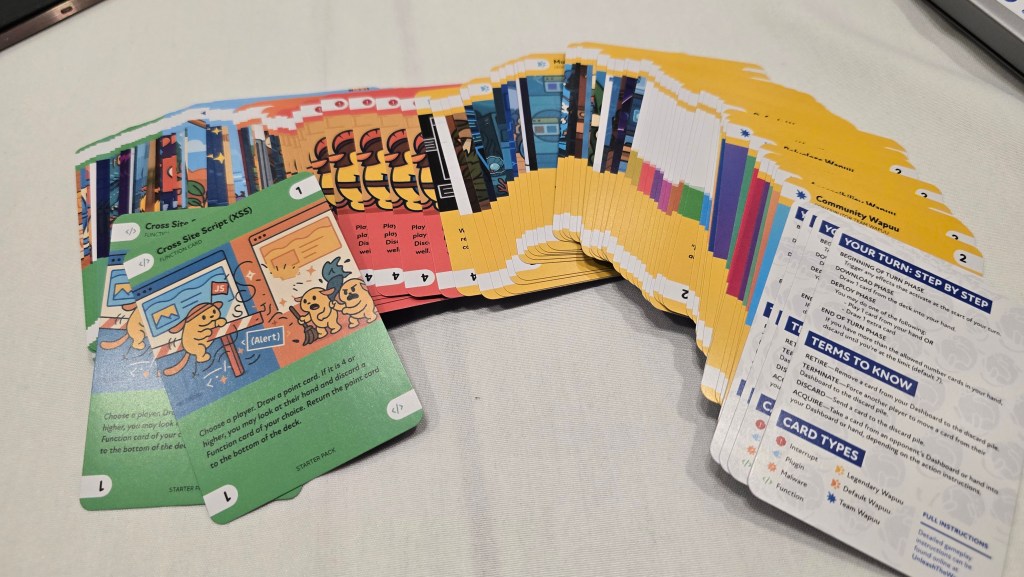
The Sponsor Hall became a hub of activity, complete with raffles, the return of Career Corner, and even a Voodoo Donut Truck parked outside. Attendees lined up to test their luck at a claw machine stuffed with plush Wapuus, while others sought guidance at the Happiness Bar — a hands-on help desk for WordPress questions big and small. Between these activities, the steady buzz of conversations made it clear: the “hallway track” remained one of WordCamp’s most valuable experiences.
The program itself set a high bar. Danny Sullivan’s keynote shed light on how search has evolved to meet the needs of new generations, from 24/7 demand and mobile expectations to short-form video and AI. His session gave attendees a deeper understanding of how search intersects with publishing today and sparked conversations about how WordPress can continue adapting in an era where AI shapes discovery and content.
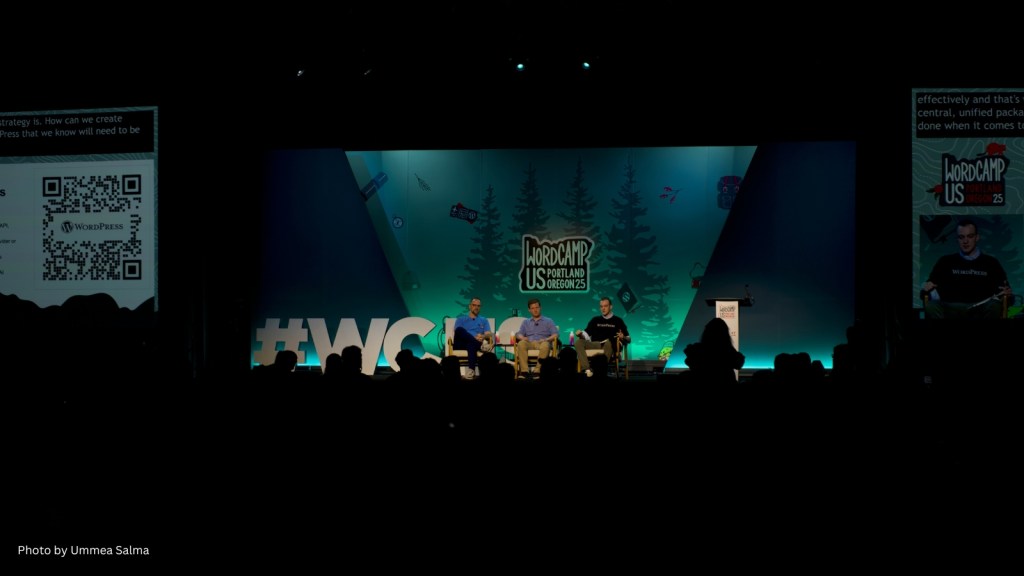
From there, the schedule unfolded across multiple tracks. The Core AI panel — featuring James LePage, Felix Arntz, and Jeffrey Paul — offered a look into how AI tools are woven into WordPress core. Emphasizing ethics, transparency, and user empowerment, the panel painted a roadmap for how WordPress can adopt new technologies without compromising its open-source values.

Hands-on learning played a significant role throughout the conference. Ryan Welcher’s interactive Block Developer Cookbook drew a packed room as participants worked through community-selected code recipes built on the latest WordPress APIs. By the end, attendees left with working examples and practical strategies they could bring back to their projects.
The program also highlighted diverse technical perspectives. Jemima Abu’s session, A PHP Developer’s Guide to ReactJS, bridged the gap between classic and modern web development. At the same time, Adam Gazzaley’s keynote, A New Era of Experiential Medicine – AI and the Brain, invited attendees to consider the human side of technology, exploring how digital tools can advance health and well-being.
The second day of presentations, Friday, August 29, opened with creativity and imagination. John Maeda’s keynote, Cozy AI Cooking: WordCamp Edition, used the metaphor of a kitchen to demystify AI, blending storytelling with technical insight to show how curiosity and care can guide builders in integrating AI into their work.
Later in the day, Tammie Lister’s The System is the Strategy illustrated how design systems provide structure and scalability for growing WordPress projects. At the same time, Adam Silverstein’s Unlock Developer Superpowers with AI showcased new ways developers can use emerging tools to speed up workflows and problem-solving.
Community stories also took center stage. In Creators around a Campfire, Anne McCarthy, Jamie Marsland, Christian Taylor, Mark Szymanski, and Michael Cunningham reflected on how YouTubers and content creators shape the WordPress ecosystem. Their session highlighted the role of storytelling and education in expanding WordPress’s reach to new audiences worldwide.
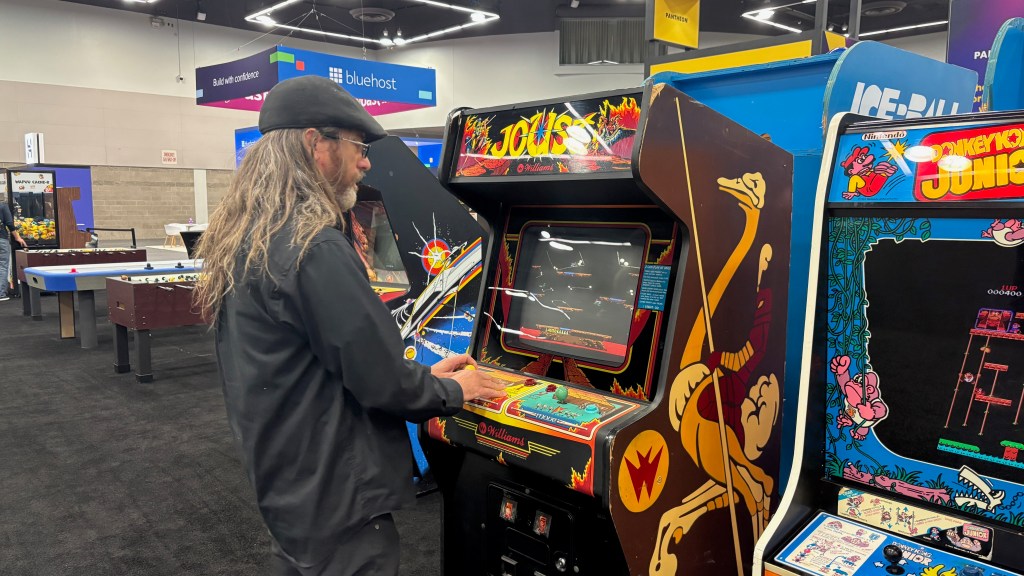
The Sponsor Hall remained lively between sessions — with attendees meeting companies, testing demos, and swapping ideas that extended far beyond the conference halls. They also shared moments together at the arcade built for the event and added smiles, hugs, and laughter, which underscored the atmosphere: WordCamp US was as much about connection as code.
Together Into the Future
As the event drew to a close, WordPress Cofounder Matt Mullenweg took the stage to share the current state of WordPress and a vision for its future. He highlighted the growth in social media for WordPress with 124,726 new followers since last WCUS — and the WordPress.org website growing over 10% in users along with almost 20% in new users.
Matt also spotlighted community initiatives shaping the future of open source education and diversity: WordPress Campus Connect, which has already reached 570 students across 11 events. Combined with the growth in overall events (77) which is a 32.76% increase over 2024. Each effort reinforced the message that WordPress is more than software; it is a global movement driven by people.
He concluded with a live Q&A, fielding questions from the audience on the direction of WordPress, its role in an AI-driven web, and the importance of keeping the project open, inclusive, and adaptable. The final notes of the keynote carried into a closing party in downtown Portland, where attendees capped off the week with music, conversation, and the unmistakable joy of a community coming together.
Closing
WordCamp US 2025 once again demonstrated what makes the WordPress ecosystem extraordinary: a community committed to building tools, resources, and opportunities that empower people everywhere.
This year also marked the debut of the Open Horizons Scholarship, which funded six recipients — two organizers, three volunteers, and one speaker — from five countries. A total of $14,670 supported their journeys to WCUS. The scholarship, which also supports participation at WordCamp Asia and WordCamp Europe, is designed to make flagship events more accessible to contributors worldwide.
A heartfelt thank you goes to the organizers, volunteers, sponsors, and speakers who brought the Portland edition to life — and to every attendee who joined us in person or followed along online. We hope you leave with fresh ideas, meaningful connections, and renewed energy to help shape the future of the open web.
 Gale Wallace
 Topher DeRosia
 Topher DeRosia
 Gale Wallace
 Gale Wallace

 Topher DeRosia

 Topher DeRosia

Be sure to mark your calendars for the next global gatherings: WordCamp Asia 2026 in Mumbai, India, WordCamp Europe 2026 in Kraków, Poland, and WordCamp US 2026 in Phoenix, Arizona. We can’t wait to see you at the next chapter of the WordPress story.


#82 WordPress 6.9 Release Candidate 3
The third Release Candidate (“RC3”) for WordPress 6.9 is ready for download and testing!
This version of the WordPress software is under development. Please do not install, run, or test this version of WordPress on production or mission-critical websites. Instead, it’s recommended that you evaluate RC3 on a test server and site.
Reaching this phase of the release cycle is an important milestone. While release candidates are considered ready for release, testing remains crucial to ensure that everything in WordPress 6.9 is the highest quality possible.
You can test WordPress 6.9 RC3 in four ways:
| Plugin | Install and activate the WordPress Beta Tester plugin on a WordPress install. (Select the “Bleeding edge” channel and “Beta/RC Only” stream.) |
| Direct Download | Download the RC3 version (zip). and install it on a WordPress website. |
| Command Line | Use this WP-CLI command: wp core update --version=6.9-RC3 |
| WordPress Playground | Use the 6.9 WordPress Playground instance to test the software directly in your browser. No setup is required – just click and go! |
The scheduled final release date for WordPress 6.9 is December 2, 2025. The full release schedule can be found here. Your help testing RC versions is vital to making this release as stable and powerful as possible.
Please continue checking the Make WordPress Core blog for 6.9-related posts in the coming weeks for more information.
What’s in WordPress 6.9 RC3?
Want to look deeper into the details and technical notes for this release? Take a look at the WordPress 6.9 Field Guide. For technical information related to issues addressed since RC2, you can browse the following links:
- Gutenberg commits for 6.9 since November 18
- Closed WordPress Core Trac tickets since November 18
How you can contribute
WordPress is open source software made possible by a passionate community of people collaborating on and contributing to its development. The resources below outline various ways you can get involved with the world’s most popular open source web platform, regardless of your technical expertise.
Get involved in testing
Testing for issues is crucial to the development of any software. It’s also a meaningful way for anyone to contribute.
Your help testing the WordPress 6.9 RC3 prerelease is key to ensuring that the final release is the best it can be. While testing the upgrade process is essential, trying out new features is equally important. This detailed guide will walk you through testing features in WordPress 6.9. For those new to testing, follow this general testing guide for more details on getting set up.
If you encounter an issue, please report it to the Alpha/Beta/RC area of the support forums or directly to WordPress Trac if you are comfortable writing a reproducible bug report. You can also check your issue against a list of known bugs.
Curious about testing releases in general? Follow along with the testing initiatives in Make Core and join the #core-test channel on Making WordPress Slack..
Update your theme or plugin
For plugin and theme authors, your products play an integral role in extending the functionality and value of WordPress for all users.
Thanks for continuing to test your themes and plugins with the WordPress 6.9 prereleases. If you haven’t yet, please conclude your testing and update the “Tested up to” version in your theme and plugin readme files to 6.9.
If you find compatibility issues, please post detailed information in the support forum.
Test on your hosting platforms
Web hosts provide vital infrastructure for supporting WordPress and its users. Testing on hosting systems helps inform the development process while ensuring that WordPress and hosting platforms are fully compatible, free of errors, optimized for the best possible user experience, and that updates roll out to customer sites without issue.
Want to test WordPress on your hosting system? Get started with configuring distributed hosting tests here.
Help translate WordPress
Do you speak a language other than English? ¿Español? Français? Русский? 日本語? हिन्दी? বাংলা? मराठी? ಕನ್ನಡ? You can help translate WordPress into more than 100 languages.
An RC3 haiku
Some folks make money,
some folks make time to travel,
and we Make WordPress.
Props to @akshayar, @davidbaumwald, @westonruter, @ellatrix, @mobarak and @tacoverdo for proofreading and review.
#84 WordPress 6.8.3 Release
WordPress 6.8.3 is now available!
This is a security release that features two fixes.
Because this is a security release, it is recommended that you update your sites immediately.
You can download WordPress 6.8.3 from WordPress.org, or visit your WordPress Dashboard, click “Updates”, and then click “Update Now”. If you have sites that support automatic background updates, the update process will begin automatically.
The next major release will be version 6.9, which is planned for December 2nd, 2025.
For more information on WordPress 6.8.3, please visit the version page on the HelpHub site.
Security updates included in this release
The security team would like to thank the following people for responsibly reporting vulnerabilities, and allowing them to be fixed in this release:
- A data exposure issue where authenticated users could access some restricted content. Independently reported by Mike Nelson, Abu Hurayra, Timothy Jacobs, and Peter Wilson.
- A cross-site scripting (XSS) vulnerability requiring an authenticated user role that affects the nav menus. Reported by Phill Savage.
As a courtesy, these fixes have also been made available to all branches eligible to receive security fixes (currently through 4.7). As a reminder, only the most recent version of WordPress is actively supported.
Thank you to these WordPress contributors
This release was led by John Blackbourn.
In addition to the security researchers and release squad members mentioned above, WordPress 6.8.3 would not have been possible without the contributions of the following people:
Aaron Jorbin, Abu Hurayra, Adam Zieliński, Alex Concha, Andrei Draganescu, David Baumwald, Ehtisham Siddiqui, Ian Dunn, Jake Spurlock, Jb Audras, Joe Hoyle, John Blackbourn, Jon Surrell, Jonathan Desrosiers, Michael Nelson, Peter Wilson, Phill, Robert Anderson, Ryan McCue, Scott Reilly, Timothy Jacobs, vortfu, Weston Ruter
How to contribute
To get involved in WordPress core development, head over to Trac, pick a ticket, and join the conversation in the #core Slack channel. Need help? Check out the Core Contributor Handbook.
Props to Ehtisham Siddiqui, John Blackbourn, Paul Kevan, Jonathan Desrosiers, Aaron Jorbin, Weston Ruter for reviewing.



Comments
4 comments