#1095 UK campaigner targeted by Trump accuses tech giants of ‘sociopathic greed’
Exclusive: Imran Ahmed says US companies are ‘corrupting the system’ of politics by seeking to avoid accountability
A British anti-disinformation campaigner told by the Trump administration that he faces possible removal from the US has said he is being targeted by arrogant and “sociopathic” tech companies for trying to hold them to account.
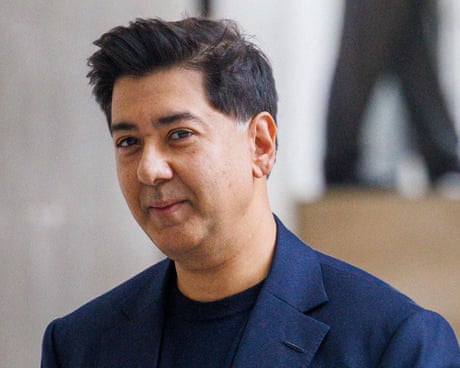
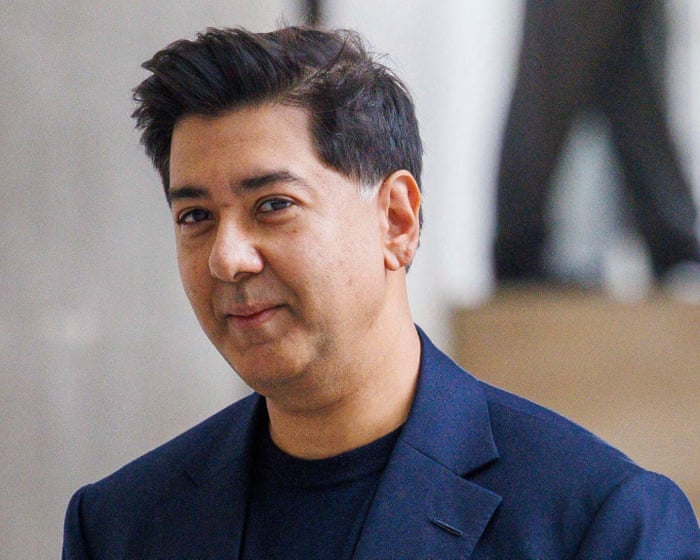
Imran Ahmed, the chief executive of the Center for Countering Digital Hate (CCDH), is among five European nationals barred from the US by the state department after being accused of seeking to push tech firms to censor or suppress American viewpoints.
Continue reading...
Related Posts
#2890 ** "Navigating Politics: How Arfi Foundation Advocates for Social Change"
**
At Arfi Foundation, we believe that politics plays a vital role in shaping the lives of individuals and communities around the world. As a non-profit organization dedicated to promoting social justice and equality, we recognize the importance of engaging with the political process to create positive change. In this blog post, we'll explore the complex relationship between politics and social impact, and how Arfi Foundation works to make a difference in this area.
**The Intersection of Politics and Social Change**
Politics is often seen as a dirty word, associated with partisanship and gridlock. However, at its core, politics is about power and decision-making, and it has a profound impact on the lives of individuals and communities. From access to education and healthcare to economic opportunity and environmental protection, the decisions made by politicians and policymakers can have far-reaching consequences. As a result, it's essential for organizations like Arfi Foundation to engage with the political process and advocate for policies that promote social justice and equality.
**How Arfi Foundation Works in Politics**
At Arfi Foundation, we take a multi-faceted approach to politics, engaging with policymakers, community leaders, and stakeholders to promote our mission and values. Here are some ways we work in politics:
1. **Advocacy**: We work closely with policymakers to advocate for policies that align with our mission and values. This includes meeting with elected officials, testifying at hearings, and submitting written comments on proposed legislation.
2. **Community Engagement**: We engage with community leaders and stakeholders to understand their concerns and priorities, and to build support for our advocacy efforts.
3. **Education and Awareness**: We educate the public about the importance of politics and the impact of policy decisions on their lives. This includes hosting events, creating educational materials, and sharing our expertise with other organizations.
4. **Collaboration**: We partner with other organizations and stakeholders to amplify our impact and build a stronger movement for social change.
**Practical Information and Insights**
If you're interested in engaging with politics and advocating for social change, here are some practical tips and insights:
1. **Get informed**: Stay up-to-date on current events, policy debates, and electoral processes.
2. **Build relationships**: Establish relationships with policymakers, community leaders, and stakeholders to build trust and credibility.
3. **Focus on issues, not personalities**: Prioritize policy issues over individual politicians or parties.
4. **Engage in respectful dialogue**: Listen to opposing views and engage in respectful dialogue to build bridges and find common ground.
5. **Support organizations like Arfi Foundation**: Consider supporting organizations like Arfi Foundation, which work tirelessly to promote social justice and equality.
**Conclusion**
Politics is not a dirty word; it's a powerful tool for creating positive change. At Arfi Foundation, we recognize the importance of engaging with the political process to promote social justice and equality. By working with policymakers, community leaders, and stakeholders, we can build a stronger movement for social change and create a more just and equitable world for all. Join us in this effort, and together, let's navigate the complexities of politics to create a brighter future for all.
**EXCERPT:**
At Arfi Foundation, we believe that politics plays a vital role in shaping the lives of individuals and communities around the world. By engaging with policymakers, community leaders, and stakeholders, we work to promote social justice and equality through advocacy, community engagement, education, and collaboration. Join us in navigating the complexities of politics to create a brighter future for all.


#2541 ** "Politics in Practice: How Arfi Foundation Works to Create Positive Change in the World"
**
As a charitable organization dedicated to creating lasting change in the world, the Arfi Foundation recognizes the crucial role that politics plays in shaping the lives of individuals and communities. In this blog post, we'll delve into the world of politics and explore how Arfi Foundation works to create positive change through its advocacy and activism efforts.
Politics is often seen as a dirty word, associated with petty squabbles and power struggles. However, at its core, politics is about power – who has it, who doesn't, and how it's used. As a non-governmental organization (NGO), the Arfi Foundation understands that politics is an essential part of creating lasting change. By engaging with policymakers, influencing public opinion, and advocating for the rights of marginalized communities, we work to create a more just and equitable world.
So, how does the Arfi Foundation work in the world of politics? Our approach is centered around four key areas: advocacy, activism, education, and coalition-building. Through our advocacy efforts, we work with policymakers to push for legislation and policies that benefit vulnerable populations. We also engage in activism, using our voice to raise awareness about critical issues and mobilize public support. Education is another key component of our approach, as we work to inform and empower communities about the impact of politics on their lives. Finally, we build coalitions with other organizations and stakeholders to amplify our impact and create lasting change.
One of the key ways that the Arfi Foundation engages with politics is through our advocacy efforts. We work closely with policymakers to push for legislation and policies that address the needs of marginalized communities. For example, we've worked with lawmakers to pass legislation protecting the rights of refugees and asylum seekers. We've also advocated for policies that address the root causes of poverty and inequality, such as affordable housing and access to education.
In addition to our advocacy efforts, the Arfi Foundation also engages in activism through our community outreach and engagement programs. We work with local communities to raise awareness about critical issues and mobilize support for policy changes. For example, we've organized rallies and protests to draw attention to issues like climate change and racial justice. We've also partnered with local organizations to provide education and training on topics like civic engagement and community organizing.
Education is another critical component of our approach. We believe that knowledge is power, and that individuals and communities must be informed and empowered to create lasting change. Through our education programs, we provide training and resources on topics like civic engagement, advocacy, and community organizing. We also work with local schools and community groups to develop curricula and programs that promote critical thinking, media literacy, and civic engagement.
Finally, the Arfi Foundation recognizes that creating lasting change requires collaboration and coalition-building. We work with other organizations, stakeholders, and community leaders to amplify our impact and create a more just and equitable world. For example, we've partnered with other NGOs to push for policy changes on issues like women's rights and LGBTQ+ rights. We've also worked with local businesses and community groups to develop programs and initiatives that benefit vulnerable populations.
In conclusion, the Arfi Foundation recognizes the critical role that politics plays in shaping the lives of individuals and communities. Through our advocacy, activism, education, and coalition-building efforts, we work to create positive change and promote a more just and equitable world. Whether it's pushing for legislation, mobilizing public support, or educating and empowering communities, we're committed to using our voice and resources to create lasting change.
**EXCERPT:** "The Arfi Foundation works to create positive change in the world through its advocacy and activism efforts, using a comprehensive approach that includes education, coalition-building, and community outreach. By engaging with policymakers, influencing public opinion, and advocating for the rights of marginalized communities, we're dedicated to creating a more just and equitable world."




#2192 ** "Empowering Communities through Politics: Arfi Foundation's Commitment to Social Change"
**
As an NGO/charity organization dedicated to creating a more just and equitable world, Arfi Foundation recognizes the critical role that politics plays in shaping the lives of marginalized communities. Through our work, we aim to amplify the voices of those who often go unheard, advocate for policies that address pressing social issues, and provide training and resources to empower individuals to engage in the democratic process. In this blog post, we'll delve into the complexities of politics, explore how Arfi Foundation is working to create positive change, and offer practical insights for individuals looking to get involved.
**The Intersection of Politics and Social Justice**
Politics is often seen as a realm of power struggles, partisan debates, and bureaucratic red tape. However, at its core, politics is about people – their needs, desires, and aspirations. As an organization committed to social justice, Arfi Foundation understands that politics is not just about electing leaders or passing laws, but about creating a society that values equality, dignity, and human rights. We believe that every individual has the right to participate in the democratic process, regardless of their background or socioeconomic status.
**Arfi Foundation's Approach to Politics**
At Arfi Foundation, we take a holistic approach to politics, recognizing that social change requires a multifaceted strategy. Here are some key ways we're working to create positive change:
1. **Advocacy**: We work closely with community leaders, activists, and policymakers to advocate for policies that address pressing social issues, such as poverty, education, and healthcare.
2. **Capacity Building**: We provide training and resources to empower individuals to engage in the democratic process, including voter registration drives, civic education programs, and leadership development initiatives.
3. **Research and Analysis**: We conduct research and analysis to identify key issues, assess policy effectiveness, and inform advocacy efforts.
4. **Community Engagement**: We engage with local communities to understand their needs, concerns, and aspirations, and work to build coalitions and partnerships that advance social justice.
**Practical Information and Insights**
For individuals looking to get involved in politics, here are some practical tips and insights:
1. **Stay Informed**: Stay up-to-date on local and national news, and engage in discussions with others to understand different perspectives.
2. **Volunteer**: Get involved with local organizations, campaigns, or initiatives that align with your values and interests.
3. **Build Relationships**: Network with community leaders, activists, and policymakers to build relationships and understand the complexities of politics.
4. **Take Action**: Engage in peaceful protests, sign petitions, and contact your representatives to express your opinions and concerns.
**Conclusion**
At Arfi Foundation, we believe that politics is not just about power struggles or partisan debates, but about creating a society that values equality, dignity, and human rights. Through our work, we aim to empower communities, advocate for policies that address pressing social issues, and provide training and resources to individuals looking to get involved. We invite you to join us in this critical work, and to use your voice to create positive change.
**EXCERPT:** "At Arfi Foundation, we believe that politics is a powerful tool for creating social change. Through our advocacy, capacity building, research, and community engagement work, we're empowering communities to make their voices heard and demanding policies that address pressing social issues."


#1843 ** Empowering Communities Through Politics: The Role of Arfi Foundation
**
Politics is often seen as a dirty word, associated with partisan bickering and special interest groups. However, the reality is that politics is a vital part of any functioning society, and it's an area where nonprofit organizations like Arfi Foundation can make a real difference.
At Arfi Foundation, we recognize that politics is not just about elections and politicians; it's also about the everyday experiences of people living in their communities. That's why we focus on working with local leaders and organizations to promote inclusive decision-making processes and amplify the voices of marginalized groups.
One of the key ways we do this is through our advocacy work. We identify areas where policy changes can make a real difference in people's lives, and we work with local leaders and organizations to push for those changes. This might involve meeting with government officials, organizing public awareness campaigns, or providing training and resources to community leaders.
For example, in one of our recent projects, we worked with a group of local women's organizations to push for policy changes that would address the issue of domestic violence. We helped them develop a comprehensive proposal, which they then presented to their government representatives. The result was a new law that provided greater protections for victims of domestic violence and increased resources for support services.
Another important aspect of our work in politics is our focus on civic engagement. We believe that every individual has a right to participate in the democratic process, and we work to ensure that people from all walks of life have access to the information and resources they need to make their voices heard.
This might involve partnering with local schools to develop civics education programs, or working with community organizations to provide voter registration drives and get-out-the-vote campaigns. We also provide training and resources to community leaders, so they can effectively engage with their elected officials and advocate for the needs of their communities.
One of the most critical areas where we see the impact of our work in politics is in the empowerment of marginalized communities. By providing a platform for these communities to have their voices heard, we're helping to create a more just and equitable society.
For example, in one of our recent projects, we worked with a group of LGBTQ+ individuals who were struggling to access healthcare services in their community. We helped them develop a comprehensive proposal, which they then presented to their government representatives. The result was a new policy that provided greater protections for LGBTQ+ individuals and increased access to healthcare services.
At Arfi Foundation, we believe that politics is a powerful tool for creating positive change in communities worldwide. By working to promote inclusive decision-making processes, amplify the voices of marginalized groups, and empower individuals to participate in the democratic process, we're helping to create a more just and equitable society.
**How You Can Get Involved:**
If you're interested in learning more about our work in politics or getting involved with Arfi Foundation, we invite you to explore our website and social media channels. You can also contact us directly to learn more about our advocacy and civic engagement programs.
Together, we can make a real difference in the world of politics and create a more just and equitable society for all.
**Resources:**
* [Link to Arfi Foundation's advocacy program]
* [Link to Arfi Foundation's civic engagement program]
* [Link to Arfi Foundation's latest project report]
At Arfi Foundation, we're committed to making a positive impact in the world of politics. By working together, we can create a more just and equitable society for all.



#1490 ** "Navigating the Complex World of Politics: How Arfi Foundation Advocates for Social Change"
**
As an NGO dedicated to promoting social justice and human rights, Arfi Foundation has always recognized the crucial role that politics plays in shaping the lives of individuals and communities. From access to education and healthcare to economic opportunities and social protection, the policies and decisions made by governments have a profound impact on the lives of the people we serve.
At Arfi Foundation, we understand that politics is not just about elections and politicians, but also about the everyday struggles and triumphs of individuals and communities. Our work is guided by a deep commitment to social justice and human rights, and we believe that politics should be a powerful tool for creating positive change.
So, how do we navigate the complex world of politics? Here are some key ways in which Arfi Foundation advocates for social change:
1. **Building Partnerships**: We believe that collaboration is key to creating lasting change. We work closely with governments, civil society organizations, and community groups to identify areas of common interest and develop strategies for collective action.
2. **Advocacy and Lobbying**: We use a range of advocacy and lobbying techniques to influence policy decisions and push for reforms that benefit the communities we serve. From drafting policy briefs and position papers to mobilizing public support and engaging in direct dialogue with policymakers, we leave no stone unturned in our pursuit of social justice.
3. **Community Engagement**: We believe that the communities we serve are the best experts on their own needs and aspirations. We engage in regular consultations and dialogue with community members to understand their concerns and priorities, and to develop programs and policies that reflect their needs.
4. **Capacity Building**: We recognize that effective advocacy and policy change require strong institutions and capacities. We provide training and capacity building programs for civil society organizations, community groups, and government agencies to help them develop the skills and knowledge they need to drive positive change.
5. **Research and Analysis**: We invest heavily in research and analysis to understand the root causes of social injustices and to identify effective solutions. Our research informs our advocacy and policy work, and helps us to develop targeted programs and interventions that address the specific needs of the communities we serve.
At Arfi Foundation, we believe that politics is a powerful force for creating positive social change. By building partnerships, advocating for policy reforms, engaging with communities, building capacities, and conducting research and analysis, we are working tirelessly to create a more just and equitable world.
**Practical Insights:**
If you're interested in learning more about how Arfi Foundation navigates the complex world of politics, here are some practical insights to get you started:
* **Stay informed**: Stay up-to-date with the latest news and developments in the areas that matter most to you.
* **Build relationships**: Build relationships with policymakers, civil society organizations, and community groups to identify areas of common interest and develop strategies for collective action.
* **Develop your skills**: Invest in your own capacity building and skills development to become a more effective advocate and change-maker.
* **Engage in dialogue**: Engage in regular dialogue with policymakers, community members, and other stakeholders to understand their concerns and priorities, and to develop programs and policies that reflect their needs.
**Conclusion:**
At Arfi Foundation, we believe that politics is a powerful force for creating positive social change. By navigating the complex world of politics in a thoughtful and strategic way, we are working tirelessly to create a more just and equitable world. Whether you're a policymaker, a civil society organization, or a community member, we invite you to join us on this journey towards social justice and human rights. Together, we can create a brighter future for all.



#1044 What People Are Getting Wrong This Week: The Origin of Christmas Elves
Because it’s Christmas time, I’ve been digging into myths and misconceptions we have about the holiday: Yuletide misinformation is rampant, and I’m setting the record straight. Last week I dug into who Santa Claus really is, with side quests about St. Nicholas bringing children back from the dead and the religious war between Santa and Kris Kringle. One thing I didn't talk about? His elves.
Christmas elves feel like they’ve been around forever, and people have strangely consistent ideas of what they’re all about—they’re small, they wear green, they make toys out of some innate magical compulsion, they love shelves— but that variety of elf is a recent invention; “real” elves were often anything but jolly little pieceworkers. The elves' thousand-year transition from supernatural nightmare creatures to friendly factory workers is a cultural Rorschach test revealing Western culture's changing attitudes about work, wealth, and what it means to be a "useful" member of society.
The dark elves of the past
To understand how we arrived at our current vision of elves, you have to rewind past Will Ferrell vehicles, Christmas specials, and Victorian holiday frippery to the colder heart of Western culture—the old, weird world that was haunted by supernatural forces, and elves weren’t creatures you’d ever want spying on your children.
The early origin of elves can’t be pinned down exactly because the idea of elves predates the written word. Magical, man-like races were mentioned in mythology and oral traditions in cultures all over the world; but elves, specifically, were common in Norse and Germanic folklore. This variety of elf was (usually) more like Legolas than Hermey from Rudolph the Red Nosed Reindeer—human-sized and magical, although sometimes mischievous.
Elves in Anglo-Saxon England, though, were jerks. Old English medical texts attributed various diseases to elves. If you felt a sharp, unexplained pain, it was probably the result of an “elfshot”—an elf firing an invisible arrow at you. Elves were also associated with witchcraft, nightmares, and mental disorders.
Various elven misdeeds
Elves did all kinds of bad things. Kind of, anyway: The names and deeds of elves, fairies, hobs and other creatures were basically interchangeable and regional, so it's hard to ascribe anything specifically to elves (it could have been a nixie or brownie, after all).
In the Middle Ages, elves/fairies/other small magic folk were known to steal people's babies, replacing them with changelings—sickly imposters left in the human’s place. They could curse your livestock, spoil your milk, or lead travelers astray in the woods. Elves were blamed when infants died suddenly or when children developed unexplained illnesses. The "elf-lock" was a particularly nasty bit of mischief where elves would tangle your hair into impossible knots while you slept—the bastards! In other words, these were not the kind of people who would help make toys. They were fundamentally alien—beings that operated by rules humans couldn't understand and definitely couldn't trust—and they weren't for fun or for kids. They were deadly serious and considered very real.
The rise of transitional helper-elves
So how did we get from disease-causing, child-stealing nightmare creatures to Santa’s personal toy-making proletariat? By the medieval and early modern period in Britain, there is widespread belief in what I call “transitional elves.” These were household spirits that came out at night to perform chores while families slept. Useful, for sure, but these elves were mercurial and easily offended. They would leave forever if they felt insulted or taken advantage of. You couldn’t even do something nice for them—if you made them clothes, they might decide to quit forever, shouting, “Gie Brownie a coat, gie Brownie a sark, Ye'se get nae mair o' Brownie's wark."
These “household helper” folk beliefs often cast elves as craftsmen, one step closer to toy-makers. These stories inspired the text that laid the foundation for Christmas Elves: the Brothers Grimm fairytale “The Elves and the Shoemaker.” In that story, a shoemaker is down to his last piece of leather, but he wakes up to find a pair of elf-crafted shoes. He sells them, and continues to get free shoemaking labor until he grows wealthy. Then he makes the fateful mistake of rewarding his unpaid laborers with clothing and shoes of their own. They elves are so impressed with their classy new fits, they leave forever, seemingly because they now regard themselves as too good for a working class life. The moral: Don’t treat your employees very well, lest they think they’re your equal.
How Elves became associated with Christmas
Along with establishing much of Santa’s mythology, Clement Clarke Moore's 1823 poem "A Visit from St. Nicholas" (better known as "The Night Before Christmas") described Santa Claus himself as "a right jolly old elf,” This line laid the foundation for the association of elves with Christmas. An 1857 poem called “The Wonders of Santa Claus” spelled it out clearly. Santa, the poem says, “keeps a great many elves at work,” making “a million of pretty things” like “cakes, sugar-plums, and toys.”
In a reflection of the industrial revolution that was happening far from the North Pole, elves weren't household spirits helping one family, they were a workforce, mass-producing toys in a factory. And in what can be seen as an expression of sentimental Victorian ideas about class, the elves loved working in a sweatshop; it's what they were born to do!
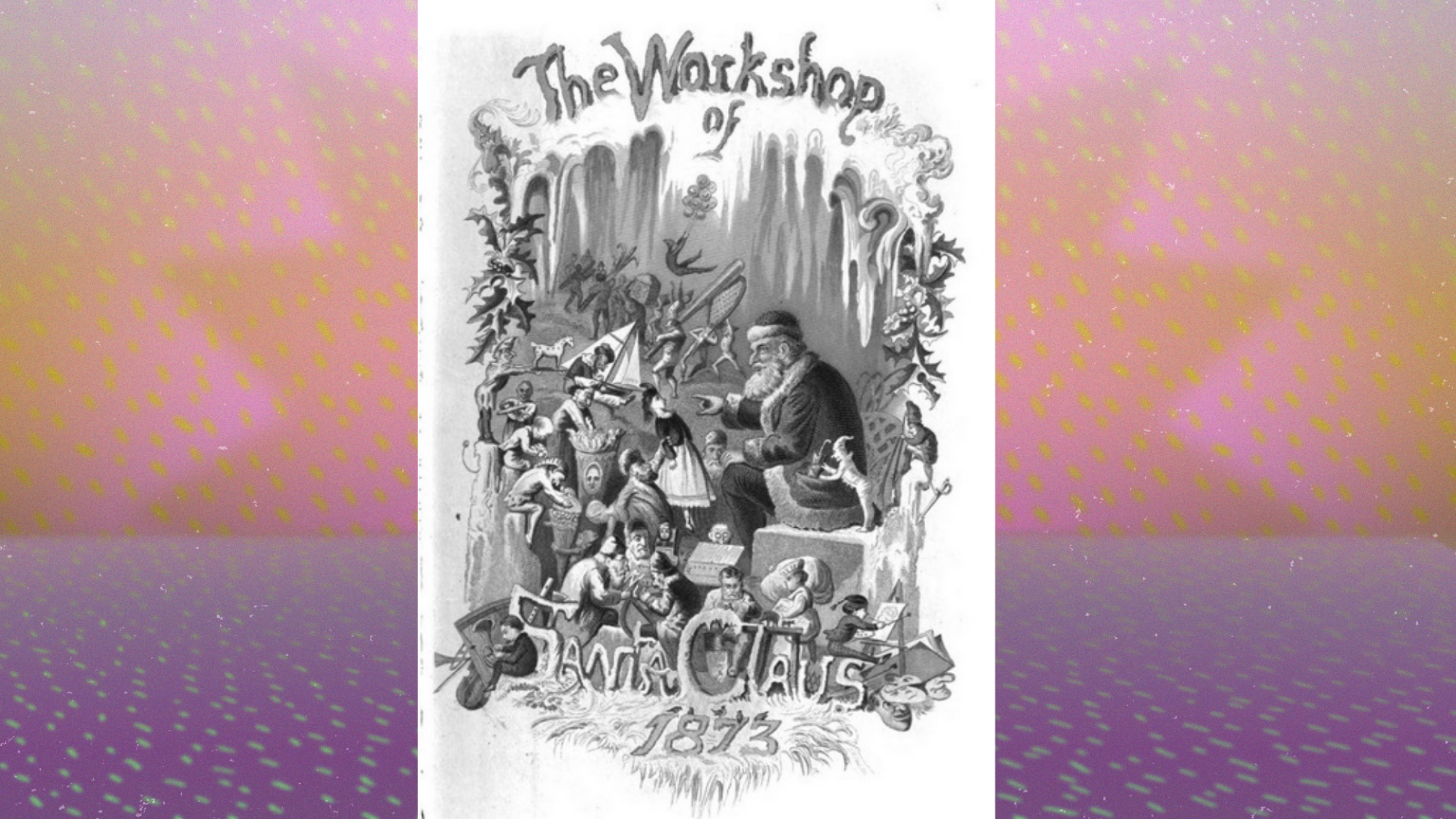
Here’s the first picture of Santa’s Workshop, from Godey's Lady's Book in 1873. At the time, Godey’s had a huge circulation in the United States, and this image cemented the modern idea of Santa’s Workshop.

Modern Christmas elves
The 1964 Rankin/Bass TV special Rudolph the Red-Nosed Reindeer put the finishing touches on Christmas elf lore by presenting a deeper look at how the North Pole workshop operates. Perhaps fueled by growing cultural misgivings about modernization and capitalism, Santa's workshop in Rudolph is rife with vicious interoffice politics, forced conformity, workers whose dreams and ambitions are crushed (He just wanted to be a dentist, Santa!), and a boss man who is woefully out-of-touch with his employees. The only major innovation in Elf-lore since Rudolph is the "Elf on the Shelf," but he's a damn snitch, so we won't talk about him.
The next time you see a green-suited helper in a Christmas movie, remember, that the jolly little toymaker was cobbled together from medieval folklore, German fairy tales, and 19th-century magazine illustrations, and shaped by the rise of industrialization. The modern elf is the domesticated, sanitized, capitalist-approved descendant of supernatural creatures that stole babies, drove people mad, and shot invisible arrows at your ancestors. Merry Christmas!

#1037 DoJ says Jeffrey Epstein letter to Larry Nassar referencing Trump is fake
Justice department says FBI confirmed letter is fake and lists why it was not deemed genuine by authorities
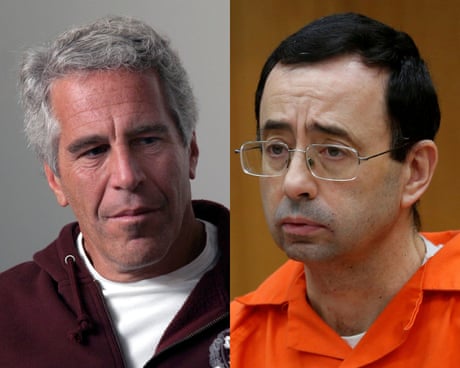
The Department of Justice said on Tuesday afternoon that a disturbing letter released as part of the Epstein files and appearing to be from the late sex offender Jeffrey Epstein to convicted sex abuser and former Olympic gymnastics coach Larry Nassar is a fake.
The contents of the purported letter dated 2019 were released by the DoJ early on Tuesday and had appeared to have been written by Epstein to Nassar and discussed a love of “young ladies”.
Continue reading...

#974 Tech Life

#892 10 Shows Like 'Boots' You Should Watch Next
We may earn a commission from links on this page.
Who knew that, here in the mid 2020s, a show involving gays in the military (even a relatively pro-army one) would prove its own relevance by drawing a fierce, angry denunciation from the current administration—a response strong enough that it maybe, just maybe, got the show cancelled in spite of high viewership and buzz.
But then again, given the precariousness of the streaming landscape, it's best to treat everything like a miniseries these days. Based on a memoir from Greg Cope White, the Netflix series stars Miles Heizer as Cameron Cope, a closeted gay teen who follows his bestie into the Army in the era before "Don't ask, don't tell," and well before serving in the open was a possibility.
With no second season coming, it might be tough to figure out what to watch next. I have some suggestions—though given that there aren't a ton of "gay kid joins the army" shows out there, I'm focusing on queer coming-of-age stories in general, not strictly ones that are military-themed. (Growing up queer is kinda like a boot camp all its own.)
We Are Who We Are (2020)
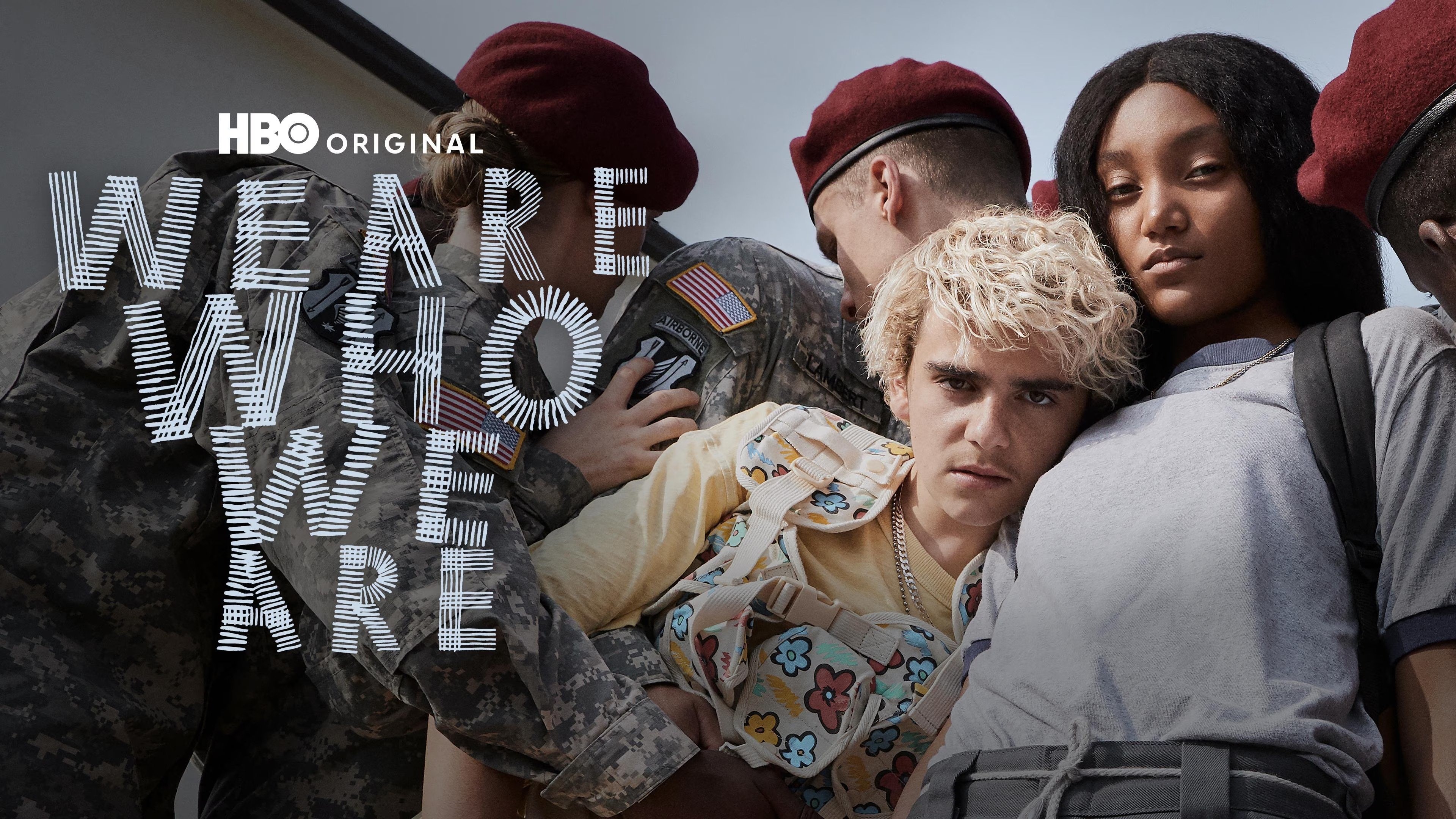
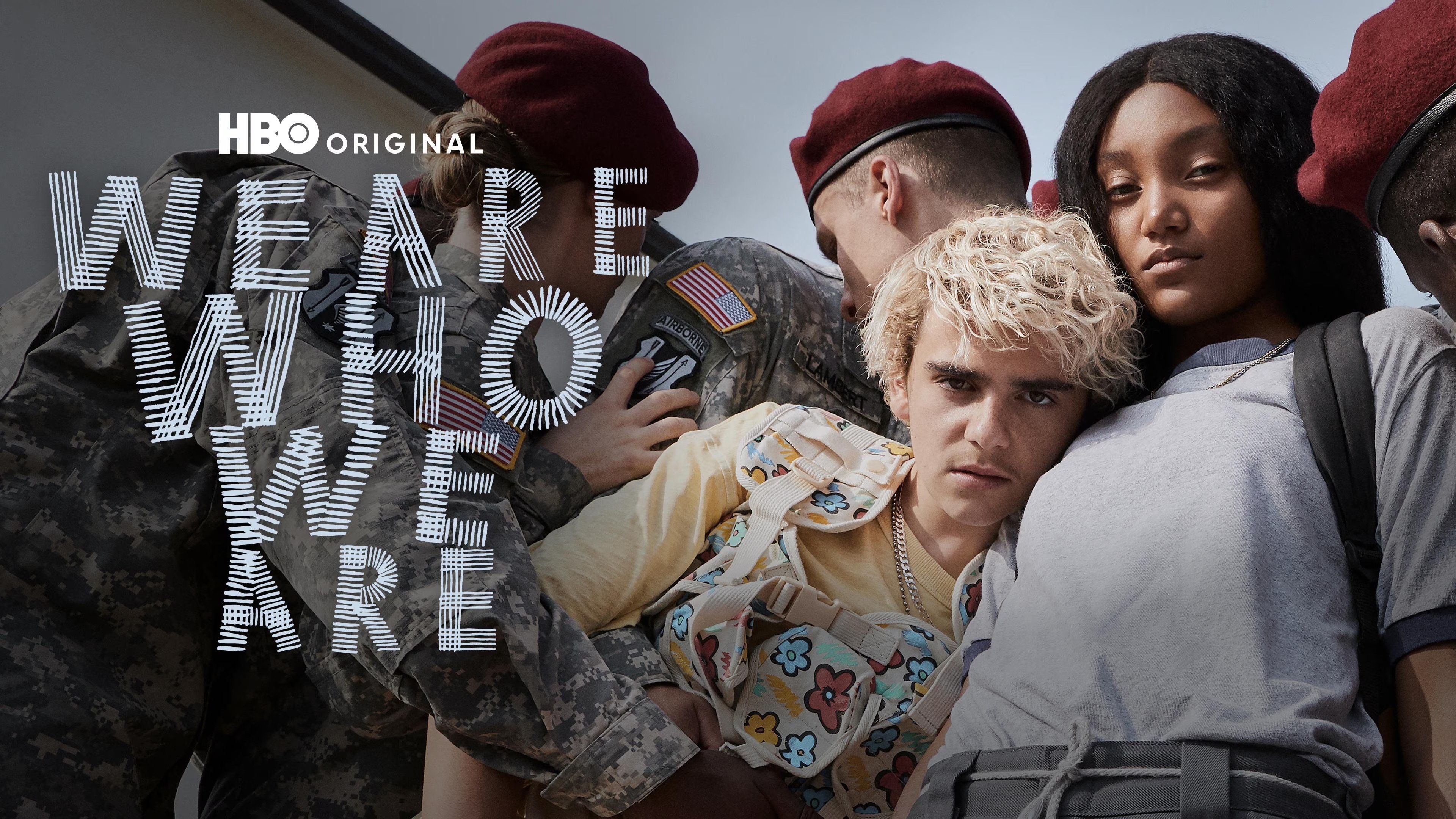
Director Luca Guadagnino (Challengers, Queer) created this series about two American teenagers, Fraser (Jack Dylan Grazer) and Caitlin (Jordan Kristine Seamón), living with their families on a U.S. military base in Chioggia, Italy. Fraser's two moms are both in the army (something that would have been impossible in the 1990 of Boots, and may be again before long), but he's new to base life. Caitlin, on the other hand, has lived in Chioggia for years with her conservative father. Over the course of a summer, the two gradually bond over their mutual feelings of isolation, as well as their explorations of gender and sexuality. Stream We Are Who We Are on HBO Max.

Overcompensating (2025 – )
Comedian Benito Skinner plays himself, sort of, in this buzzy comedy that sees a former high school jock facing his freshman year in college while desperately trying to convince himself and everyone else that he's as straight as they come (relatable, except for the jock part). Much of the appeal is in its deft blending of tones: It's a frequently raunchy college comedy, but it's simultaneously a sweet coming-of-age story about accepting yourself without worrying about what everyone else thinks. The cast includes Adam DiMarco (The White Lotus) and Rish Shah (Ms. Marvel) and, just as impressively, it's a streaming show with queer characters that's actually been renewed. Stream Overcompensating on Prime Video.

Heated Rivalry (2025 – )
Shane Hollander (Hudson Williams) and Ilya Rozanov (Connor Storrie) are professional ice hockey players who compete on rival teams, the Montreal Metros and the Boston Raiders. Even as their public relationship remains contentious over a period of years, the two develop a casual (at least at first) sexual relationship that grows increasingly sweaty, ice notwithstanding. Not to be outdone, this buzzy show also traces the similarly complicated relationship between an American team captain and a smoothie barista. Tonally, its sex-filled fun isn't much of a match for Boots, but it's of the increasingly few shows with gay lead characters to succeed on streaming. Oh, and it's also been renewed for a second season. Stream Heated Rivalry on HBO Max.

Blood & Water (2020 – )
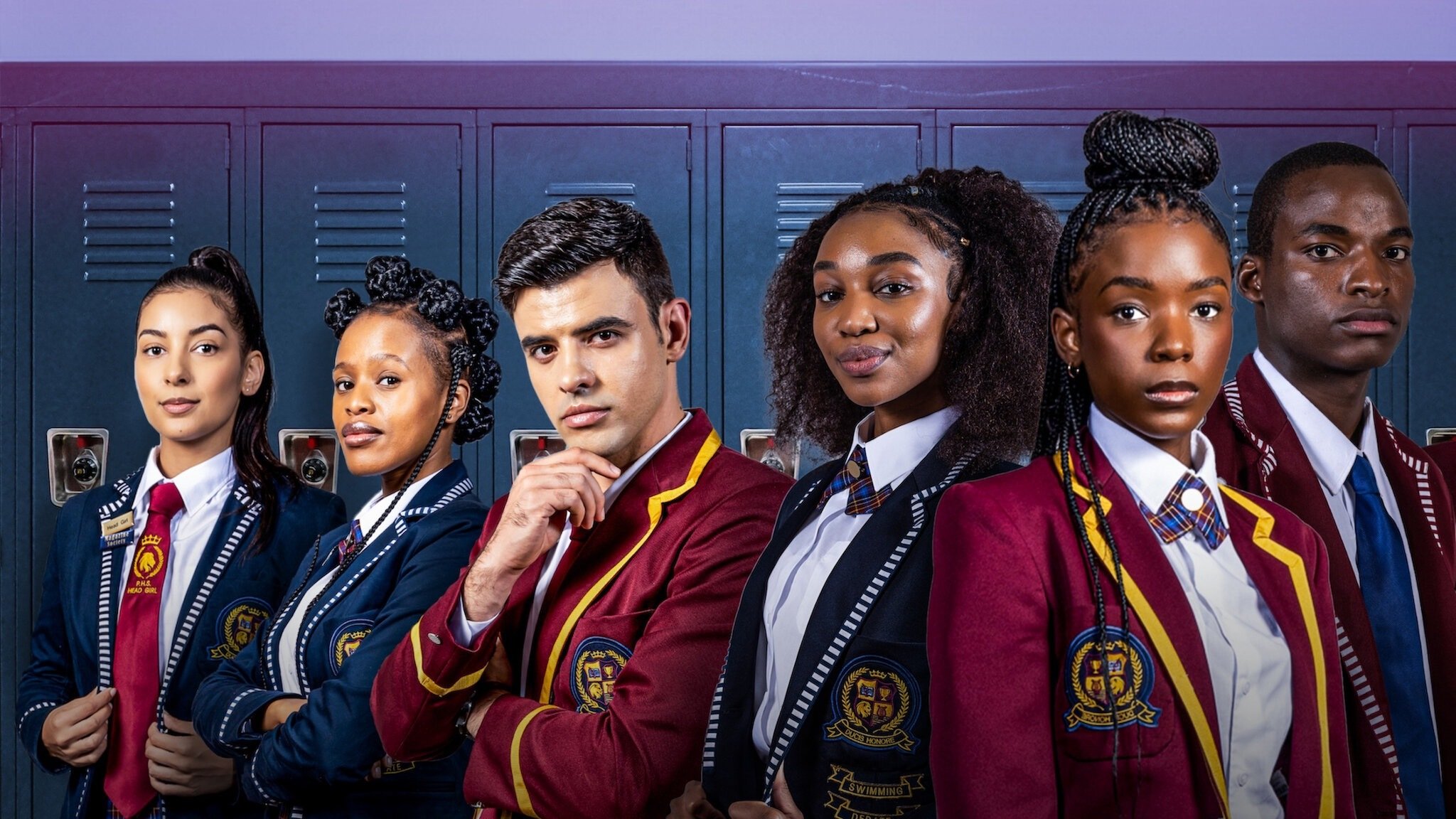
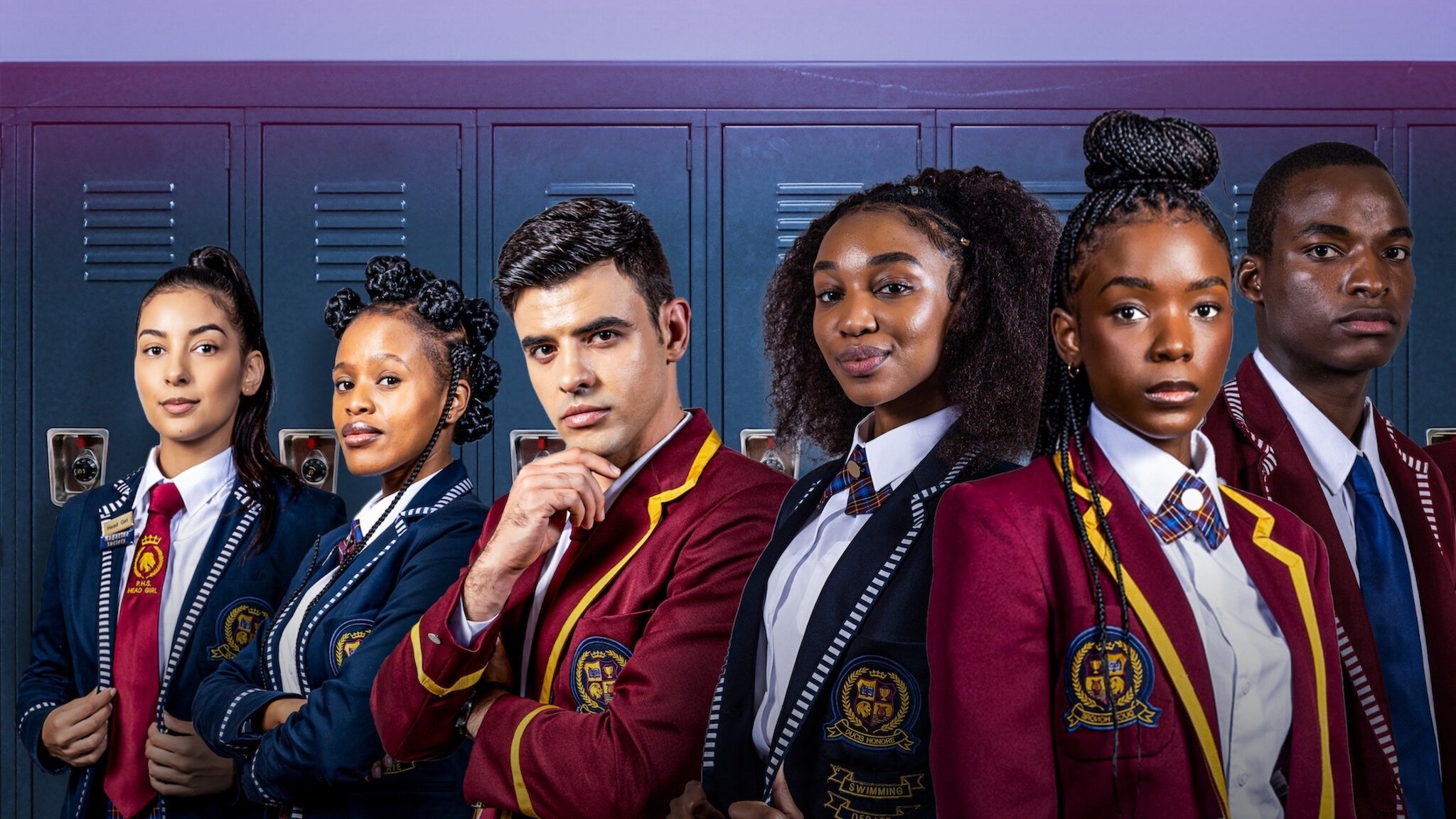
This top-tier teen drama stars Ama Qamata as Puleng Khumalo, a teenage girl who’s lived her entire life in the shadow of a sister that was taken as a baby by human traffickers; Puleng’s parents even hold a birthday celebration for the sister each year. When invited to a party by popular Fikile Bhele (Khosi Ngema), a student at an elite school in Cape Town, Puleng can’t help noticing their similarities. Steeped in the story of her sister, Puleng transfers to the school to get to the bottom of things. There’s plenty of juicy high school drama and family secrets, but the show is elevated by its unexpected dramatic heft and a multitude of queer characters and storylines. Stream Blood & Water on Netflix.

Young Royals (2021 – 2024)
Steamy soap Young Royals follows Wilhelm (Edvin Ryding), the fictional prince of Sweden, as he embarks on a romance with another student, Simon Eriksson (Omar Rudberg), at their elite boarding school (it's not exactly boot camp, but it's all relative). While possessed of all the addictive qualities of the teen drama genre, Young Royals takes itself a bit more seriously than some, and feels remarkably fresh in its commitment to casting age-appropriate actors in all the key roles. Stream Young Royals on Netflix.

Fellow Travelers (2023)
Though it's about middle-aged men (Matt Bomer and Jonathan Bailey) in the 1950s, I'm comfortable calling this one a loose match since, like Boots, it's a period piece set a against a backdrop of era-specific brands of queer existence, beginning amid the McCarthy-inspired Lavender Panic and runs through to the AIDS crisis of the 1980s. Bomer and Bailey generate real sparks (and offer up intense, if not particularly graphic, sex scenes) as they portray decades in the lives of a closeted couple—one a State Department official and the other an idealistic congressional staffer. Stream Fellow Travelers on Paramount+.

Elite (2018 – 2024)
Elite follows a group of working-class friends who wind up with scholarships to Las Encinas, a fictional private school that is, in the show’s universe, the most exclusive in Spain (again, not exactly boot camp, but here we are). What they find there is snobbery, for sure, but also mystery, murder, and lots and lots of sex (among character of various sexual orientations and numerical groupings). The smart but wonderfully trashy show ran for an impressive eight seasons, with Indian and South African variations (Class and Blood & Water, mentioned above) also streaming. Stream Elite on Netflix.

Heartstopper (2022 – )
The repressed, closeted yearning of Boots is all well and good, but Heartstopper is the affirming coming-of-age/queer teen love story that we all kinda need right about now. While it never soft-peddles the dangers of homophobia, it likewise doesn’t wallow in tragedy. Kit Connor and Joe Locke deliver sensitive (and often very funny) performances in a show that’s nearly all smiles without feeling treacly. Stream Heartstopper on Netflix.

First Day (2020 – 2022)
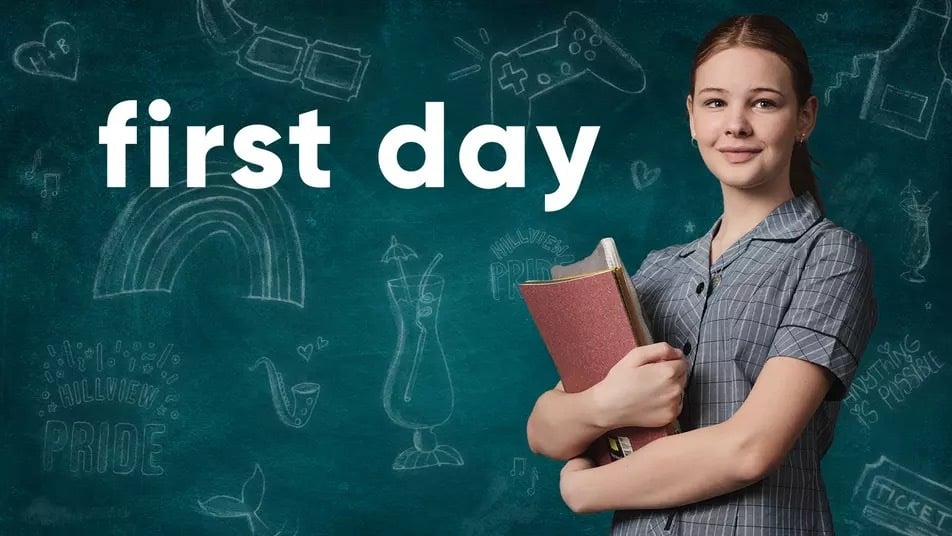
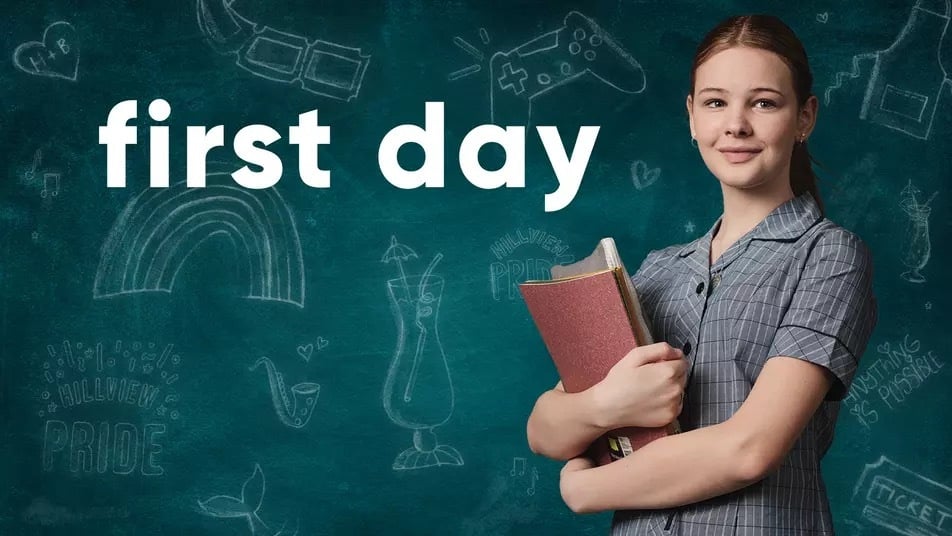
This Australian import stars Evie Macdonald as Hannah Bradford, a generally confident 12-year-old whose interests include school politics and taekwondo. She's also, as the series begins, getting a fresh start at a new school while transitioning, presenting herself as female for the first time. She immediately makes new friends, but also faces a bully from her old school who holds her secret over her head just as Hannah is starting to come into her own identity. And if that doesn't sound like a boot camp of its own. First Day skews quite a bit younger than other shows on this list, but it's nevertheless a solid coming-of-age drama about finding meaning and identity. Stream First Day on Hulu.

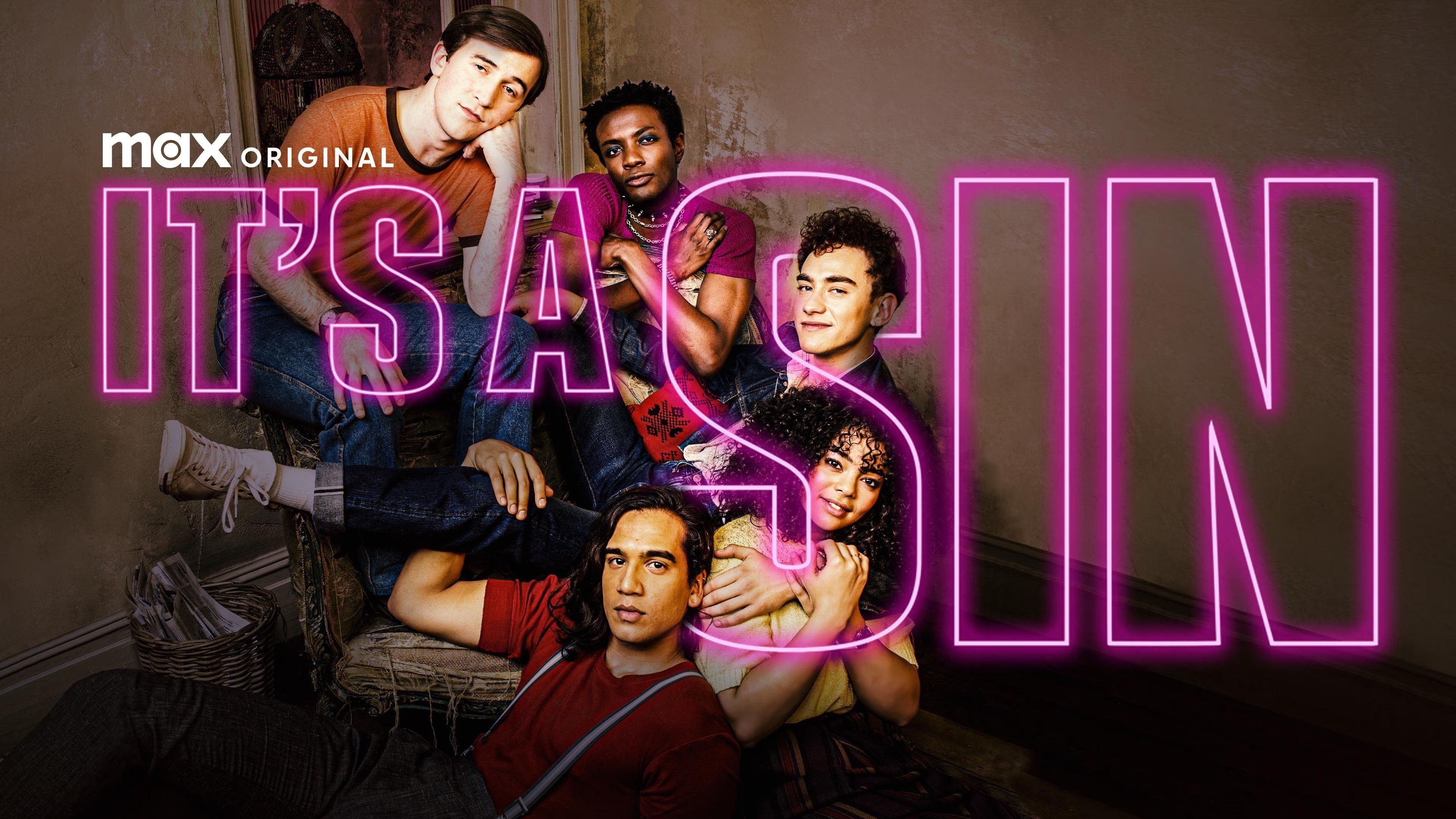
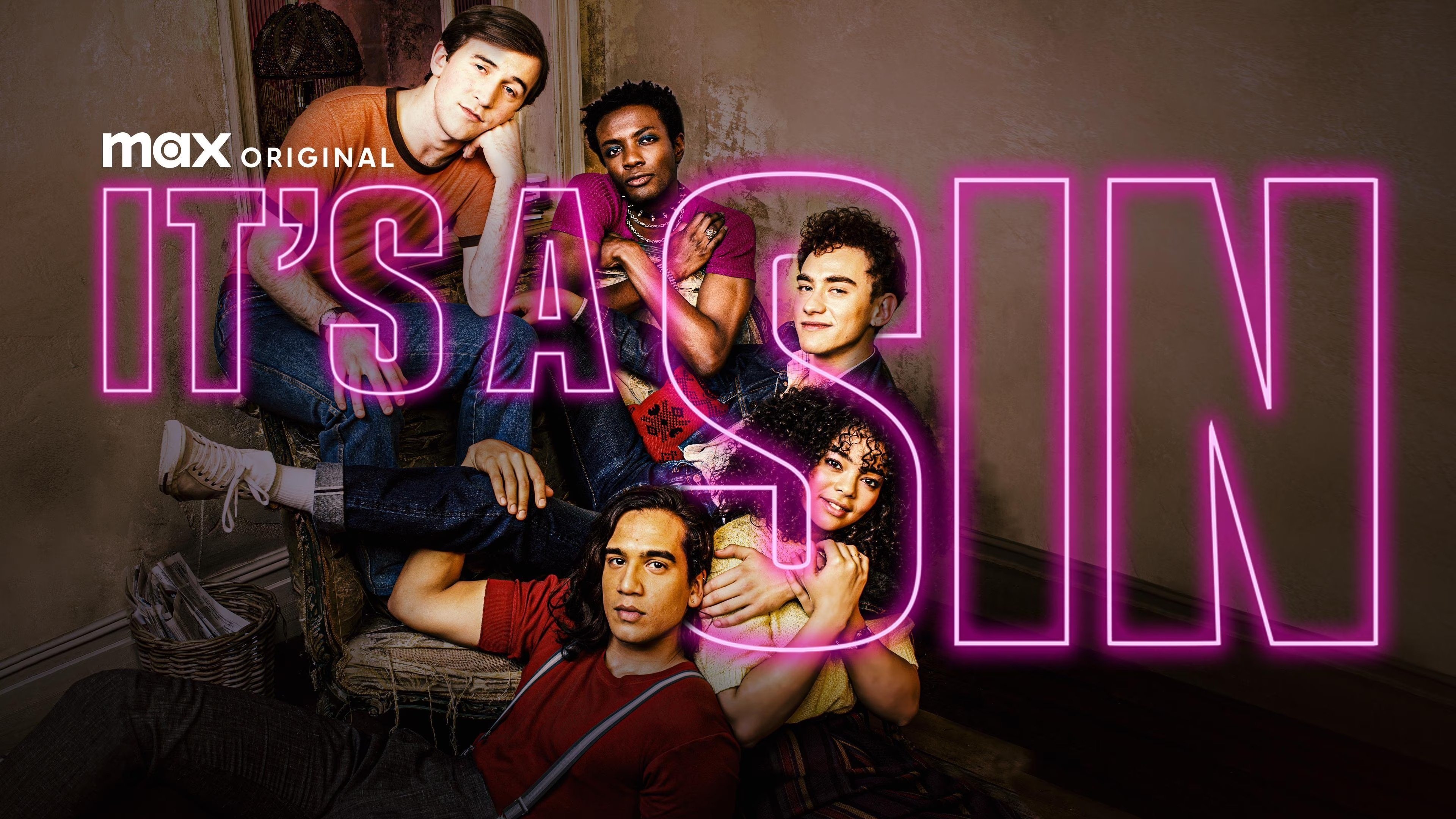
It's a Sin (2021)
Another period drama set within relatively recent memory, Russell T. Davies' It's a Sin revisits the 1980s through the story of a group of friends living in London during the height of the HIV/AIDS crisis. The miniseries brings an impressive cast to bear on a story that tracks them through the early days of queer liberation through the developing menace of a disease that no one in the broader world was willing to talk about, much less do anything about. Davies (Queer as Folk, Doctor Who) has told queer stories before, but none quite so powerful or affecting. Stream It's a Sin.














#856 WIRED Roundup: The 5 Tech and Politics Trends That Shaped 2025



Comments
5 comments