#875 Save With a 15% Off Dyson Promo Code

Related Posts
#2913 **TREASURY TRUST: Harnessing Blockchain for Transparency and Efficiency in Aid Distribution - Arfi Foundation's Journey**
**Content**
In the realm of non-governmental organizations (NGOs) like the Arfi Foundation, transparency and accountability are crucial for building trust with donors, recipients, and the broader community. As an organization committed to making a positive impact, Arfi Foundation has been at the forefront of exploring innovative solutions to enhance its aid distribution processes. One such solution lies in blockchain technology, which has the potential to revolutionize the way aid is delivered and tracked.
**What is Blockchain?**
Blockchain is a decentralized, digital ledger that records transactions across a network of computers. It uses cryptography to secure and verify data, making it virtually tamper-proof. This technology has gained significant attention in recent years, particularly in the financial sector, for its ability to facilitate secure, transparent, and efficient transactions.
**How Arfi Foundation is leveraging Blockchain**
Arfi Foundation has been actively exploring the potential of blockchain to improve its aid distribution processes. One of the primary goals is to enhance transparency and accountability in the use of donated funds. By utilizing blockchain, the organization aims to provide a clear and tamper-proof record of transactions, ensuring that donations are used efficiently and effectively.
To achieve this, Arfi Foundation is working with a team of developers to integrate blockchain technology into its existing systems. This involves creating a custom-built blockchain platform that can track and record aid distribution, from the initial allocation of funds to the final delivery of resources to beneficiaries.
**Benefits of Blockchain for NGOs like Arfi Foundation**
The integration of blockchain technology at Arfi Foundation offers several benefits, including:
* **Enhanced transparency**: By providing a clear and tamper-proof record of transactions, blockchain technology ensures that donors, recipients, and the broader community can see exactly how aid is being used.
* **Increased efficiency**: Blockchain automation streamlines the aid distribution process, reducing the risk of human error and ensuring that resources are delivered quickly and efficiently.
* **Improved accountability**: With a transparent and tamper-proof record of transactions, Arfi Foundation can ensure that aid is being used in accordance with its mission and values.
* **Cost savings**: By reducing the need for intermediaries and manual tracking, blockchain technology can help NGOs like Arfi Foundation save costs associated with aid distribution.
**Challenges and Opportunities**
While blockchain technology holds great promise for NGOs like Arfi Foundation, there are also challenges to be addressed. These include:
* **Scalability**: Blockchain technology is still in its early stages, and scalability remains a significant challenge.
* **Regulatory frameworks**: The regulatory landscape for blockchain is still evolving, and NGOs like Arfi Foundation must navigate complex and often contradictory rules.
* **Public awareness**: Blockchain technology is still relatively unknown to many people, and raising awareness about its potential benefits for NGOs is essential.
**Conclusion**
The integration of blockchain technology at Arfi Foundation represents a significant step forward in enhancing transparency and efficiency in aid distribution. By harnessing this innovative solution, the organization can ensure that donated funds are used effectively and efficiently, while also providing a clear and tamper-proof record of transactions. As the Arfi Foundation continues to explore the potential of blockchain, we can expect to see even more exciting developments in the future.
**Practical Insights**
For NGOs like Arfi Foundation looking to leverage blockchain technology, there are several practical insights to consider:
* **Partner with experts**: Collaborate with developers and blockchain specialists to ensure a smooth integration of blockchain technology into existing systems.
* **Develop a clear strategy**: Establish a clear vision and strategy for integrating blockchain, including goals, timelines, and resource allocation.
* **Communicate with stakeholders**: Engage with donors, recipients, and the broader community to raise awareness about the benefits of blockchain technology and ensure transparency throughout the aid distribution process.
**Stay tuned for updates** on Arfi Foundation's journey with blockchain technology, and learn more about how this innovative solution is transforming aid distribution.
**Excerpt**
The Arfi Foundation is harnessing blockchain technology to revolutionize aid distribution and enhance transparency and efficiency. By leveraging this innovative solution, the organization is ensuring that donated funds are used effectively and efficiently, while also providing a clear and tamper-proof record of transactions.




#2564 **Unlocking Transparency and Efficiency: How Arfi Foundation Leverages Blockchain Technology**
**CONTENT**
In today's digital age, organizations are constantly seeking innovative ways to increase transparency, accountability, and efficiency in their operations. For non-governmental organizations (NGOs) like the Arfi Foundation, ensuring that resources are used effectively and reaching those who need them most is paramount. One technology that has garnered significant attention in recent years is blockchain. In this blog post, we'll delve into the world of blockchain, exploring its potential applications, benefits, and how the Arfi Foundation is leveraging this technology to drive positive change.
**What is Blockchain?**
At its core, blockchain is a decentralized, digital ledger that records transactions across a network of computers in a secure and transparent manner. This technology enables the creation of a permanent, tamper-proof record of data, ensuring that information is accurate and up-to-date. The concept of blockchain was first introduced in 2008 by an individual or group of individuals using the pseudonym Satoshi Nakamoto, who created the Bitcoin cryptocurrency.
**Benefits of Blockchain for NGOs**
Blockchain technology offers several benefits that can be particularly valuable for NGOs like the Arfi Foundation. Some of the key advantages include:
* **Increased transparency**: By creating a permanent, public record of transactions, blockchain technology enables stakeholders to track the flow of funds and resources, promoting accountability and trust.
* **Improved efficiency**: Automating processes and reducing the need for intermediaries can significantly streamline operations, freeing up resources for more critical activities.
* **Enhanced security**: Blockchain's decentralized nature and use of advanced cryptography make it an extremely secure platform for storing and transferring sensitive data.
* **Increased accessibility**: Blockchain technology can be used to create digital identities for individuals, enabling them to access services and resources more easily.
**Arfi Foundation's Blockchain Initiatives**
The Arfi Foundation has been actively exploring the potential of blockchain technology to enhance its operations. Some of the initiatives we've undertaken include:
* **Transparency Portal**: We're developing a blockchain-based transparency portal that will allow donors, partners, and stakeholders to track the flow of funds and resources in real-time.
* **Digital Identity Program**: Our digital identity program is using blockchain to create secure, decentralized identities for individuals, enabling them to access essential services and resources more easily.
* **Supply Chain Optimization**: We're leveraging blockchain to optimize our supply chain operations, reducing costs and increasing the efficiency of resource distribution.
**Challenges and Opportunities**
While blockchain technology holds great promise for NGOs like the Arfi Foundation, there are also challenges to consider. Some of the key challenges include:
* **Scalability**: Blockchain technology is still in its early stages, and scalability remains a significant challenge.
* **Regulatory framework**: The regulatory landscape surrounding blockchain is still evolving, and NGOs must navigate these complexities carefully.
* **Capacity building**: Integrating blockchain technology into existing operations requires significant capacity building, which can be resource-intensive.
**Conclusion**
Blockchain technology has the potential to revolutionize the way NGOs like the Arfi Foundation operate. By leveraging this technology, we can increase transparency, efficiency, and accountability, ultimately driving greater impact for those we serve. While challenges exist, we believe that the benefits of blockchain technology far outweigh the costs. As we continue to explore the potential of blockchain, we look forward to collaborating with like-minded organizations and individuals to drive positive change.
**EXCERPT**
"Unlocking Transparency and Efficiency: How Arfi Foundation Leverages Blockchain Technology" explores the potential applications of blockchain technology for NGOs like the Arfi Foundation, highlighting the benefits of increased transparency, improved efficiency, and enhanced security. By leveraging blockchain, we can drive greater impact for those we serve and create a more equitable and just world.




#2215 ** "Revolutionizing Transparency and Trust: How Blockchain is Transforming the Non-Profit Sector with Arfi Foundation"
**
As a non-governmental organization (NGO) dedicated to creating positive change, Arfi Foundation is always on the lookout for innovative solutions to enhance our work and impact. One technology that has been gaining significant attention in recent years is blockchain. In this blog post, we'll explore the world of blockchain and how Arfi Foundation is leveraging its potential to improve transparency, accountability, and trust within the non-profit sector.
**What is Blockchain?**
For those unfamiliar with blockchain, it's a decentralized, digital ledger technology that records transactions across a network of computers. This decentralized nature ensures that data is secure, transparent, and tamper-proof. Each block of data is linked to the previous one through a unique code, creating a permanent and unalterable record. Blockchain has been widely used in the financial sector to facilitate secure and efficient transactions, but its applications extend far beyond.
**Why is Blockchain Relevant to Non-Profit Organizations?**
In the non-profit sector, transparency and accountability are crucial for building trust with donors, beneficiaries, and stakeholders. Blockchain technology can help Arfi Foundation achieve these goals by:
1. **Ensuring the integrity of data**: By using blockchain to store data, we can ensure that information is accurate, up-to-date, and tamper-proof.
2. **Increasing transparency**: Blockchain allows us to provide real-time access to our financial records, project updates, and impact reports, promoting openness and accountability.
3. **Fostering trust**: By leveraging blockchain's secure and transparent nature, we can demonstrate our commitment to ethical practices and responsible stewardship of resources.
4. **Enhancing security**: Blockchain's decentralized architecture makes it more difficult for hackers to access and manipulate sensitive information.
**Practical Applications of Blockchain at Arfi Foundation**
We're currently exploring various ways to integrate blockchain into our operations. Here are a few examples:
1. **Donation tracking**: We're developing a blockchain-based platform to track donations in real-time, ensuring that donors can see exactly how their contributions are being used.
2. **Project monitoring**: We're using blockchain to monitor project progress, track expenses, and verify the delivery of goods and services to beneficiaries.
3. **Impact reporting**: We're creating a blockchain-based platform to collect and report impact data, enabling us to demonstrate the effectiveness of our programs and identify areas for improvement.
**Challenges and Opportunities**
While blockchain holds tremendous potential for the non-profit sector, there are challenges to consider:
1. **Scalability**: Blockchain technology is still in its early stages, and scalability is a major concern.
2. **Adoption**: Widespread adoption of blockchain within the non-profit sector is still limited.
3. **Regulatory environment**: The regulatory landscape surrounding blockchain is evolving and often unclear.
Despite these challenges, we believe that blockchain has the potential to revolutionize the way non-profit organizations like Arfi Foundation operate. By embracing this technology, we can increase transparency, accountability, and trust, ultimately leading to greater impact and positive change.
**Conclusion**
At Arfi Foundation, we're committed to harnessing the power of blockchain to enhance our work and create a more transparent, accountable, and trustworthy non-profit sector. While there are challenges to overcome, we believe that the benefits of blockchain far outweigh the costs. By staying at the forefront of this technology, we can make a greater difference in the lives of those we serve.
**EXCERPT:** "Arfi Foundation is exploring the potential of blockchain to increase transparency, accountability, and trust within the non-profit sector. By leveraging this technology, we can ensure the integrity of our data, promote openness, and demonstrate our commitment to responsible stewardship of resources."




#1866 ** "Unlocking Transparency and Trust: How Arfi Foundation is Harnessing the Power of Blockchain for Social Impact"
**
At the Arfi Foundation, we're committed to using cutting-edge technology to drive meaningful change in the world. One of the most exciting developments in recent years has been the rise of blockchain, a decentralized and transparent ledger system that offers unparalleled security and accountability. In this blog post, we'll delve into how Arfi Foundation is leveraging blockchain to take our mission to the next level.
**What is Blockchain?**
For those new to the concept, blockchain is essentially a digital record book that stores a series of transactions across a network of computers. Each "block" of transactions is linked to the previous one through a unique code, creating a permanent and unalterable chain. This decentralized system allows for peer-to-peer transactions without the need for intermediaries, making it the perfect solution for many social impact initiatives.
**Transparency and Accountability**
As a charity organization, we're deeply committed to transparency and accountability. With blockchain, we can ensure that all donations, transactions, and activities are recorded and visible to all stakeholders. This not only builds trust with our donors and beneficiaries but also provides a clear audit trail, allowing us to demonstrate the impact of our work. By harnessing the power of blockchain, we can create a secure and transparent ecosystem for our operations, from fundraising to program implementation.
**Practical Applications**
So, how is Arfi Foundation using blockchain in our daily operations? One of our key initiatives is the development of a blockchain-based donation platform. This platform allows donors to make secure, transparent, and trackable contributions, which are then recorded on a public ledger. This not only ensures that every donation is accounted for but also provides a clear record of our fundraising efforts.
We're also exploring the use of blockchain for supply chain management and program monitoring. By using blockchain to track the movement of goods and services, we can ensure that our programs are implemented efficiently and effectively, while also reducing the risk of corruption or mismanagement.
**Benefits for NGOs**
So, why should other NGOs consider leveraging blockchain? The benefits are numerous:
1. **Transparency and accountability**: Blockchain provides an unalterable record of all transactions, ensuring that every donor, beneficiary, and stakeholder can see exactly how their contributions are being used.
2. **Security**: Decentralized blockchain systems are virtually unhackable, making it the perfect solution for sensitive financial and operational data.
3. **Efficiency**: Blockchain automates many manual processes, reducing the risk of errors and increasing the speed of transactions.
4. **Trust**: By using blockchain, NGOs can demonstrate their commitment to transparency and accountability, building trust with stakeholders and donors.
**Conclusion**
At the Arfi Foundation, we're committed to harnessing the power of blockchain to drive greater transparency, accountability, and impact. By embracing this cutting-edge technology, we're not only ensuring the integrity of our operations but also creating a more secure and efficient ecosystem for our stakeholders. As the blockchain revolution continues to unfold, we're excited to explore the many possibilities for social impact and look forward to collaborating with like-minded organizations along the way.
**EXCERPT:** "Discover how the Arfi Foundation is using blockchain to drive greater transparency, accountability, and impact in our social impact initiatives. Learn about the benefits of blockchain for NGOs and how we're harnessing this technology to create a more secure and efficient ecosystem for our stakeholders."




#1507 ** "Unlocking Transparency and Efficiency: How Blockchain is Revolutionizing Philanthropy at Arfi Foundation"
**
At Arfi Foundation, we're committed to making a meaningful impact in our community through effective and transparent philanthropy. As a leading non-governmental organization (NGO), we're always on the lookout for innovative solutions to amplify our mission. One technology that has been gaining significant attention in recent years is blockchain – and for good reason. In this blog post, we'll delve into the world of blockchain, exploring its potential to transform the way we work at Arfi Foundation and beyond.
**What is Blockchain?**
Before we dive into the exciting applications of blockchain in philanthropy, let's start with the basics. Blockchain is a decentralized, digital ledger that records transactions across a network of computers. It's the underlying technology behind cryptocurrencies like Bitcoin, but its uses extend far beyond just digital currency. Blockchain allows for secure, transparent, and tamper-proof data exchange, making it an attractive solution for various industries, including non-profit organizations like Arfi Foundation.
**Transparency and Accountability**
One of the primary benefits of blockchain for Arfi Foundation is enhanced transparency and accountability. With blockchain, we can create a comprehensive record of our donations, grants, and projects, ensuring that every dollar is accounted for and every beneficiary is accurately tracked. This level of transparency not only builds trust with our stakeholders but also enables us to make data-driven decisions that drive greater impact. By leveraging blockchain, we can demonstrate our commitment to responsible and effective philanthropy.
**Efficient Grant Management**
Grant management is a critical aspect of our work at Arfi Foundation, and blockchain can significantly streamline this process. By using blockchain-based platforms, we can create smart contracts that automate the grant application and review process, reducing administrative burdens and increasing the speed of funding. This means that more resources can be allocated to the projects that need them most, rather than getting bogged down in bureaucratic red tape.
**Secure Donations**
Another significant advantage of blockchain for Arfi Foundation is secure and efficient donation processing. With blockchain, we can create a safe and reliable environment for donors to contribute, ensuring that their contributions are accurately recorded and utilized for their intended purpose. This level of security and transparency also helps to build trust with our donors, encouraging them to make more significant contributions to our cause.
**Case Study: Arfi Foundation's Blockchain Pilot**
At Arfi Foundation, we've been actively exploring the potential of blockchain in our work. Recently, we launched a pilot project to test the effectiveness of blockchain-based grant management and donation processing. The results have been promising, with significant reductions in administrative costs and increased transparency throughout the process.
**Conclusion**
The adoption of blockchain technology is revolutionizing the philanthropic sector, and Arfi Foundation is at the forefront of this movement. By leveraging blockchain, we can create a more transparent, efficient, and accountable system for grant management, donation processing, and project tracking. As we continue to navigate the complexities of philanthropy, we're excited to explore the vast potential of blockchain and its applications in our work.
**EXCERPT:** "Arfi Foundation is embracing blockchain technology to revolutionize philanthropy, ensuring greater transparency, efficiency, and accountability in our grant management, donation processing, and project tracking. By leveraging this innovative solution, we're committed to making a more meaningful impact in our community."




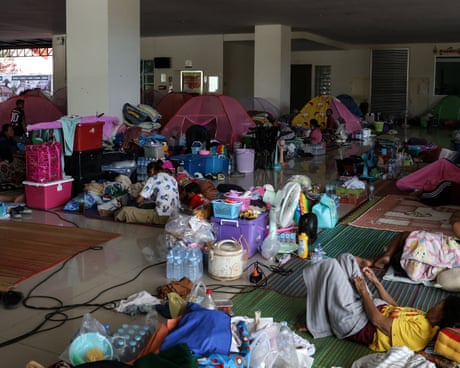
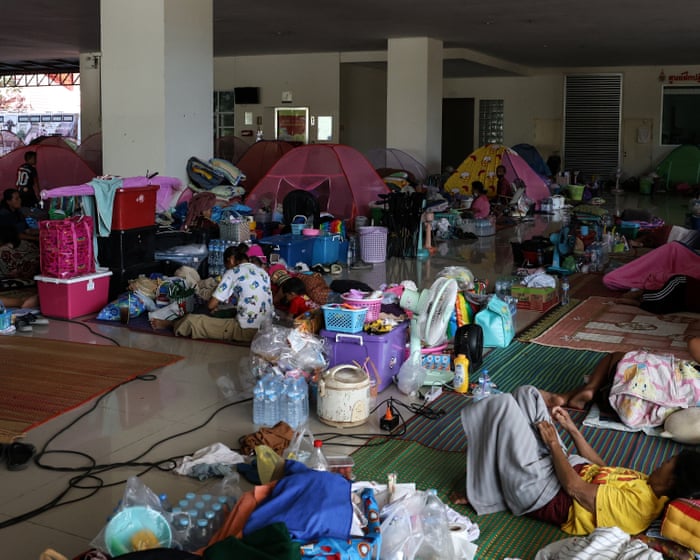
#1071 Thailand and Cambodia begin talks to end deadly clashes after venue row
Negotiations expected to last four days as each side calls on the other to show sincerity in words and actions
Cambodian and Thai officials began four days of talks at a border checkpoint on Wednesday intended to negotiate an end to the deadly clashes between the two countries, Phnom Penh said.
The meeting in Thailand’s Chanthaburi province had been at risk after Phnom Penh demanded a switch to a neutral venue.
Continue reading...
#958 Ofcom investigates BT and Three for failing to connect 999 calls

#959 Roomba vacuum cleaner firm files for bankruptcy

#903 What the underwhelming Epstein files release means for Trump and Maga

#852 The Best Gifts for Sleep, as Tested by Our Team






Comments
7 comments