#952 Facebook tests £9.99 monthly subscription for sharing more than two links

Related Posts
#2891 ** Leveraging Facebook for Social Impact: How Arfi Foundation Uses Social Media to Make a Difference
**
As a non-profit organization, Arfi Foundation understands the importance of leveraging social media platforms to amplify our message, engage with our community, and drive social impact. In this blog post, we'll explore how Facebook, in particular, has become a crucial tool for our organization, and share some practical insights and tips on how we use it to make a difference.
**The Power of Facebook for NGOs**
Facebook is one of the most widely used social media platforms globally, with over 2.7 billion monthly active users. For non-profit organizations like Arfi Foundation, Facebook offers a unique opportunity to reach a vast audience, build a community, and raise awareness about our cause. By creating a strong presence on Facebook, we can engage with our supporters, share stories, and mobilize action on critical issues.
**Building a Community on Facebook**
At Arfi Foundation, we've invested significant time and effort into building a strong Facebook community. Our page has over [X] followers, and we engage with them regularly through posts, comments, and private messages. We use Facebook Groups to create a safe and inclusive space for our supporters to discuss issues related to our cause, ask questions, and share their experiences. By fostering a sense of community, we've been able to build a loyal and passionate group of advocates who help us amplify our message.
**Facebook Fundraising: A Game-Changer for NGOs**
Facebook has made fundraising on its platform incredibly easy and accessible. Our organization has used Facebook Fundraisers to raise critical funds for various projects and initiatives. With the platform's built-in features, such as donation buttons and sharing capabilities, we've been able to reach a wider audience and encourage our supporters to give. In fact, we've seen a significant increase in fundraising success rates since we started using Facebook Fundraisers.
**Tips and Best Practices for NGOs on Facebook**
As an NGO, it's essential to leverage Facebook effectively to maximize your impact. Here are some practical tips and best practices to keep in mind:
1. **Be authentic and consistent**: Share stories, updates, and behind-the-scenes content that showcases your organization's mission, values, and impact.
2. **Use compelling visuals**: High-quality images and videos can help your content stand out and engage your audience.
3. **Engage with your community**: Respond promptly to comments, messages, and posts, and use Facebook Groups to foster meaningful conversations.
4. **Utilize Facebook Fundraisers**: Make fundraising easy and accessible by creating Facebook Fundraisers for your projects and initiatives.
5. **Monitor and measure**: Use Facebook Insights to track your page's performance, engagement rates, and fundraising success.
**Arfi Foundation's Facebook Story**
At Arfi Foundation, we've seen significant success on Facebook, and we're proud of the impact we've made. Our Facebook page has become a hub for our community, with over [X] followers and [X] engagement rate. We've raised critical funds for various projects, including [project name], which has helped [X] people in need. By leveraging Facebook effectively, we've been able to amplify our message, build a loyal community, and drive social impact.
**Conclusion**
In conclusion, Facebook has become an essential tool for Arfi Foundation's social impact work. By building a strong community, leveraging Facebook Fundraisers, and engaging with our audience, we've been able to make a meaningful difference in the lives of those we serve. We hope that our story and insights will inspire other NGOs to join us on Facebook and use the platform to maximize their impact.
**EXCERPT:**
As a non-profit organization, Arfi Foundation has leveraged Facebook to amplify our message, engage with our community, and drive social impact. By building a strong community, using Facebook Fundraisers, and engaging with our audience, we've been able to make a meaningful difference in the lives of those we serve.




#2542 ** "Harnessing the Power of Facebook for Social Impact: Arfi Foundation's Journey"
**
As a non-governmental organization (NGO) dedicated to creating positive change, Arfi Foundation understands the importance of leveraging digital platforms to amplify our mission and reach a wider audience. In this blog post, we'll delve into the world of Facebook and explore how Arfi Foundation uses this powerful social media platform to drive social impact.
**Why Facebook Matters for NGOs**
With over 2.7 billion monthly active users, Facebook is one of the most widely used social media platforms globally. For NGOs like Arfi Foundation, Facebook offers a unique opportunity to connect with our target audience, build our brand, and raise awareness about our causes. By creating a strong presence on Facebook, we can:
1. **Raise awareness**: Share our stories, achievements, and campaigns to inspire and educate our followers.
2. **Build community**: Foster a sense of belonging and engagement among our supporters, encouraging them to participate in our activities and share their experiences.
3. **Fundraise**: Utilize Facebook's fundraising tools to collect donations and support our projects.
4. **Network**: Collaborate with other organizations, experts, and influencers to amplify our impact and stay up-to-date with the latest best practices.
**Arfi Foundation's Facebook Strategy**
At Arfi Foundation, we've developed a comprehensive Facebook strategy to maximize our social impact. Here are some key aspects of our approach:
1. **Content creation**: We regularly post engaging content, including stories, photos, videos, and updates, to keep our audience informed and entertained.
2. **Facebook Groups**: We've created a private group for our supporters to connect, discuss, and share their experiences related to our causes.
3. **Paid advertising**: We use targeted Facebook ads to reach new audiences, promote our campaigns, and drive website traffic.
4. **Volunteer management**: We utilize Facebook to recruit, manage, and engage our volunteers, ensuring they feel valued and empowered to make a difference.
5. **Donation tracking**: We use Facebook's fundraising tools to track donations and provide regular updates on our progress.
**Practical Tips for NGOs**
If you're an NGO looking to harness the power of Facebook, here are some practical tips to get you started:
1. **Define your target audience**: Identify your ideal followers and tailor your content to resonate with them.
2. **Create a content calendar**: Plan and schedule your content in advance to ensure consistency and efficiency.
3. **Engage with your audience**: Respond to comments, messages, and reviews to build trust and foster a sense of community.
4. **Monitor your analytics**: Use Facebook Insights to track your performance and adjust your strategy accordingly.
5. **Collaborate with influencers**: Partner with social media influencers or other organizations to amplify your reach and credibility.
**Conclusion**
In conclusion, Facebook is a powerful tool for NGOs like Arfi Foundation to drive social impact, build our brand, and connect with our audience. By developing a comprehensive strategy and leveraging the platform's features, we can amplify our message, engage with our supporters, and make a tangible difference in the lives of others.
At Arfi Foundation, we're committed to harnessing the power of Facebook and other digital platforms to create a better world. Join us on this journey and follow us on Facebook to stay updated on our latest initiatives and campaigns!
**EXCERPT:** "Discover how Arfi Foundation is harnessing the power of Facebook to drive social impact, build our brand, and connect with our audience. Learn practical tips and insights on how to leverage this powerful platform for your own NGO or charity organization."




#2193 **Maximizing Social Impact: How Arfi Foundation Leverages Facebook for Good**
**Excerpt:** "At Arfi Foundation, we're committed to harnessing the power of social media to drive meaningful change. In this post, we'll explore how our organization is using Facebook to amplify our mission, engage with our community, and make a lasting impact."
As a non-governmental organization (NGO) dedicated to promoting social welfare and community development, Arfi Foundation has long recognized the potential of social media to amplify our message and reach a wider audience. Among various platforms, Facebook has emerged as a crucial tool in our digital strategy, enabling us to engage with supporters, build a community of like-minded individuals, and drive tangible results. In this blog post, we'll delve into the ways Arfi Foundation leverages Facebook to advance our mission and share practical insights on how other NGOs can follow in our footsteps.
**Building a Community on Facebook**
At Arfi Foundation, we've established a robust presence on Facebook, where we engage with our community through regular updates, blog posts, and interactive content. Our Facebook page serves as a central hub for sharing news, success stories, and upcoming events, allowing us to stay connected with our supporters and keep them informed about our work. By fostering an online community around our mission, we've created a space for people to share their thoughts, experiences, and ideas, which in turn helps us refine our approach and better serve those we support.
One of the key strategies we've employed on Facebook is to create engaging content that resonates with our audience. Whether it's a heartwarming story of a beneficiary, a thought-provoking blog post on a relevant topic, or a call to action for a specific campaign, we strive to craft content that inspires, educates, and motivates our community to take action. By using high-quality visuals, informative graphics, and compelling storytelling, we've managed to increase engagement on our page, foster a sense of belonging among our followers, and drive meaningful conversations around our mission.
**Boosting Impact through Facebook Fundraising**
In addition to building a community and sharing our story, Arfi Foundation has also leveraged Facebook to raise critical funds for our programs and initiatives. Through Facebook Fundraisers, we've been able to create customized campaigns that allow our supporters to contribute directly to our work. By sharing these campaigns with our network, we've been able to mobilize funds from individuals, organizations, and corporates, which has enabled us to scale our impact and reach more people in need.
One of the key benefits of Facebook Fundraisers is their ease of use and accessibility. With just a few clicks, individuals can create a campaign, set a fundraising goal, and share it with their network. We've seen firsthand how this feature has empowered our supporters to take ownership of our mission and contribute to our work in a meaningful way. By facilitating online giving, we've been able to reduce administrative costs, increase transparency, and ensure that every dollar goes directly towards supporting our programs.
**Measuring Success and Maximizing Impact**
As an NGO, measuring the effectiveness of our social media strategy is crucial to understanding our impact and identifying areas for improvement. On Facebook, we use a range of metrics to track our performance, including engagement rates, reach, clicks, and conversions. By analyzing these metrics, we're able to refine our content strategy, optimize our ads, and make data-driven decisions that drive tangible results.
One of the key insights we've gained from our Facebook analytics is the importance of diversifying our content mix. By experimenting with different formats, such as videos, live streams, and carousels, we've been able to increase engagement and reach a broader audience. We've also learned the value of collaborating with influencers and partners to amplify our message and tap into new networks. By leveraging these partnerships, we've been able to build credibility, expand our reach, and drive meaningful conversations around our mission.
**Conclusion**
At Arfi Foundation, we're committed to harnessing the power of social media to drive meaningful change. Through our Facebook page, we've built a community of like-minded individuals, amplified our message, and driven tangible results. By leveraging Facebook Fundraisers, we've mobilized critical funds for our programs and initiatives, enabling us to scale our impact and reach more people in need. As we continue to navigate the ever-evolving landscape of social media, we're committed to staying at the forefront of best practices, experimenting with new tools and techniques, and maximizing our impact for the greater good.




#1844 "Harnessing the Power of Facebook for Social Impact: How Arfi Foundation Connects with its Community"**
**
As a non-governmental organization (NGO) dedicated to creating a better world, Arfi Foundation understands the importance of effective communication in driving social change. In today's digital age, social media platforms have become invaluable tools for connecting with like-minded individuals, sharing stories, and raising awareness about critical issues. In this blog post, we'll delve into the world of Facebook and explore how Arfi Foundation leverages this platform to amplify its impact.
**The Power of Facebook for NGOs**
Facebook is the largest social media platform globally, with over 2.7 billion monthly active users. Its vast user base provides an unparalleled opportunity for NGOs like Arfi Foundation to reach a vast audience, build a community, and create a lasting impact. By creating a Facebook page, Arfi Foundation can share its mission, values, and achievements with the world, fostering a sense of connection and empathy among its supporters.
**Building a Strong Online Presence**
A well-crafted Facebook page is the foundation of an effective online presence. Arfi Foundation's Facebook page serves as a digital hub, where visitors can learn about the organization's history, mission, and initiatives. Our page showcases our work in various areas, from education to environmental conservation, highlighting the tangible impact of our efforts. We also use Facebook to share stories of change, highlighting the lives of individuals and communities we've helped.
**Engaging with the Community**
Facebook provides an excellent platform for engaging with our audience, encouraging two-way communication, and fostering a sense of community. We use Facebook Groups to create a space for like-minded individuals to connect, share ideas, and collaborate on projects. Our group members become ambassadors for Arfi Foundation, helping to amplify our message and spread awareness about our initiatives. We also use Facebook Live to share updates from the field, provide behind-the-scenes insights, and interact with our followers in real-time.
**Maximizing Reach through Facebook Ads**
To extend our reach and build a sustainable online presence, Arfi Foundation uses Facebook Ads to promote our content and attract new supporters. Our targeted ads are designed to resonate with our audience, highlighting the most pressing issues we're addressing. By leveraging Facebook's sophisticated targeting capabilities, we can ensure that our ads reach individuals who are genuinely interested in our work.
**Measuring Success and Impact**
To gauge the effectiveness of our Facebook strategy, Arfi Foundation tracks key performance indicators (KPIs) such as page engagement, reach, and conversions. We use Facebook's built-in analytics tools to monitor our performance, identify areas for improvement, and adjust our strategy accordingly. By regularly evaluating our progress, we ensure that our online presence remains relevant and effective in driving social change.
**Best Practices for NGOs on Facebook**
As an NGO working on Facebook, it's essential to adhere to best practices that ensure a positive experience for both our followers and the platform. Here are some key takeaways:
1. **Be authentic and transparent**: Share your story, and be honest about your challenges and successes.
2. **Post high-quality content**: Share engaging, informative, and visually appealing content that resonates with your audience.
3. **Engage with your community**: Respond to comments, answer questions, and foster a sense of community.
4. **Use Facebook Groups**: Create a space for like-minded individuals to connect and collaborate.
5. **Monitor and adjust**: Regularly evaluate your performance, and adjust your strategy to optimize your impact.
**Conclusion:**
In conclusion, Facebook has become an indispensable tool for Arfi Foundation, enabling us to connect with our community, share our story, and drive social change. By leveraging the power of Facebook, we can build a strong online presence, engage with our audience, and maximize our reach. As an NGO, we recognize the importance of staying adaptable and committed to best practices, ensuring that our online presence remains effective and impactful in the years to come.
**EXCERPT:**
"Discover how Arfi Foundation uses Facebook to amplify its impact and drive social change. From building a strong online presence to engaging with the community and maximizing reach through Facebook Ads, learn the best practices for NGOs on Facebook and how to harness its power for good."




#1481 'GhostPairing' Attacks Are Taking Over WhatsApp Accounts
If you use WhatsApp, you may be targeted by scammers looking to take over your account by pairing their browser to your number. This scheme, dubbed GhostPairing by researchers, uses WhatsApp's device linking process to allow fraudsters to access all of your messages, impersonate you in chats, and perpetuate the scam to your contacts. Here's how threat actors are hijacking WhatsApp accounts—and how to defend yours.
GhostPairing manipulates WhatsApp device linking
WhatsApp allows users to link their desktop or browser to their account without needing to enter login credentials in one of two ways: scanning a QR code and approving the session or confirming a numeric pairing code in the mobile app. While the GhostPairing scam could theoretically manipulate users in either approach, researchers found that the latter is much more common.
The fraud begins with a short message sent from a contact with a link that purportedly goes to a Facebook photo or some type of Facebook content. If you click through, you'll be directed to a spoofed Facebook login page to enter your phone number—a familiar confirmation flow for Meta platforms. The next screen will likely show a numeric code with instructions to enter said code into WhatsApp to confirm the login (again, this may feel like a familiar two-step verification). If you're not paying attention, you may not realize that this didn't do anything on your end but instead registered the attacker's browser as a linked device to your account.
The danger in this scam is that everything will seem normal on your device and in your account, as attackers haven't hijacked your credentials to lock you out. However, they can do anything and everything in WhatsApp that you can, such as reading chats, receiving messages, viewing and downloading media, collecting information from your contacts, and forwarding the same phishing link. As they learn more about you and the people you know, they can potentially use that for ongoing scams.
How to protect your WhatsApp account
As always, be wary of links received via messaging platforms, even if they seem harmless or you think you know and can trust the sender. Threat actors frequently use social media and direct messaging to spread phishing lures. If you do click a link in WhatsApp (or any other communication), read all prompts carefully before providing or verifying any information to identify scams.
To protect your WhatsApp account specifically, you can set up two-step verification, which will also prevent attackers from adding or changing a connected email address. Go to Settings > Account > Two-step verification > Turn on or Set up PIN and add an email address when prompted. You can also check to see if there are any suspicious devices paired with your account under Settings > Linked devices and remove any you don't recognize or regularly use.
Finally, if you have been targeted by this scam, let your WhatsApp contacts know, as threat actors may spread the malicious link by making it look like it came from you.

#1055 10 iPhone Privacy Hacks Everyone Should Know
We may earn a commission from links on this page.
When you're using devices that are always connected to the internet, it's difficult to completely protect your privacy. Luckily, there are plenty of great privacy hacks for your iPhone, which you can use to make it hard for trackers and spies to collect your data and snoop on your business. From built-in solutions, like adjusting app permissions, to purchasing privacy screen protectors, here are 10 hacks every iPhone user should consider to protect their privacy.
Get yourself a privacy screen protector
No software privacy hack can protect you from people looking over your shoulder to memorize your password, or from peeking to see what you're up to. What can protect you, however, is a privacy screen protector. I saw this first-hand: One of my friends recently tried to show me something on her iPhone, and I realized that I couldn't see anything at all until her phone was directly in front of me.
These screen protectors can make it easier to use your phone in public spaces without worrying about who's looking at its screen. That said, there are a few potential dealbreakers. These screen protectors are rather plasticky, and don't feel as nice or smooth as your iPhone's touchscreen. These products also lower your screen's brightness. I don't mind, but it can be a problem if you're trying to use your phone in bright lighting. If you can live with these cons though, this is a cheap privacy hack that's definitely worth considering.
Stop Apple from collecting your data (as much as you can)

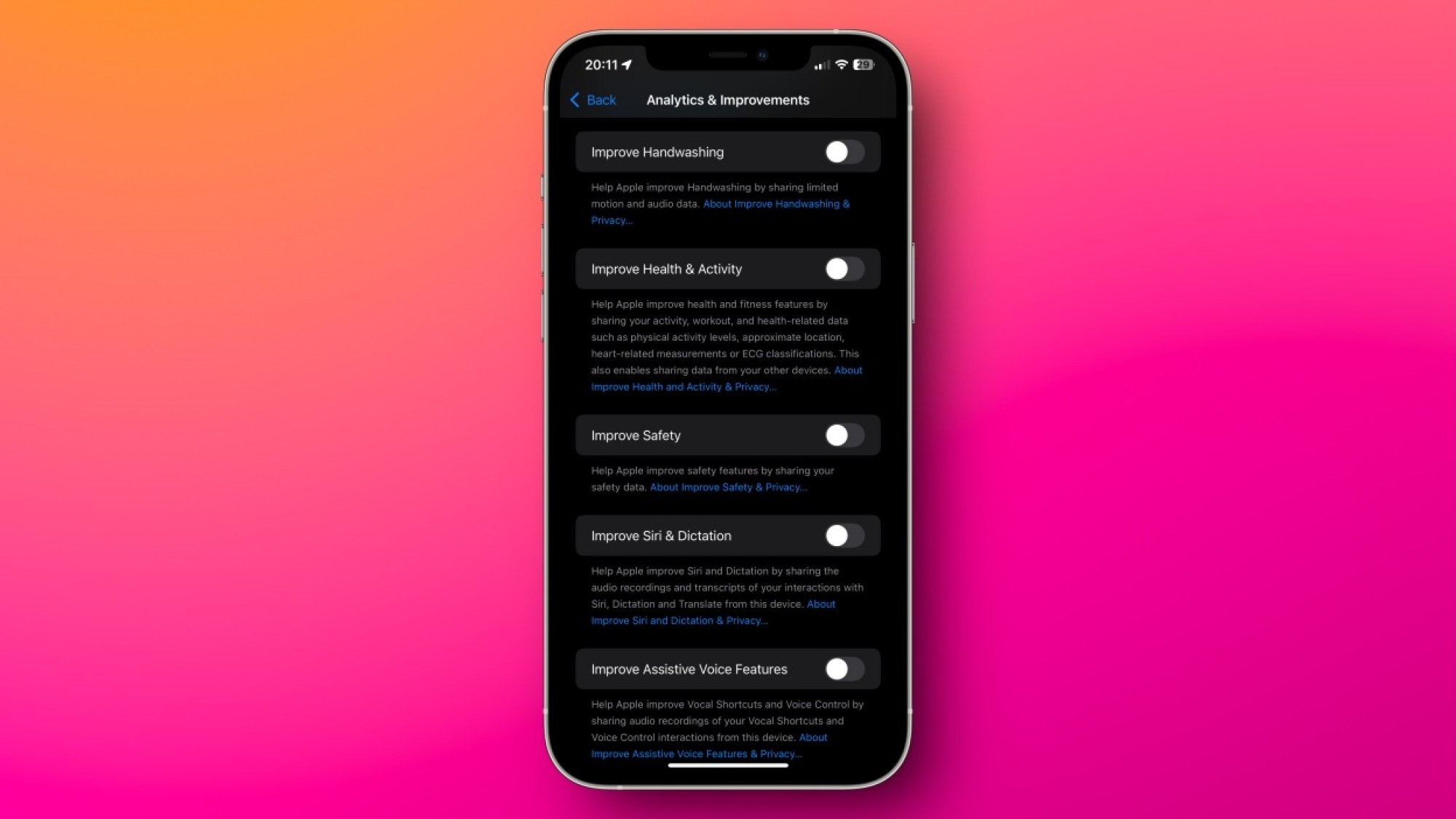
Apple is known for its privacy policies, but in recent years, its resolve seems to be weakening a bit. The company is pushing ads into its apps and your notifications, and it's aggressively encouraging iPhone users to subscribe to Apple services. There's not much you can do to block promotional materials coming from the company directly, but it's still worth changing a few settings to limit Apple's own ads. This includes reducing Apple's data collection, too. Many of these options are available under Settings > Privacy & Security on your iPhone. On that page, you can navigate to these pages to disable quite a bit of tracking:
Analytics & Improvements
Apple Advertising
Location Services > System Services
Carefully reviewing all options on these pages and disabling unnecessary features goes a long way in limiting Apple's data collection.
Deny (or limit) app permissions whenever you can
I used to allow all permissions an app requested when I first opened it. Over time, I realized that this led to a lot of notification spam, unnecessary data collection, and significant battery drain if the app was tracking my location. That's why I developed a new strategy: deny all permissions unless an app absolutely needs it. In general, I almost always deny permission to send notifications, access to contacts, location, camera, microphone, and photos.
Newer versions of iOS allow you to share just a few contacts or photos, and even restrict GPS access to an approximate location instead of a precise marker. All of these are available under Settings > Privacy & Security in case you missed them while setting up an app.
Consider deleting apps known to track you
While the App Tracking Transparency option on your iPhone does reduce data collection from many apps, it's far from foolproof. In general, apps have access to far more data than their web versions, so if you can, you should try switching from apps to mobile websites wherever possible. If you delete apps such as Instagram, Facebook, or TikTok, and switch to logging in via Safari, you'll give away much less data, and some of the data you would otherwise give to the web apps will be blocked or spiked by Safari's privacy features, further protecting your data. As an added bonus, since web apps are generally a worse experience than dedicated apps, you're also far less likely to fall into a doomscrolling trap. I've used this fairly effectively with social media apps, but you can't always delete apps, like WhatsApp.
Install an adblocker (or use a better DNS)

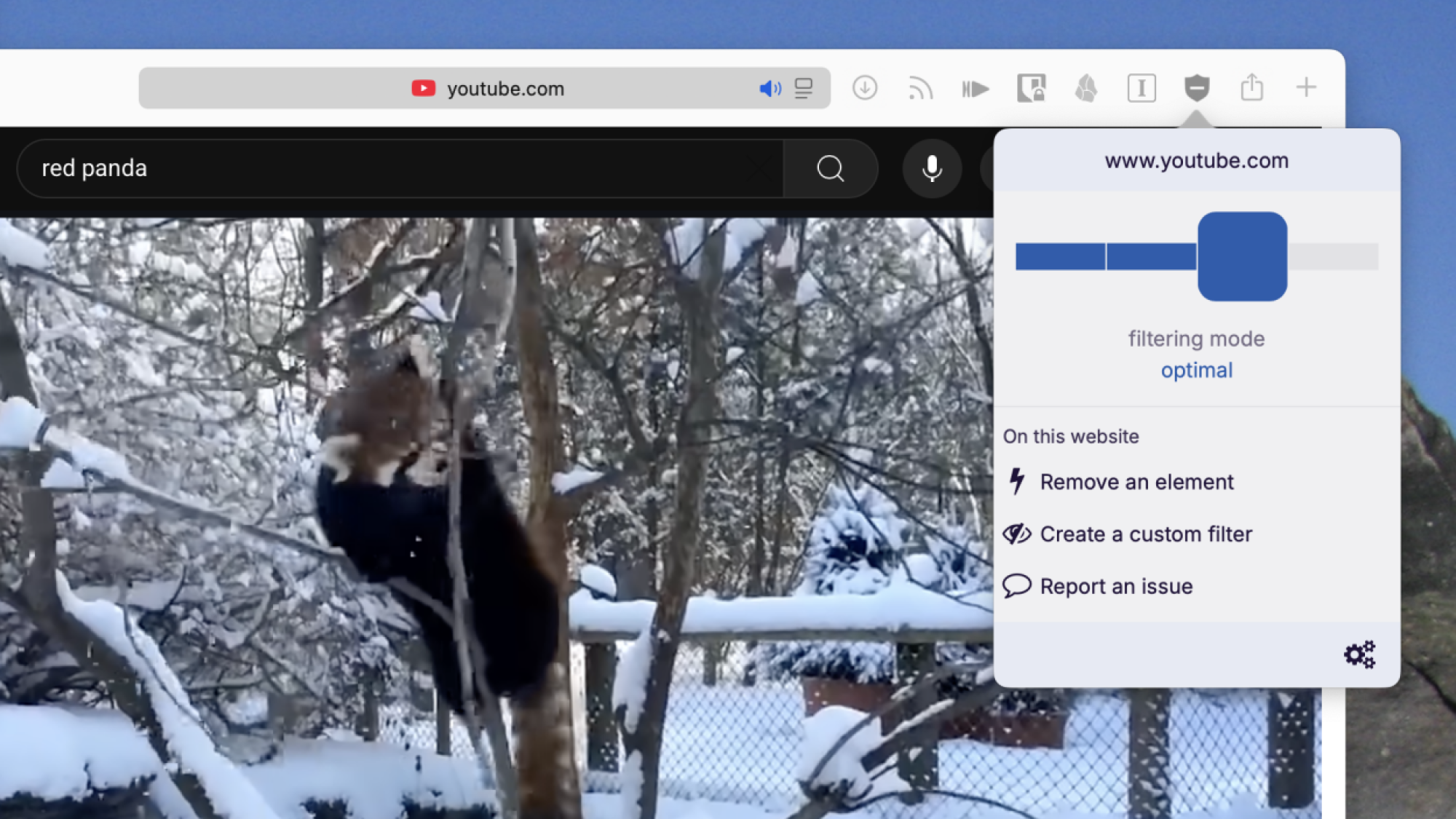
Installing an adblocker and a DNS app can do wonders for your iPhone privacy. Adblockers such as uBlock Origin are pretty good at blocking invasive tracking on your iPhone, but their effect is limited to Safari. To enhance the privacy of your internet traffic, you should consider installing an encrypted DNS app such as NextDNS, AdGuard DNS, or ControlD. All of these will block ads or trackers in most apps on your iPhone and safeguard you from some types of online security threats as well.
Safety Check is a must-have
Everyone should be using Safety Check on iPhone. This feature immediately lets you identify who you're sharing what with, including passwords, fitness activity, your current location, calendars, notes, and other data. To check on it, head to Settings > Privacy & Security > Safety Check > Manage Sharing & Access. You can go through the prompts to review app permissions, and set up an emergency contact, which ensures that your data (and you) are safe. While you can manually access all these options in the Settings app, the Safety Check prompt lets you find all features without combing through multiple pages, which will save you a lot of time.
A password manager is a great privacy tool

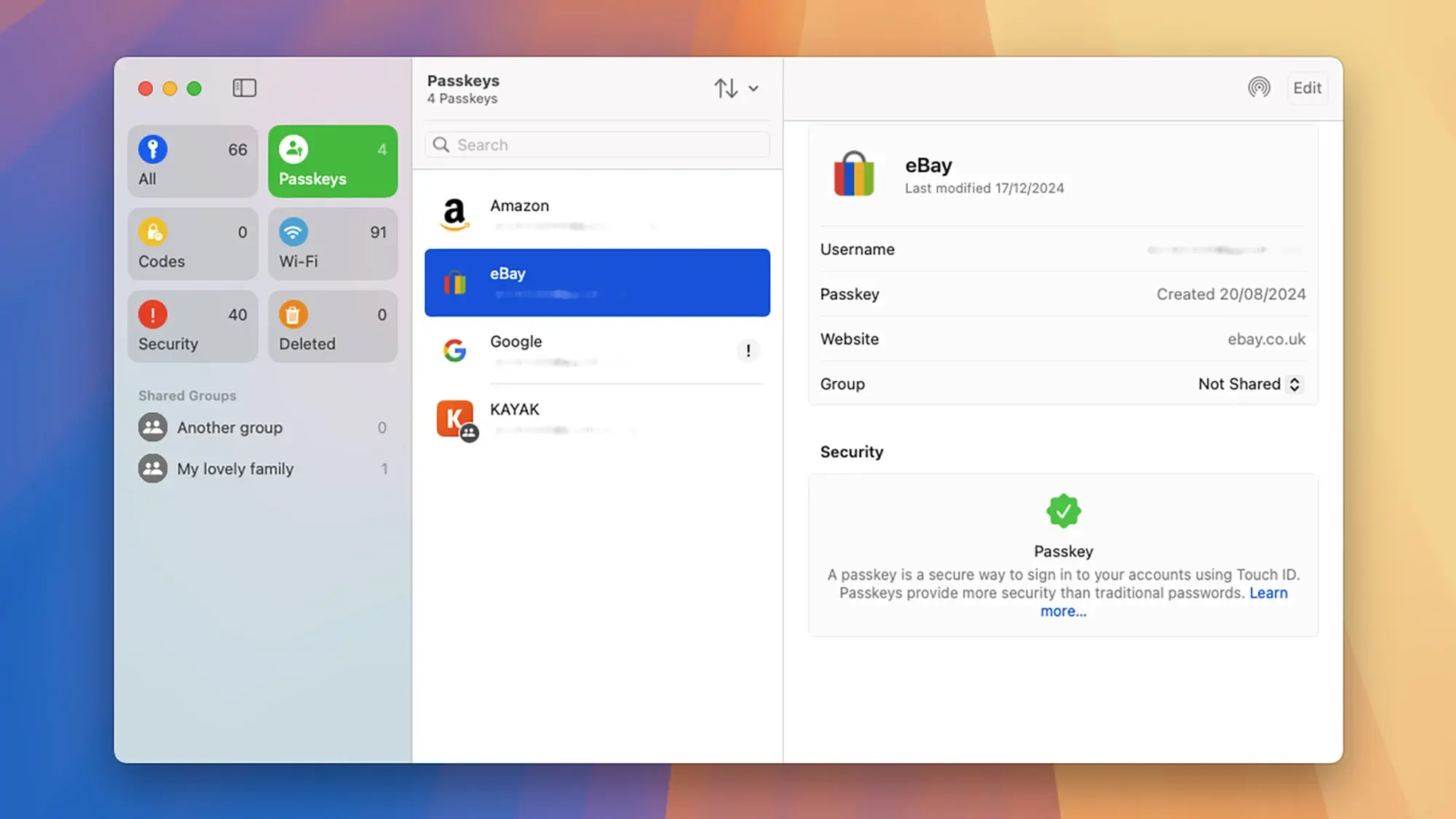
A good password manager is also a must. Free password managers, such as the built-in Passwords app or BitWarden allow you to create unique, strong passwords for each website, which makes it far less likely to compromise your accounts. You can also use these apps to store your two-factor authentication codes to add an extra layer of security to your accounts.
Even better, these apps can manage passkeys to help you log in to your online accounts. Passkeys eliminate the need to remember passwords, and are far more resistant to phishing attacks that could compromise your accounts. For more information on passkeys, check out our full guide here.
Encrypt your data backups responsibly
You should strongly consider enabling encryption on your data backups. This includes your iCloud Backup, and backups of your messaging apps such as Telegram or WhatsApp. Encryption makes it far less likely for an unauthorized party to read what's on your iPhone, as the data is totally scrambled without the key—which, in this case, is either your password or PIN. However, this is also where the danger lies. If you forget your backup password, even you won't be able to access the backup to restore data if you need to. Again, use a password manager to store these passwords so you'll never really forget.
Remove identifying information from social media photos
This isn't necessarily an iPhone privacy tip as much as it is a general privacy hack, but it's worth mentioning. These days, trackers and hackers effectively use social media posts, photos, and videos to profile you. While there are plenty of steps you can take to limit the data you share on social media, you might not know you can remove identifying data from photos you post online. "Exif" data includes a host of stats about the hardware that took the image, including your camera make and model, shutter speed, focal length, and, perhaps most importantly, location. You don't have to avoid sharing photos to protect this data, however: just remove the exif data before posting.
Lockdown Mode protects you from extreme attacks
Most people are never going to need to use Lockdown Mode, because it's designed to protect your data when it's under attack from government surveillance or from espionage. That said, it's still worth knowing about this tool in case you ever face a cyberattack or if you suspect that your iPhone has been infected with spyware. Lockdown Mode disables message attachments, links and link previews, most incoming FaceTime calls, many Apple services, certain web technologies and fonts in Safari, and many other features.
I repeat that this level of extreme protection is unnecessary for most people, but if you do need it one day, you can go to Settings > Privacy & Security > Lockdown Mode to enable it.

#1017 Biography aims to fill gaps in story of ultra-libertarian Telegram founder Pavel Durov
Like many of his US counterparts, the Russian science prodigy turned hugely successful ‘digital populist’ has a deep suspicion of government constraint
Tech visionary, Kremlin dissident, FSB agent, free speech absolutist, health guru. These are just some of the labels admirers and critics have attached to Pavel Durov over the past decade.
The Russian-born tech entrepreneur founded Russia’s version of Facebook before going on to create the messaging app Telegram, launch a cryptocurrency ecosystem and amass a multibillion-dollar fortune, all while clashing repeatedly with authorities in Russia and beyond.
Continue reading...







Comments
6 comments