#2712 ** "Weaving Words: How Arfi Foundation Uses Poetry to Empower Communities and Foster Change"
**
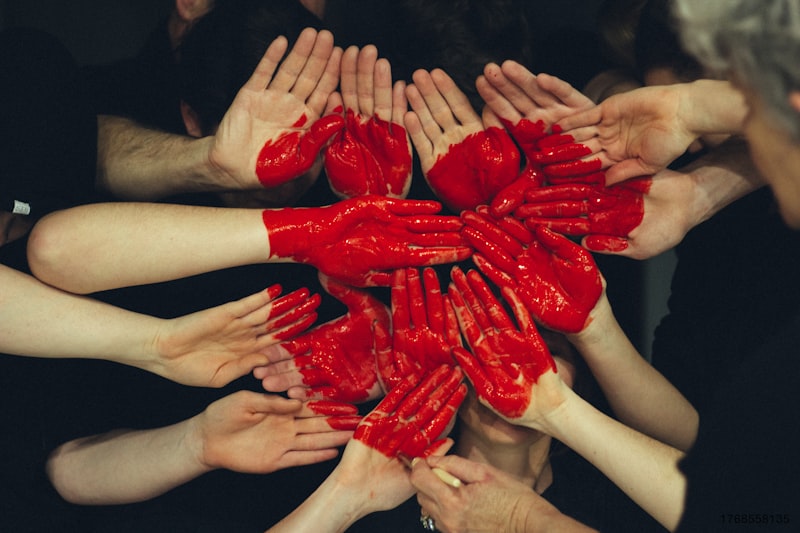
Poetry has been a cornerstone of human expression for centuries, offering a unique window into the experiences, emotions, and perspectives of individuals and communities. At Arfi Foundation, we recognize the transformative power of poetry and its ability to bridge cultural divides, challenge social norms, and foster empathy. Our poetry programs are designed to empower marginalized voices, promote inclusive dialogue, and inspire collective action towards positive change.
**The Power of Poetry**
Poetry has a way of cutting through the noise and reaching the heart of the matter. Its concise and evocative language can convey complex emotions and ideas with remarkable precision, making it an invaluable tool for social commentary and activism. Through our poetry programs, we provide a platform for individuals to express themselves, share their stories, and connect with others who may be struggling with similar issues.
**Arfi Foundation's Poetry Initiatives**
At Arfi Foundation, we have developed a range of poetry initiatives that cater to diverse needs and interests. Our flagship program, "Poetry for Change," brings together writers, artists, and community leaders to co-create poetry that addresses pressing social issues, such as education, healthcare, and human rights. Through this program, we have produced a series of anthologies, zines, and online publications that showcase the innovative and thought-provoking work of our participants.
Another key initiative is our "Poetry for Peace" program, which uses poetry as a tool for conflict resolution and reconciliation. By engaging individuals from different backgrounds and perspectives in the creative process, we foster a culture of empathy, understanding, and mutual respect. This program has been particularly effective in post-conflict settings, where poetry has helped to heal emotional wounds and build trust among communities.
**Empowering Marginalized Voices**
Arfi Foundation is committed to amplifying the voices of marginalized communities, who are often silenced or overlooked in mainstream conversations. Through our poetry programs, we provide a safe and supportive environment for individuals to express themselves, share their stories, and connect with others who may be struggling with similar issues. By centering marginalized voices and experiences, we aim to challenge dominant narratives and promote a more inclusive and equitable society.
**Practical Insights and Tips**
If you're interested in using poetry to drive positive change in your community, here are some practical insights and tips to get you started:
1. **Engage with diverse voices**: Seek out writers, artists, and community leaders from diverse backgrounds and perspectives to co-create poetry that is inclusive and representative.
2. **Use poetry as a tool for reflection**: Encourage individuals to reflect on their experiences, emotions, and perspectives through poetry, and use this process to foster empathy and understanding.
3. **Create a safe and supportive environment**: Provide a safe and supportive environment for individuals to express themselves, share their stories, and connect with others who may be struggling with similar issues.
4. **Amplify marginalized voices**: Center marginalized voices and experiences in your poetry initiatives, and work to challenge dominant narratives and promote a more inclusive and equitable society.
**Conclusion**
Poetry has the power to transform lives, communities, and societies. At Arfi Foundation, we believe that by harnessing the potential of poetry, we can create a more just, equitable, and compassionate world. Through our poetry programs, we empower marginalized voices, promote empathy, and inspire collective action towards positive change. Join us in our mission to weave words into action and create a brighter future for all.



Related Posts
#3061 **Unlocking the Power of Poetry: How Arfi Foundation Empowers Through Creative Expression**
**CONTENT**
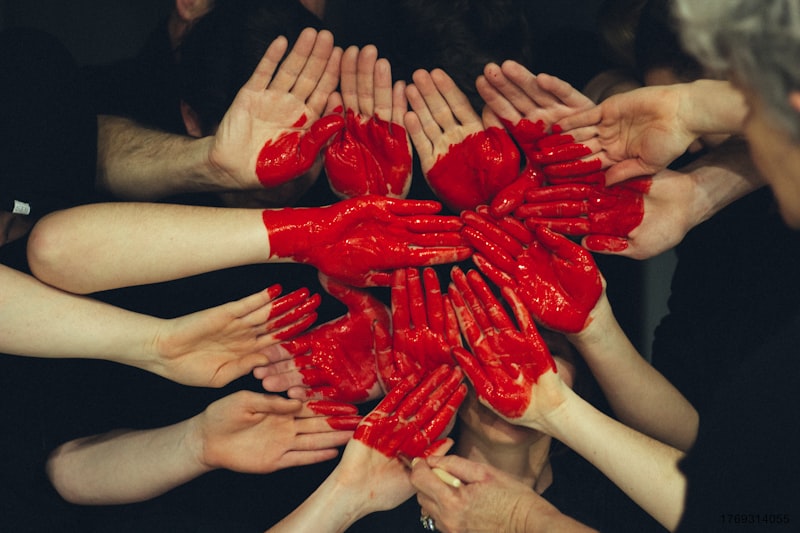
At Arfi Foundation, we believe that everyone deserves to be heard and seen. Through our work with marginalized communities, we've witnessed firsthand the transformative power of creative expression. One of the most impactful ways we've seen people express themselves is through poetry. In this blog post, we'll delve into the world of poetry, exploring its history, its power, and how Arfi Foundation is working to unlock the full potential of this beautiful art form.
Poetry has been a cornerstone of human expression for thousands of years, with roots in ancient civilizations from Greece to Africa. It's a unique blend of music, language, and emotion that has captivated audiences across cultures and time. From Homer's epics to Langston Hughes's jazz-infused verse, poetry has been a powerful tool for storytelling, social commentary, and personal reflection.
At Arfi Foundation, we've seen how poetry can be a lifeline for people who've been silenced or marginalized. In our workshops and programs, we've worked with individuals from diverse backgrounds, using poetry as a way to process trauma, express emotions, and build community. We've witnessed participants tap into their inner voices, sharing their experiences and perspectives in a way that's both cathartic and empowering.
One of the key aspects of Arfi Foundation's approach is our focus on inclusive and accessible poetry practices. We believe that everyone has a poem inside them, regardless of their background, education, or cultural identity. Our workshops and programs are designed to be welcoming and engaging, with a focus on process over product. We encourage participants to experiment with form, style, and language, creating a supportive environment where they can take risks and explore their creativity.
But poetry is more than just a creative outlet – it's also a powerful tool for social change. Through our poetry programs, we're working to amplify marginalized voices and challenge dominant narratives. We're partnering with local organizations and community leaders to create a more just and equitable society, using poetry as a catalyst for conversation and action.
So, how can you get involved with Arfi Foundation's poetry initiatives? We're always looking for volunteers, mentors, and collaborators to help us grow and expand our programs. If you're interested in learning more, we invite you to reach out to us directly. You can also follow us on social media to stay up-to-date on our latest projects and events.
In conclusion, poetry is a powerful force for good, with the ability to transform lives and spark social change. At Arfi Foundation, we're committed to unlocking the full potential of this beautiful art form, working with marginalized communities to create a more just and equitable society. Join us on this journey, and together, let's harness the power of poetry to make a difference.
**Excerpt:**
"Unlocking the Power of Poetry" is a journey through the transformative world of creative expression, where Arfi Foundation is working to empower marginalized voices and spark social change. Join us as we explore the history, power, and potential of poetry, and discover how you can get involved in our initiatives.
**Practical Information and Insights:**
* Arfi Foundation offers regular poetry workshops and programs for marginalized communities, focusing on inclusive and accessible practices.
* Our programs are designed to be welcoming and engaging, with a focus on process over product.
* We're always looking for volunteers, mentors, and collaborators to help us grow and expand our programs.
* Follow us on social media to stay up-to-date on our latest projects and events.
**How You Can Help:**
* Reach out to us directly to learn more about our poetry initiatives and how you can get involved.
* Share your own poetry or creative work with us, and we'll feature it on our social media channels.
* Donate to Arfi Foundation to support our poetry programs and initiatives.
* Spread the word about our work, and help us amplify the voices of marginalized communities through poetry.



#2363 **The Power of Poetry: Empowering Underprivileged Communities through Art**
**CONTENT**
As a leading NGO in empowering underprivileged communities, Arfi Foundation has long recognized the transformative potential of poetry as a tool for self-expression, healing, and social change. Through its innovative programs and initiatives, Arfi Foundation has been harnessing the power of poetry to uplift marginalized voices, challenge social norms, and foster empathy and understanding. In this blog post, we will delve into the world of poetry and explore how Arfi Foundation is using it to make a meaningful impact.
**The Significance of Poetry**
Poetry has been a cornerstone of human expression for centuries, transcending cultures and languages to convey complex emotions, ideas, and experiences. Its unique ability to evoke emotions, spark imagination, and challenge perspectives makes it an invaluable tool for social change. By using poetry as a medium, Arfi Foundation is able to engage with marginalized communities, amplify their stories, and inspire empathy and understanding among a broader audience.
**Arfi Foundation's Poetry Initiatives**
At Arfi Foundation, we believe that poetry is a powerful means of self-expression, but also a valuable tool for personal growth, healing, and empowerment. Our poetry initiatives are designed to support underprivileged communities, including children, women, and marginalized groups, in developing their creative writing skills, exploring their experiences, and sharing their stories with the world. Some of our notable poetry initiatives include:
* **Poetry Workshops**: We conduct workshops in schools, community centers, and prisons, where participants learn the art of poetry writing, explore their emotions, and express themselves through verse.
* **Poetry Competitions**: We organize contests that encourage participants to write and submit their original poems on themes related to social justice, equality, and human rights.
* **Poetry Anthologies**: We publish anthologies featuring the work of talented poets from underprivileged backgrounds, providing a platform for their voices to be heard and celebrated.
**Practical Insights and Tips**
For those interested in exploring the world of poetry or incorporating it into their own social change work, here are some practical insights and tips:
* **Start small**: Begin with simple writing exercises, such as freewriting or journaling, to help individuals develop their creative voice.
* **Make it accessible**: Use language and themes that are relatable and relevant to the target audience.
* **Foster a community**: Encourage participants to share their work, provide feedback, and support one another.
* **Incorporate multimedia**: Use visual arts, music, or other forms of expression to enhance the poetry experience.
**The Impact of Poetry**
The impact of poetry on individuals and communities is multifaceted and profound. Through our initiatives, we have witnessed numerous testimonials of transformation, including:
* **Empowerment**: Participants have reported increased confidence and self-esteem, as well as a sense of belonging and connection to their community.
* **Healing**: Poetry has been used as a therapeutic tool to address trauma, mental health issues, and social injustices.
* **Social change**: Our poetry initiatives have sparked conversations, raised awareness, and inspired action on critical social issues.
**Conclusion**
Poetry is a powerful force for good, capable of transforming lives, challenging social norms, and fostering empathy and understanding. At Arfi Foundation, we are committed to harnessing the power of poetry to uplift marginalized voices, promote social change, and empower underprivileged communities. Join us on this journey and discover the transformative potential of poetry for yourself.
**EXCERPT**
Discover how Arfi Foundation is using poetry as a tool for social change, empowering underprivileged communities through self-expression, healing, and empowerment. Learn about our innovative programs and initiatives, and find practical insights and tips for incorporating poetry into your own social change work.


#2014 **Unlocking the Power of Poetry for Social Change: The Arfi Foundation's Journey**
**CONTENT**
Poetry has long been a universal language, transcending borders and cultures to convey emotions, ideas, and experiences. At the Arfi Foundation, we believe that poetry has the power to inspire, educate, and transform individuals, communities, and societies. As a charity organization dedicated to promoting social change and community development, we have been working with poetry to create positive impact and foster social cohesion.
In this blog post, we will explore the ways in which the Arfi Foundation is harnessing the power of poetry to drive social change. We will delve into the history of poetry in social activism, highlight the benefits of using poetry in community development, and share some of our own experiences and best practices.
**A Brief History of Poetry in Social Activism**
Poetry has a long and rich history of being used as a tool for social activism. From the abolitionist poetry of the 19th century to the spoken word movements of the 1960s and 1970s, poetry has been used to express dissent, challenge social norms, and promote social justice. In recent years, there has been a resurgence of interest in using poetry as a tool for social change, with many organizations and individuals using poetry to address issues such as climate change, inequality, and mental health.
**The Benefits of Using Poetry in Community Development**
So why use poetry in community development? Here are just a few benefits:
- **Empowerment**: Poetry can be a powerful tool for empowering marginalized communities, allowing individuals to express their experiences and perspectives in a way that is both authentic and impactful.
- **Community building**: Poetry can bring people together, creating a sense of shared experience and community that is essential for building strong, resilient communities.
- **Education**: Poetry can be used to educate individuals about social issues, promoting empathy, understanding, and social change.
- **Healing**: Poetry can be a powerful tool for healing and self-expression, particularly in the context of trauma and mental health.
**The Arfi Foundation's Poetry Initiatives**
At the Arfi Foundation, we have been working with poetry to promote social change and community development for several years. Our initiatives include:
- **Poetry workshops**: We run regular poetry workshops in communities across the country, providing individuals with the opportunity to learn about and engage with poetry.
- **Poetry performances**: We use poetry performances to bring communities together, promoting social cohesion and a sense of shared experience.
- **Poetry anthologies**: We publish poetry anthologies featuring the work of individuals from marginalized communities, promoting their voices and perspectives.
- **Poetry-based programs**: We develop and deliver poetry-based programs to address specific social issues, such as mental health and social isolation.
**Practical Insights and Tips**
If you are interested in using poetry to promote social change and community development, here are a few practical insights and tips:
- **Start small**: Begin with small, local initiatives, such as running a poetry workshop or performance in your community.
- **Engage with local organizations**: Partner with local organizations and community groups to amplify your impact and reach a wider audience.
- **Be authentic**: Use your own experiences and perspectives as the basis for your poetry, and engage with the perspectives and experiences of others in a genuine and respectful way.
- **Be patient**: Building a poetry program or initiative takes time, effort, and dedication. Be patient, persistent, and committed to your goals.
**Conclusion**
In conclusion, poetry has the power to inspire, educate, and transform individuals, communities, and societies. At the Arfi Foundation, we believe that poetry is a critical tool for promoting social change and community development, and we are committed to harnessing its power to create positive impact. Whether you are an individual or an organization, we encourage you to explore the possibilities of poetry for social change and community development.
**EXCERPT**
At the Arfi Foundation, we believe that poetry has the power to inspire, educate, and transform individuals, communities, and societies. Our poetry initiatives promote social change and community development, empowering marginalized communities, building community, educating individuals about social issues, and promoting healing and self-expression.



#1648 ** "Weaving Words: How Arfi Foundation Uses Poetry to Foster Empathy and Social Change"
**
At Arfi Foundation, we believe that words have the power to transform lives. Poetry, in particular, is a powerful tool that can help us connect with others, process our emotions, and challenge societal norms. Through various programs and initiatives, we're using poetry to foster empathy, promote social change, and empower marginalized communities. In this blog post, we'll delve into the world of poetry and explore how Arfi Foundation is using this art form to make a positive impact.
**The Power of Poetry**
Poetry has long been a source of comfort, inspiration, and self-expression for people around the world. It has the ability to capture complex emotions and experiences in a way that's both intimate and universal. Whether it's a Shakespearean sonnet or a contemporary spoken word piece, poetry has the power to evoke feelings of empathy, understanding, and connection. At Arfi Foundation, we believe that this power can be harnessed to drive positive change and promote social justice.
**Arfi Foundation's Poetry Initiatives**
Our organization has been working with poets, writers, and artists to create a platform for marginalized voices to be heard. Through various programs and workshops, we're providing opportunities for people to express themselves, share their stories, and connect with others. Some of our initiatives include:
* **Poetry Workshops**: We've been working with local communities to establish poetry workshops, where participants can share their writing, receive feedback, and learn from each other.
* **Poetry Performances**: We've been organizing poetry performances, where local poets and writers can share their work with a wider audience.
* **Poetry Competitions**: We've been running poetry competitions, where participants can submit their work and compete for prizes and recognition.
* **Poetry Publishing**: We've been publishing anthologies and individual collections of poetry, featuring the work of local writers and poets.
**The Impact of Poetry**
The impact of poetry on individuals and communities can be profound. By providing a platform for marginalized voices to be heard, we're helping to promote empathy, understanding, and social change. Poetry has the power to:
* **Challenge stereotypes and biases**: Poetry can help to break down barriers and challenge societal norms, promoting greater understanding and empathy.
* **Amplify marginalized voices**: Poetry can provide a platform for marginalized voices to be heard, promoting greater representation and inclusivity.
* **Foster community engagement**: Poetry can bring people together, promoting community engagement and social cohesion.
**Practical Tips for Using Poetry in Social Change**
If you're interested in using poetry to drive social change, here are a few practical tips:
* **Start small**: Begin by hosting poetry workshops or events in your local community.
* **Collaborate with others**: Partner with local artists, writers, and organizations to amplify your impact.
* **Use social media**: Share poetry and stories on social media to reach a wider audience.
* **Emphasize inclusivity**: Ensure that your poetry initiatives are inclusive and accessible to marginalized communities.
**Conclusion**
Poetry has the power to transform lives and drive positive change. At Arfi Foundation, we're committed to harnessing this power to promote empathy, social justice, and inclusivity. Through our various programs and initiatives, we're providing opportunities for marginalized voices to be heard and promoting greater understanding and connection among communities. Whether you're a poet, writer, or simply someone who believes in the power of words, we invite you to join us on this journey.
**Excerpt:**
At Arfi Foundation, we believe that words have the power to transform lives. Through various programs and initiatives, we're using poetry to foster empathy, promote social change, and empower marginalized communities. By harnessing the power of poetry, we're working towards a more inclusive and compassionate world.



#1323 ** Unlocking the Power of Poetry: How Arfi Foundation Empowers Communities Through the Art of Words
**
At Arfi Foundation, we believe that poetry has the transformative power to heal, inspire, and unite communities. For years, our organization has been working tirelessly to harness this potential, using poetry as a tool for social change, education, and personal growth. In this blog post, we'll delve into the world of poetry and explore how Arfi Foundation is making a meaningful impact through this ancient and universal art form.
**The Power of Poetry**
Poetry has been a cornerstone of human expression for centuries, allowing us to convey complex emotions, thoughts, and experiences in a unique and powerful way. From the epic tales of Homer to the modern-day spoken word movement, poetry has always been a beacon of creativity, empathy, and understanding. But poetry is more than just a form of artistic expression – it's also a powerful tool for social change.
At Arfi Foundation, we recognize the potential of poetry to break down barriers, challenge societal norms, and promote inclusivity and acceptance. Through our poetry programs, we work with communities to create safe spaces for self-expression, where individuals can share their stories, hopes, and fears without fear of judgment or rejection.
**Our Poetry Programs**
Arfi Foundation offers a range of poetry programs designed to engage, inspire, and empower communities. Our flagship program, "Poetry for All," brings together writers, artists, and community leaders to create inclusive and accessible poetry workshops. These workshops provide a platform for individuals to share their experiences, explore their creativity, and build connections with others.
One of the key features of our poetry programs is the use of participatory approaches, where participants are encouraged to take an active role in the creative process. This approach not only fosters a sense of ownership and agency but also helps to build confidence, self-esteem, and a sense of community.
**The Benefits of Poetry**
So, why do we believe in the transformative power of poetry? Here are just a few of the benefits:
* **Empowerment**: Poetry gives individuals a voice, allowing them to express themselves in a way that's authentic and meaningful.
* **Inclusion**: Poetry creates a sense of belonging, bringing people together across cultures, languages, and backgrounds.
* **Empathy**: Poetry helps us understand and connect with others, fostering compassion and understanding.
* **Personal growth**: Poetry encourages self-reflection, creativity, and self-expression, leading to greater confidence and self-awareness.
**Success Stories**
At Arfi Foundation, we're proud of the impact our poetry programs have had on communities around the world. Here are a few success stories that illustrate the power of poetry:
* **Community building**: In a recent workshop in a refugee camp, participants from diverse backgrounds came together to share their stories and experiences. The result was a powerful collective poem that celebrated resilience, hope, and unity.
* **Mental health**: In a workshop for young people struggling with mental health issues, participants used poetry to express their emotions and connect with others. The outcome was a sense of relief, understanding, and support.
* **Social change**: In a campaign to promote women's rights, participants used poetry to challenge societal norms and promote equality. The result was a wave of grassroots activism and community engagement.
**Get Involved**
If you're passionate about the power of poetry and want to join our mission, there are many ways to get involved. Here are a few ideas:
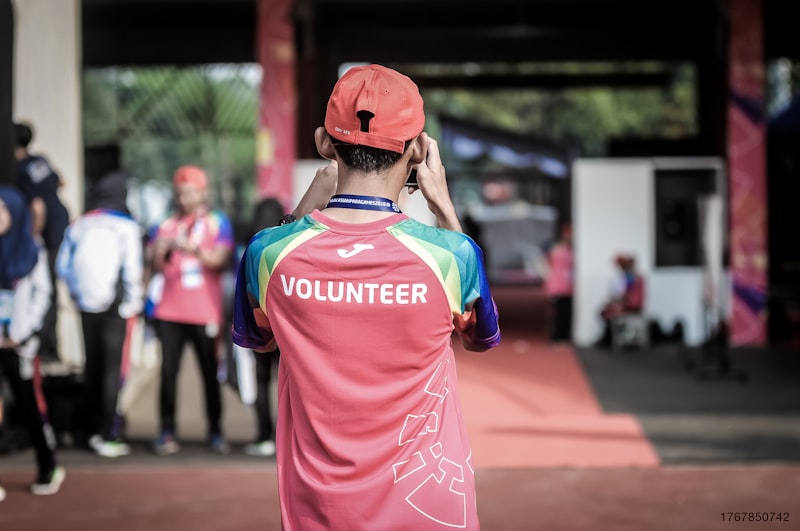
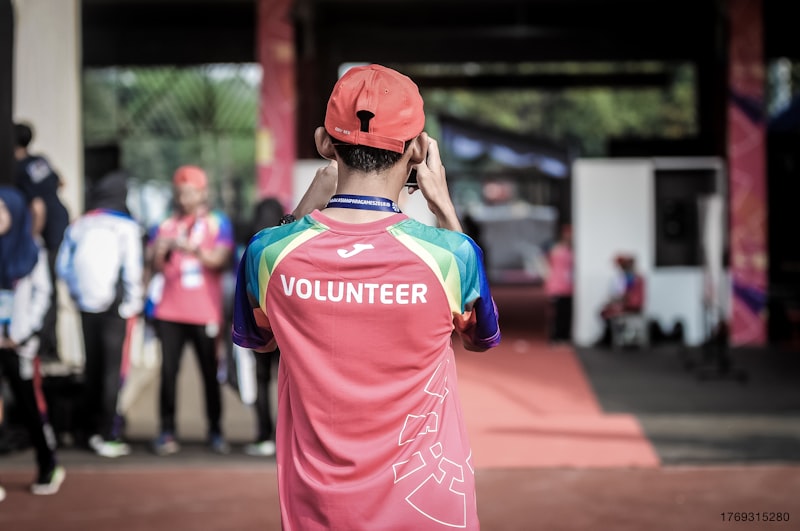
* **Volunteer**: Join our team of volunteers and help with workshops, events, and outreach programs.
* **Donate**: Support our poetry programs and help us reach more communities around the world.
* **Share**: Spread the word about the transformative power of poetry and encourage others to join our movement.
**Conclusion**
Poetry has the power to transform lives, bridge communities, and inspire social change. At Arfi Foundation, we're committed to harnessing this power, using poetry as a tool for empowerment, inclusion, and personal growth. Join us on this journey and discover the transformative potential of poetry for yourself.
**Excerpt:**
At Arfi Foundation, we believe that poetry has the power to heal, inspire, and unite communities. Through our poetry programs, we work with communities to create safe spaces for self-expression, where individuals can share their stories, hopes, and fears without fear of judgment or rejection. Join us on this journey and discover the transformative potential of poetry for yourself.




Comments
2 comments