#1897 ** Unlocking Human Potential: How Arfi Foundation Empowers Communities through Psychology
**
As a leading NGO, Arfi Foundation has been at the forefront of creating positive change in the lives of countless individuals and communities worldwide. One of the key areas where our foundation excels is in the application of psychology to drive meaningful transformation. In this blog post, we'll delve into the world of psychology and explore how Arfi Foundation is leveraging its expertise to empower communities, promote well-being, and foster resilience.
At its core, psychology is the scientific study of human behavior and mental processes. By applying psychological principles and practices, our foundation aims to understand the complexities of human behavior, identify areas of need, and develop effective interventions to address these challenges. From mental health and education to community development and social justice, our team of experts works tirelessly to apply psychology in innovative and impactful ways.
One of the primary ways we're making a difference is through our mental health programs. By providing accessible, stigma-free mental health services, we're helping individuals and families cope with trauma, anxiety, and other mental health issues. Our trained therapists and counselors work closely with clients to develop personalized treatment plans, which may include cognitive-behavioral therapy (CBT), psychodynamic therapy, or other evidence-based approaches. By addressing mental health needs, we're not only improving individual well-being but also enhancing community resilience.
Another key area where we're applying psychology is in education. Our team of educational psychologists works closely with teachers, schools, and community leaders to develop evidence-based programs that promote academic achievement, social-emotional learning, and character development. By incorporating psychological principles into educational practices, we're helping young people develop essential skills, such as self-awareness, self-regulation, and social skills, which are critical for success in school and beyond.
At Arfi Foundation, we're also committed to promoting social justice and community development through psychology. By working with local leaders, community organizations, and government agencies, we're helping to build stronger, more inclusive communities. Our team of community psychologists applies psychological principles to identify and address social issues, such as poverty, inequality, and social exclusion. By fostering collaboration and collective action, we're helping to create positive change at the community level.
So, how can you get involved and support Arfi Foundation's work in psychology? Here are a few ways:
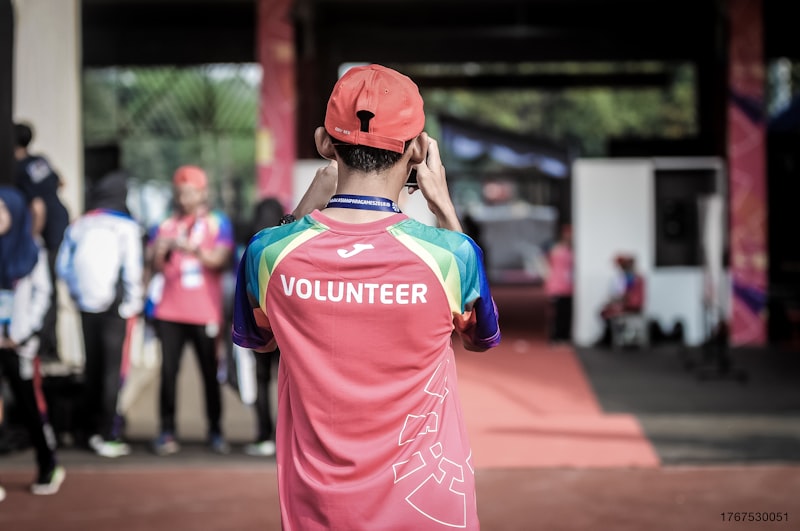
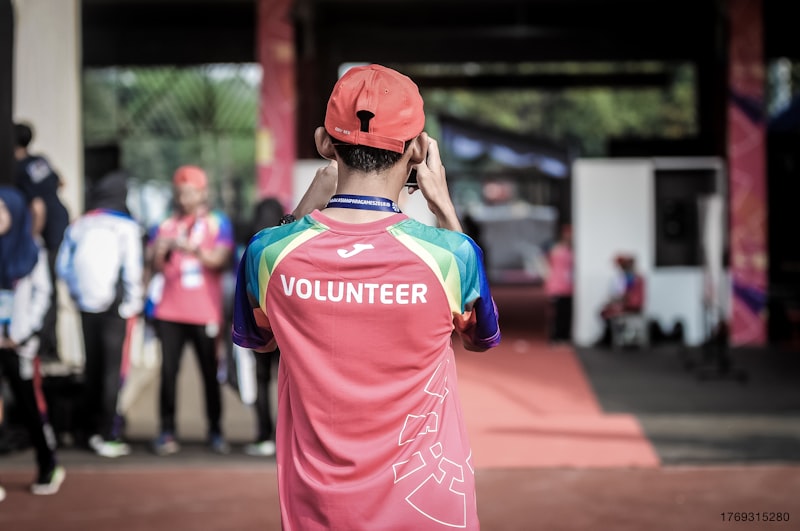
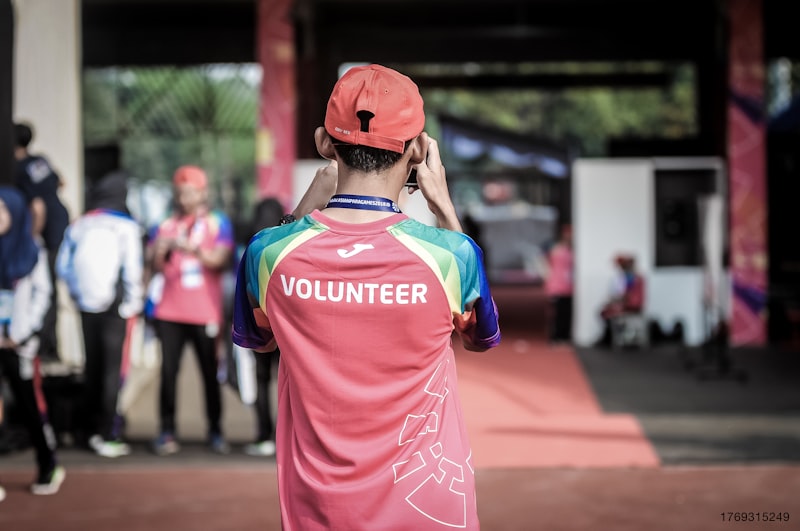
* **Volunteer:** Join our community of volunteers and help us deliver our programs and services.
* **Donate:** Your financial support will help us continue to provide vital services and programs to those who need them most.
* **Spread the word:** Share our work with your network and help us raise awareness about the importance of psychology in creating positive change.
In conclusion, psychology is a powerful tool for creating positive change in the world. At Arfi Foundation, we're committed to applying psychological principles and practices to drive meaningful transformation in communities worldwide. By working together, we can unlock human potential, promote well-being, and foster resilience. Join us on this journey and help us make a difference in the lives of countless individuals and communities.
**EXCERPT:** At Arfi Foundation, we're harnessing the power of psychology to drive positive change in communities worldwide. From mental health and education to community development and social justice, our team of experts is applying psychological principles and practices to create lasting impact. Join us as we unlock human potential and promote well-being in the lives of countless individuals and communities.



Related Posts
#2944 ** Unlocking Human Potential: How Arfi Foundation Empowers through Psychology
**
Psychology is the study of the human mind and behavior, and it plays a vital role in understanding and addressing the complex issues affecting marginalized communities worldwide. At Arfi Foundation, we recognize the transformative power of psychology and its potential to bring about positive change. Our organization has been working tirelessly to provide psychological support and services to those who need it most, empowering them to overcome adversity, build resilience, and achieve their full potential.
**Breaking Down Barriers: Understanding Psychology**
Psychology is a multidisciplinary field that encompasses various branches, including clinical psychology, social psychology, cognitive psychology, and developmental psychology. Each branch offers valuable insights into the human experience, helping us understand the intricate relationships between thoughts, emotions, and behaviors. By applying psychological principles and theories, Arfi Foundation's team of experts is able to develop effective interventions and programs that cater to the unique needs of our beneficiaries.
**Empowering Communities through Psychological Support**
At Arfi Foundation, we believe that every individual has the right to access high-quality psychological support. Our team of licensed psychologists and counselors provides a range of services, including individual and group therapy, counseling, and psychoeducation. We work closely with our beneficiaries to understand their strengths, challenges, and goals, tailoring our support to meet their specific needs. By doing so, we empower individuals to develop coping strategies, build resilience, and overcome adversity.
**Building Resilience through Community-Based Programs**
Arfi Foundation's community-based programs aim to foster a supportive environment where individuals can grow and thrive. Our programs focus on building resilience, promoting mental health, and enhancing overall well-being. We engage with local communities, schools, and organizations to develop programs that address specific needs and concerns. From workshops and training sessions to support groups and peer mentoring, our programs are designed to empower individuals and promote positive change.
**Mental Health Matters: Addressing Stigma and Normalizing Conversations**
Mental health is a critical aspect of overall well-being, yet it remains a taboo topic in many societies. At Arfi Foundation, we believe that mental health matters and that every individual deserves to access quality support and resources. We work to break down stigmas and normalize conversations around mental health, promoting a culture of understanding and acceptance. By doing so, we encourage individuals to speak openly about their struggles and seek help when needed.
**Practical Insights: How You Can Make a Difference**
Psychology is a powerful tool that can be applied in various settings, from education and healthcare to community development and social justice. If you're interested in making a meaningful impact in the lives of marginalized communities, here are some practical insights to consider:
* **Volunteer**: Join Arfi Foundation's team of volunteers and contribute your skills and expertise to our programs and initiatives.
* **Donate**: Support our mission by donating to Arfi Foundation. Your contribution will help us provide critical psychological support and services to those who need it most.
* **Spread Awareness**: Share our stories and raise awareness about the importance of psychology and mental health. Together, we can break down stigmas and promote a culture of understanding and acceptance.
**Conclusion: Unlocking Human Potential**
At Arfi Foundation, we believe that every individual has untapped potential waiting to be unleashed. Through our comprehensive approach to psychology, we empower marginalized communities to overcome adversity, build resilience, and achieve their full potential. By understanding the transformative power of psychology, we can make a meaningful impact in the lives of those who need it most. Join us in our mission to unlock human potential and create a brighter future for all.




#2595 **Empowering Lives, Transforming Minds: The Power of Psychology at Arfi Foundation**
**EXCERPT:** At Arfi Foundation, we believe that psychology plays a vital role in empowering individuals, especially those in vulnerable situations. Our work in psychology focuses on providing emotional support, promoting mental well-being, and fostering resilience among our beneficiaries. In this blog post, we delve into the world of psychology, highlighting the impact of our initiatives and providing insights into the transformative power of this field.
**CONTENT:**
As a leading NGO/charity organization, Arfi Foundation is committed to making a positive impact on the lives of individuals, families, and communities. Our mission is to empower and transform lives, and one of the key areas we focus on is psychology. Psychology is the scientific study of behavior and mental processes, and it plays a crucial role in understanding human behavior, emotions, and experiences.
At Arfi Foundation, our psychology initiatives are designed to provide emotional support, promote mental well-being, and foster resilience among our beneficiaries. We recognize that mental health is an essential aspect of overall well-being, and our programs are tailored to address the unique needs of our beneficiaries.
**The Importance of Psychology in Our Work:**
Our psychology initiatives are grounded in research and evidence-based practices, ensuring that our interventions are effective and sustainable. We work with a team of trained psychologists, counselors, and therapists who provide emotional support, counseling, and therapy services to our beneficiaries. Our programs focus on building resilience, promoting mental well-being, and fostering positive relationships.
One of the key areas we focus on is trauma-informed care. We recognize that many of our beneficiaries have experienced trauma, and our programs are designed to provide a safe and supportive environment for them to process their emotions and experiences. Our trauma-informed care approach is grounded in the principles of trauma-sensitive practice, which emphasizes the importance of creating a safe, supportive, and empowering environment for individuals who have experienced trauma.
**Practical Insights and Information:**
So, what can you do to support someone who is struggling with mental health issues? Here are some practical insights and information:
1. **Listen without judgment:** Sometimes, all someone needs is someone to listen to them without judgment. Offer a supportive ear and create a safe space for them to express themselves.
2. **Encourage self-care:** Encourage the person to engage in activities that promote self-care, such as exercise, meditation, or hobbies.
3. **Connect them with resources:** Connect the person with mental health resources, such as counseling services, support groups, or hotlines.
4. **Be patient and understanding:** Mental health issues can be complex and challenging to navigate. Be patient and understanding, and avoid making assumptions or jumping to conclusions.
**The Impact of Our Psychology Initiatives:**
Our psychology initiatives have had a profound impact on the lives of our beneficiaries. We have seen individuals who were struggling with mental health issues experience significant improvements in their well-being and resilience. Our programs have also helped to build stronger, more positive relationships between individuals and their families and communities.
**Conclusion:**
Psychology plays a vital role in empowering individuals, especially those in vulnerable situations. At Arfi Foundation, we are committed to providing emotional support, promoting mental well-being, and fostering resilience among our beneficiaries. Our psychology initiatives are grounded in research and evidence-based practices, ensuring that our interventions are effective and sustainable. We invite you to join us in our mission to empower and transform lives through the power of psychology.
**Get Involved:**
If you are interested in learning more about our psychology initiatives or would like to get involved, please visit our website or contact us directly. Together, we can make a positive impact on the lives of individuals, families, and communities.
**Donate:**
Your donation can help us continue to provide vital psychology services to our beneficiaries. Please consider making a donation today to support our work.
**Volunteer:**
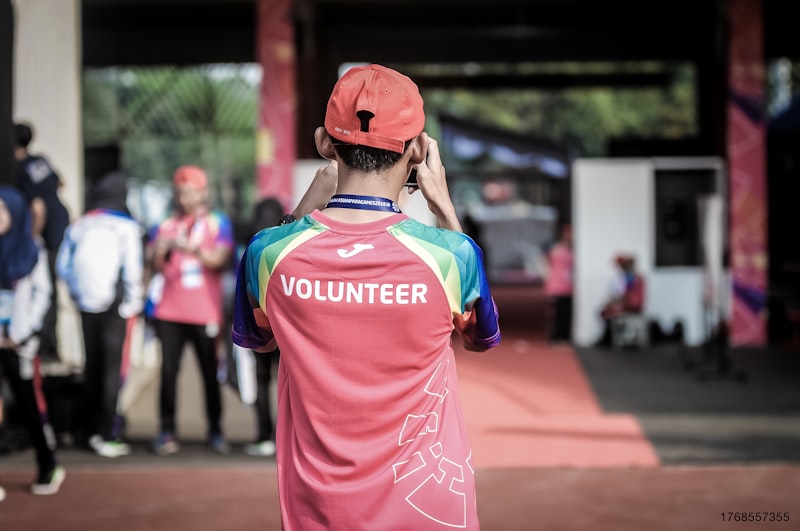
If you are interested in volunteering with us, please contact us directly to learn more about our volunteer opportunities.
**Stay Connected:**
Stay up-to-date with our latest news and updates by following us on social media or subscribing to our newsletter.



#2246 ** "Unlocking Human Potential: How Arfi Foundation Uses Psychology to Create Positive Change"
**
At Arfi Foundation, we believe that every individual has the potential to thrive and make a positive impact in their community. As an organization dedicated to empowering vulnerable populations, we recognize the critical role that psychology plays in achieving this goal. In this blog post, we'll delve into the world of psychology and explore how Arfi Foundation uses its principles to create lasting change.
**Understanding Psychology at Arfi Foundation**
Psychology is the study of human behavior and mental processes. It's a vast field that encompasses various branches, including clinical psychology, cognitive psychology, and social psychology. At Arfi Foundation, we draw from these branches to develop evidence-based interventions that address the complex needs of our beneficiaries.
Our team of experts works closely with psychologists, social workers, and community leaders to design programs that promote mental well-being, self-awareness, and resilience. By leveraging the principles of psychology, we aim to empower individuals to overcome adversity, build strong relationships, and make informed decisions about their lives.
**The Power of Positive Psychology**
Positive psychology is a branch of psychology that focuses on promoting mental well-being and happiness. At Arfi Foundation, we incorporate positive psychology principles into our programs to help individuals develop a growth mindset, build self-esteem, and cultivate gratitude.
Our positive psychology programs include activities such as mindfulness meditation, gratitude journaling, and positive affirmations. These exercises help individuals develop a more optimistic outlook, build resilience, and improve their overall mental well-being.
**The Importance of Trauma-Informed Care**
Trauma-informed care is a critical component of our work at Arfi Foundation. We recognize that many of our beneficiaries have experienced trauma, whether it's related to conflict, abuse, or neglect. Our team of experts has received specialized training in trauma-informed care, which enables us to create safe and supportive environments for our beneficiaries.
Our trauma-informed care programs include activities such as art therapy, psychoeducation, and counseling. These programs help individuals process their trauma, develop coping strategies, and rebuild their sense of self.
**Working with Communities**
At Arfi Foundation, we believe that community is at the heart of everything we do. We work closely with local communities to develop programs that respond to their unique needs and challenges.
Our community-based programs include initiatives such as community outreach, social support groups, and economic empowerment programs. These programs help build strong relationships between individuals, families, and communities, and promote a sense of belonging and connection.
**Real-Life Examples of Arfi Foundation's Work**
At Arfi Foundation, we've seen firsthand the impact of psychology on individuals and communities. One of our recent projects involved working with a group of refugee women who had experienced trauma and displacement.
We developed a program that included positive psychology exercises, trauma-informed care, and community-based activities. The program helped the women develop a sense of self, build resilience, and connect with their community.
Another example involved working with a group of young people who were at risk of dropping out of school. We developed a program that included cognitive-behavioral therapy, social skills training, and mentorship.
The program helped the young people develop a growth mindset, build self-esteem, and improve their academic performance.
**Conclusion**
At Arfi Foundation, we believe that psychology is a powerful tool for creating positive change. By incorporating the principles of psychology into our programs, we've seen individuals and communities transform in profound ways.
We're committed to continuing our work in psychology and exploring new ways to apply its principles to create lasting change. If you're interested in learning more about our work or would like to support our initiatives, please don't hesitate to get in touch.
**EXCERPT:**
"Unlocking human potential is at the heart of Arfi Foundation's work. By leveraging psychology principles, we're empowering individuals and communities to thrive and create positive change. From positive psychology to trauma-informed care, our programs are designed to promote mental well-being, self-awareness, and resilience."


#1536 **Empowering Minds: How Arfi Foundation Applies Psychology for Positive Change**
**CONTENT**
At Arfi Foundation, we're dedicated to creating a world where everyone has the opportunity to thrive. In our mission to support vulnerable communities, we recognize the immense value of psychology in driving lasting change. In this blog post, we'll delve into the world of psychology, exploring how it informs our work and the practical applications that make a tangible difference in people's lives.
**What is Psychology?**
Psychology is the scientific study of behavior and mental processes. It's an interdisciplinary field that draws on insights from sociology, anthropology, philosophy, and more to understand human behavior and mental health. Psychology is essential in addressing various social issues, including mental health, education, and community development.
**Arfi Foundation's Approach to Psychology**
At Arfi Foundation, we believe that psychology is a powerful tool for creating positive change. Our approach is centered on the principles of positive psychology, which focuses on promoting well-being, resilience, and happiness. We work with local communities to understand their unique needs and develop tailored interventions that address the root causes of social problems.
**Practical Applications of Psychology in Our Work**
So, how does psychology play out in our daily work? Here are a few examples of how we apply psychological insights to make a difference:
1. **Mental Health Support:** We provide counseling services and mental health support to individuals affected by conflict, displacement, and trauma. Our psychologists work with clients to develop coping strategies, build resilience, and improve their overall well-being.
2. **Community Engagement:** We engage with local communities to understand their needs and concerns. This helps us develop targeted interventions that address social issues, such as education, healthcare, and economic empowerment.
3. **Education and Training:** We offer training programs for community workers, teachers, and healthcare professionals on topics like child development, parenting, and mental health. This enhances their capacity to support vulnerable individuals and families.
4. **Program Evaluation:** We use psychological principles to evaluate the effectiveness of our programs. This ensures that we're making a meaningful impact and that our interventions are meeting the needs of the communities we serve.
**Insights from Our Work**
Our experiences have taught us several valuable lessons about the power of psychology in driving positive change. Here are a few key takeaways:
1. **Context Matters:** Psychology is deeply context-dependent. What works in one community may not work in another. Our approach is tailored to the unique needs and circumstances of each community we serve.
2. **Resilience is Key:** People have an incredible capacity for resilience and adaptation. Our work focuses on building on this existing strength, rather than trying to change individuals or communities entirely.
3. **Collaboration is Essential:** We recognize that psychology is a team effort. We work closely with local partners, community leaders, and experts to develop and implement effective interventions.
**Conclusion**
Psychology is a powerful force for positive change, and at Arfi Foundation, we're committed to harnessing its potential. By applying psychological insights to our work, we're able to make a tangible difference in people's lives. Whether it's supporting mental health, engaging with local communities, or evaluating program effectiveness, psychology is an essential tool in our mission to create a world where everyone can thrive.
**EXCERPT**
At Arfi Foundation, we're dedicated to using psychology to drive positive change in vulnerable communities. From mental health support to community engagement, we apply psychological insights to develop targeted interventions that address the root causes of social problems. By collaborating with local partners and experts, we're making a tangible difference in people's lives.




#1120 Revisited: is curiosity the key to ageing well? – podcast
Psychologists have typically believed that we become less curious as we age, but recent research has shown curiosity actually becomes more targeted and specific in our later years. In this episode from September, Madeleine Finlay hears from Dr Mary Whatley, an assistant professor of psychology at Western Carolina University, and Dr Matthias Gruber of Cardiff University’s Brain Research Imaging Centre to find out why we change in this way, and how maintaining broad curiosity into older age can help keep our brains young
Support the Guardian: theguardian.com/sciencepod
Continue reading...





Comments
1 comments