#1371 **TRAVEL SAFETY 101: PROTECTING OUR GLOBAL VOLUNTEERS AND COMMUNITIES**
**CONTENT**
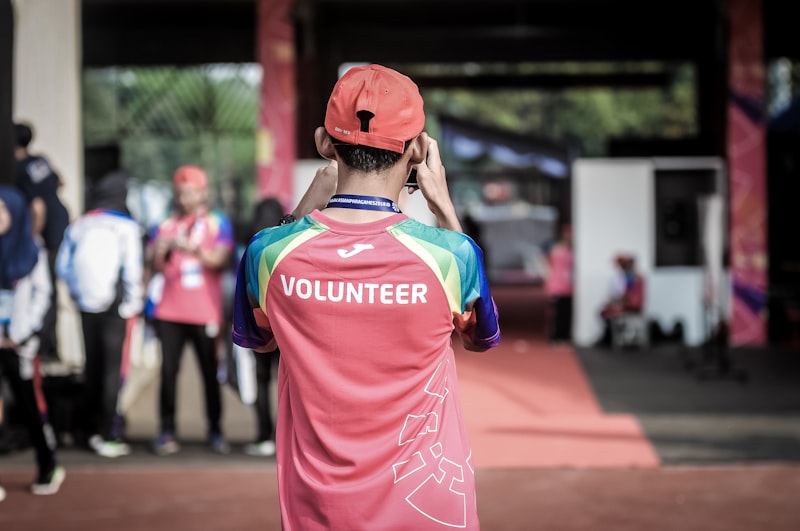
At Arfi Foundation, we understand that travel safety is a top priority for our volunteers, donors, and team members who embark on missions to support marginalized communities worldwide. As an organization committed to empowering vulnerable populations through education, healthcare, and sustainable development, we take the safety and security of our stakeholders very seriously. In this blog post, we'll share our expertise on travel safety, highlighting best practices, real-world experiences, and the measures we take to ensure a safe and successful experience for all involved.
**Understanding the Risks**
When traveling to unfamiliar territories, it's essential to be aware of the potential risks and take proactive steps to mitigate them. This includes researching the local culture, understanding local laws and customs, and being mindful of one's surroundings. At Arfi Foundation, we conduct thorough risk assessments for each mission, taking into account factors such as local conflict, health concerns, and environmental hazards. Our team also stays up-to-date on the latest travel advisories and government warnings to ensure we're always informed.
**Pre-Travel Preparation**
Before embarking on a mission, our volunteers undergo comprehensive safety training, which includes:
1. **Cultural awareness**: Understanding local customs, traditions, and social norms to avoid unintended offense or misunderstanding.
2. **Emergency preparedness**: Learning basic first aid, evacuation procedures, and communication protocols in case of an emergency.
3. **Security protocols**: Familiarizing themselves with local security measures, such as safe zones, emergency contact numbers, and evacuation routes.
4. **Health and vaccination requirements**: Ensuring they're up-to-date on all necessary vaccinations and taking necessary precautions to prevent illnesses.
**Staying Safe on the Ground**
While traveling, our volunteers are advised to:
1. **Stay informed**: Continuously monitor local news, government advisories, and our organization's communication channels for updates on safety and security.
2. **Be aware of their surroundings**: Keeping a low profile, avoiding areas of high risk, and being mindful of their belongings.
3. **Use trusted transportation**: Using reputable transportation services, such as taxis or private drivers, and avoiding public transportation during peak hours.
4. **Stay connected**: Keeping in touch with our team and local contacts to report any concerns or issues.
**Supporting Our Volunteers**
At Arfi Foundation, we recognize that travel safety is a shared responsibility between our volunteers and our organization. We provide:
1. **Ongoing support**: Regular check-ins, safety briefings, and emergency contact numbers to ensure our volunteers feel supported and connected.
2. **Risk management tools**: Utilizing technology, such as GPS tracking and secure messaging apps, to monitor our volunteers' safety and respond to emergencies.
3. **Training and capacity building**: Providing our volunteers with the skills and knowledge they need to navigate challenging situations and make informed decisions.
**Conclusion**
Travel safety is a critical aspect of our mission at Arfi Foundation. By understanding the risks, preparing thoroughly, and staying informed, we can minimize the chances of accidents or incidents and ensure a successful experience for our volunteers and the communities we serve. At Arfi Foundation, we're committed to protecting our stakeholders and empowering marginalized communities worldwide.
**EXCERPT**
At Arfi Foundation, we prioritize travel safety to ensure our volunteers and communities are protected. From pre-travel preparation to ongoing support, we take a comprehensive approach to mitigating risks and promoting a safe and successful experience. By understanding the risks and taking proactive steps, we can make a meaningful impact while keeping our stakeholders safe.



Related Posts
#3121 ** "Staying Safe on the Move: Arfi Foundation's Commitment to Travel Safety for Our Beneficiaries and Staff"
**
As an organization dedicated to making a positive impact on the lives of vulnerable individuals and communities, the Arfi Foundation understands the importance of ensuring the safety and well-being of our beneficiaries, staff, and volunteers. Travel safety is a critical aspect of our operations, particularly when working in remote or high-risk areas. In this blog post, we will delve into the measures we take to prioritize travel safety and provide practical insights for our staff, volunteers, and partners.
**Why Travel Safety Matters**
Travel safety is a top concern for Arfi Foundation, given the diverse range of projects and locations we operate in. Our staff and volunteers may travel to areas with high crime rates, natural disasters, or conflict zones, where the risk of injury, illness, or even abduction is a real concern. By prioritizing travel safety, we can minimize these risks and ensure that our teams can focus on delivering effective programs and services to those who need them most.
**Arfi Foundation's Travel Safety Policy**
At Arfi Foundation, we have a comprehensive travel safety policy in place, which outlines the procedures and protocols for staff and volunteers to follow when traveling to new or unfamiliar locations. Our policy covers topics such as:
* Pre-travel planning and risk assessment
* Travel documentation and emergency contact procedures
* Accommodation and transportation arrangements
* Health and safety protocols
* Communication and reporting requirements
Our policy is regularly reviewed and updated to reflect changing circumstances and best practices in travel safety.
**Practical Tips for Travel Safety**
While our travel safety policy provides a framework for our staff and volunteers, we also recognize the importance of individual responsibility and preparedness. Here are some practical tips for staying safe on the move:
* Research your destination thoroughly and stay informed about local conditions
* Register with your government's travel advisory department and stay up-to-date with safety alerts
* Pack essential items such as a first-aid kit, phone charger, and emergency contact information
* Stay in touch with family and friends back home and let them know your itinerary
* Trust your instincts and be aware of your surroundings
**Supporting Our Beneficiaries**
In addition to prioritizing the safety of our staff and volunteers, we also recognize the importance of supporting our beneficiaries in terms of travel safety. For example, we may provide transportation assistance or accompaniment for beneficiaries who are traveling to receive medical treatment or other essential services.
**Conclusion**
Travel safety is a critical aspect of Arfi Foundation's operations, and we take a comprehensive and proactive approach to ensuring the safety and well-being of our staff, volunteers, and beneficiaries. By prioritizing travel safety, we can minimize risks and maximize the impact of our programs and services. We hope that this blog post has provided useful insights and practical tips for our staff, volunteers, and partners.
**EXCERPT:** "Arfi Foundation prioritizes travel safety to ensure the well-being of our staff, volunteers, and beneficiaries. With a comprehensive travel safety policy in place, we minimize risks and maximize the impact of our programs and services. Learn how we stay safe on the move and how you can too."



#2772 ** "Safety in Motion: Enhancing Travel Security for Vulnerable Communities with Arfi Foundation"
**
As a global NGO, Arfi Foundation is committed to empowering vulnerable communities worldwide. Our work takes us to diverse regions, often in areas with high levels of crime, conflict, or natural disasters. Ensuring the safety of our staff, partners, and beneficiaries is a top priority. In this blog post, we'll delve into the importance of travel safety, share our approach to mitigating risks, and provide practical tips for navigating high-risk environments.
**Why Travel Safety Matters**
Travel safety is a critical concern for any organization operating in diverse environments. When traveling to unfamiliar areas, individuals are more vulnerable to theft, harassment, and even physical harm. In areas with conflict, terrorism, or instability, the risks are even greater. According to the United Nations, an estimated 1,400 aid workers are injured or killed each year while working in conflict zones. These statistics underscore the need for robust safety protocols and awareness.
**Arfi Foundation's Approach to Travel Safety**
At Arfi Foundation, we take a proactive and comprehensive approach to travel safety. Our team conducts thorough risk assessments for each destination, considering factors such as crime rates, conflict zones, and local customs. We develop tailored safety plans for each project, which include:
1. **Staff Training**: Our team members undergo regular safety training, which covers topics such as conflict resolution, emergency first aid, and cultural awareness.
2. **Risk Mitigation**: We implement measures to reduce risks, such as using secure transportation, avoiding high-risk areas, and carrying essential safety equipment.
3. **Communication**: We maintain regular contact with our staff and partners, ensuring they are aware of any potential safety concerns and can seek assistance promptly.
4. **Emergency Preparedness**: We establish emergency response plans, which include evacuation procedures, first aid kits, and communication protocols.
**Practical Tips for Travel Safety**
While our team takes a proactive approach to travel safety, there are also steps individuals can take to minimize risks:
1. **Research**: Thoroughly research your destination, staying informed about local conditions, customs, and potential safety concerns.
2. **Stay Informed**: Register with your government's travel advisory program and stay up-to-date with local news and alerts.
3. **Travel Wisely**: Avoid carrying large amounts of cash, use reputable transportation services, and be cautious of strangers.
4. **Stay Connected**: Keep your loved ones informed about your itinerary and check in regularly.
5. **Trust Your Instincts**: If a situation feels uncomfortable or suspicious, trust your instincts and seek assistance.
**Conclusion**
Travel safety is a critical concern for any organization operating in diverse environments. At Arfi Foundation, we prioritize staff safety, taking a proactive and comprehensive approach to mitigating risks. By sharing our expertise and practical tips, we hope to empower individuals and organizations to navigate high-risk environments with confidence. Remember, safety is a shared responsibility – stay informed, stay safe, and stay connected.
**Excerpt:**
"Travel safety is a critical concern for any organization operating in diverse environments. At Arfi Foundation, we prioritize staff safety, taking a proactive and comprehensive approach to mitigating risks. By sharing our expertise and practical tips, we hope to empower individuals and organizations to navigate high-risk environments with confidence."




#2423 ** "Staying Safe While Exploring: Travel Safety Tips from the Experts at Arfi Foundation"
**
As a global organization dedicated to empowering marginalized communities, Arfi Foundation understands the importance of travel safety in achieving our mission. Whether we're deploying aid workers to disaster-stricken areas, sending volunteers to remote communities, or conducting assessments in high-risk zones, safety is always our top priority. In this blog post, we'll share our expertise on travel safety, covering essential tips, practical advice, and insights gained from years of experience working in challenging environments.
**Understanding Risk**
Before we dive into the practical aspects of travel safety, it's essential to understand the concept of risk. Risk is the likelihood of something going wrong, and it's always present when traveling, especially in unfamiliar or high-risk areas. At Arfi Foundation, we assess risk by identifying potential hazards, evaluating the likelihood of their occurrence, and developing strategies to mitigate them. This holistic approach ensures that our team members are prepared for any situation.
**Pre-Departure Preparation**
Preparation is key to staying safe while traveling. Before embarking on a journey, ensure you have:
1. **Valid travel documents**: Make sure your passport, visa, and any necessary travel permits are up to date and valid for the duration of your trip.
2. **Vaccinations and medications**: Consult your doctor and ensure you have all the necessary vaccinations and medications for the destinations you'll be visiting.
3. **Insurance**: Consider purchasing travel insurance that covers medical evacuations, trip cancellations, and other unexpected events.
4. **Research and planning**: Thoroughly research your destinations, including local customs, laws, and potential security concerns.
**In-Country Safety**
Once you're in-country, there are several steps you can take to stay safe:
1. **Stay informed**: Monitor local news and government advisories to stay up to date on any security concerns or travel warnings.
2. **Trust your instincts**: If a situation feels uncomfortable or suspicious, trust your instincts and remove yourself from the situation.
3. **Be aware of your surroundings**: Pay attention to your environment, including potential hazards like traffic, crime hotspots, and natural disasters.
4. **Connect with local networks**: Build relationships with local contacts, including community leaders, government officials, and other aid workers, to stay informed and receive timely advice.
**Staying Connected**
Communication is critical when traveling, especially in areas with limited infrastructure or unreliable internet connectivity. At Arfi Foundation, we prioritize staying connected with our team members and partners:
1. **Regular check-ins**: Schedule regular check-ins with team members to ensure everyone is safe and accounted for.
2. **Communication protocols**: Establish clear communication protocols, including emergency contact numbers, email addresses, and messaging apps.
3. **Social media monitoring**: Monitor social media platforms for any updates or alerts related to your destinations.
**Conclusion**
Travel safety is a critical aspect of our work at Arfi Foundation, and we take it seriously. By understanding risk, preparing thoroughly, staying informed, and staying connected, you can minimize your risk and stay safe while traveling. Remember, safety is everyone's responsibility, and we're committed to providing our team members with the resources and support they need to stay safe and effective in their work.
**EXCERPT:**
At Arfi Foundation, we prioritize travel safety, understanding that it's essential for achieving our mission. From pre-departure preparation to in-country safety and staying connected, our experts share practical tips and insights on how to minimize risk and stay safe while traveling to high-risk areas. Whether you're an aid worker, volunteer, or simply a traveler, our travel safety guide has got you covered.




#2074 ** "Travel Safety 101: Navigating the World with Confidence and Compassion - An Arfi Foundation Guide"
**
As a global community, it's essential to recognize the importance of travel safety, particularly when working in developing countries or areas with high crime rates. At Arfi Foundation, we understand the risks involved and are committed to providing our partners and volunteers with the necessary knowledge and resources to stay safe while traveling. In this comprehensive guide, we'll share practical insights, expert tips, and best practices to help you navigate the world with confidence and compassion.
**Understanding Travel Safety Risks**
Travel safety risks can be categorized into several areas, including:
* **Health and medical emergencies**: Travelers are exposed to new and unfamiliar diseases, and medical facilities may not be readily available.
* **Security threats**: Terrorism, kidnapping, robbery, and other crimes can occur in various parts of the world.
* **Accidents and injuries**: Traffic accidents, natural disasters, and other unforeseen events can happen unexpectedly.
* **Cultural and social challenges**: Language barriers, cultural differences, and social norms can lead to misunderstandings and uncomfortable situations.
**Pre-Travel Planning**
Before embarking on your journey, it's crucial to take the necessary steps to ensure your safety and well-being:
* **Research, research, research**: Learn about the local culture, customs, and potential risks associated with your destination.
* **Consult with experts**: Reach out to local authorities, NGOs, or travel agencies for guidance and advice.
* **Register with your government**: Register with your country's travel advisory department to receive important safety and security updates.
* **Travel insurance**: Invest in travel insurance that covers medical emergencies, trip cancellations, and delays.
**In-Country Safety Tips**
While traveling, remember to:
* **Stay informed**: Stay up-to-date with local news, weather forecasts, and safety advisories.
* **Be aware of your surroundings**: Pay attention to your environment, avoid walking alone at night, and keep valuables secure.
* **Use reputable transportation**: Opt for licensed taxis or ride-sharing services, and avoid hitchhiking or walking alone in unfamiliar areas.
* **Respect local customs**: Dress modestly, remove shoes when entering temples or mosques, and avoid public displays of affection.
**Staying Connected**
Staying connected with family, friends, and colleagues is crucial in case of an emergency:
* **Phone and internet access**: Ensure you have a reliable phone signal and internet connection.
* **Emergency contacts**: Share your itinerary and emergency contact information with family and friends.
* **Satellite phones**: Consider investing in a satellite phone for areas with limited or no cell phone coverage.
**Arfi Foundation's Travel Safety Initiatives**
At Arfi Foundation, we're committed to providing our partners and volunteers with the necessary resources and support to stay safe while traveling:
* **Pre-departure briefings**: We conduct thorough briefings on local customs, cultural norms, and potential safety risks.
* **In-country support**: Our local staff and partners provide on-the-ground support and guidance to ensure a smooth and safe experience.
* **Emergency response plan**: We have a comprehensive emergency response plan in place to respond to medical emergencies, security threats, and other unexpected situations.
**Conclusion**
Travel safety is a top priority for Arfi Foundation, and we're dedicated to providing our partners and volunteers with the knowledge and resources to navigate the world with confidence and compassion. By understanding the risks involved, taking necessary precautions, and staying informed, you can minimize your exposure to potential threats and focus on making a positive impact in the communities you serve.
**Excerpt:** "At Arfi Foundation, we're committed to providing our partners and volunteers with the necessary knowledge and resources to stay safe while traveling. From pre-travel planning to in-country support, we're dedicated to ensuring a smooth and safe experience for all our travelers. Read our comprehensive guide to travel safety and learn how to navigate the world with confidence and compassion."




#1706 ** "Staying Safe on the Road: Arfi Foundation's Expert Insights on Travel Safety for Aid Workers and Volunteers"
**
As an organization dedicated to providing humanitarian aid and support to vulnerable communities worldwide, the Arfi Foundation understands the importance of prioritizing travel safety for its staff, volunteers, and partners. Whether you're embarking on a short-term mission or serving in a long-term capacity, ensuring your safety and well-being is paramount. In this blog post, we'll delve into the world of travel safety, sharing expert insights and practical tips on how to minimize risks and stay safe on the road.
**Understanding the Risks**
Traveling to unfamiliar countries and territories can be daunting, and the risks associated with humanitarian work are numerous. From natural disasters and conflict zones to health crises and crime, aid workers and volunteers face a range of challenges that can impact their safety. According to the United Nations, up to 30% of humanitarian workers experience some form of harassment, intimidation, or physical assault while on assignment. The Arfi Foundation takes these risks seriously, and our team works tirelessly to mitigate them through comprehensive risk assessments, training, and support.
**Assessing and Mitigating Risks**
So, how can you stay safe on the road? The Arfi Foundation recommends the following:
1. **Conduct thorough risk assessments**: Before embarking on a mission, research your destination, understand the local context, and identify potential hazards.
2. **Develop a contingency plan**: Establish clear communication channels, emergency contact numbers, and evacuation procedures in case of an emergency.
3. **Stay informed**: Regularly update yourself on local conditions, weather forecasts, and any potential security threats.
4. **Travel with a buddy or group**: Whenever possible, travel with a colleague or group of fellow aid workers to enhance safety and support.
5. **Maintain a low profile**: Avoid drawing attention to yourself or your organization, and be mindful of your surroundings and local customs.
**Practical Safety Tips**
In addition to our risk assessment and mitigation strategies, the Arfi Foundation provides the following practical safety tips for aid workers and volunteers:
1. **Register with your embassy**: Inform your home country's embassy of your travel plans to receive important safety updates and assistance.
2. **Stay connected**: Regularly check in with your colleagues, family, and friends back home to ensure everyone knows your whereabouts.
3. **Be aware of your surroundings**: Pay attention to your environment, trust your instincts, and avoid taking unnecessary risks.
4. **Respect local customs**: Familiarize yourself with local traditions, dress modestly, and avoid behaviors that may be considered insensitive or provocative.
5. **Stay healthy**: Prioritize your physical and mental well-being by getting regular check-ups, practicing self-care, and seeking help when needed.
**Support from Arfi Foundation**
As a valued member of the Arfi Foundation community, you can rely on our comprehensive support and resources to ensure your safety and well-being on the road. Our team is committed to providing:
1. **Comprehensive training**: We offer specialized training programs to help you develop the skills and knowledge necessary to navigate complex humanitarian environments.
2. **Risk management**: Our team conducts thorough risk assessments and develops contingency plans to minimize potential hazards.
3. **Ongoing support**: We're always here to provide guidance, advice, and assistance whenever you need it.
**Conclusion**
Travel safety is a top priority for the Arfi Foundation, and we're dedicated to ensuring that our staff, volunteers, and partners stay safe and secure while serving on the frontlines of humanitarian aid. By understanding the risks, assessing and mitigating them, and following practical safety tips, you can minimize your exposure to harm and focus on making a meaningful impact in the lives of those we serve. If you have any questions or concerns about travel safety, please don't hesitate to reach out to the Arfi Foundation team.
**EXCERPT:** "As a humanitarian organization, Arfi Foundation prioritizes travel safety for its staff, volunteers, and partners, providing comprehensive risk assessments, training, and support to minimize risks and ensure well-being. Stay safe on the road with practical tips and expert insights from our team."





Comments
4 comments