#2495 ** "The Power of Words: Leveraging Article Writing for Social Impact at Arfi Foundation"
**
As a non-governmental organization (NGO) dedicated to creating positive change in our community, Arfi Foundation recognizes the significant role that effective communication plays in achieving our mission. One of the most powerful tools in our toolkit is article writing, which allows us to share our story, raise awareness about important issues, and inspire action. In this blog post, we'll explore the importance of article writing for NGOs like Arfi Foundation, share some practical tips and insights, and highlight the impact of our own article writing efforts.
**Why Article Writing Matters for NGOs**
Article writing is a crucial aspect of any NGO's communication strategy. By sharing stories, experiences, and expertise through articles, we can:
1. **Raise awareness** about important social issues and our work in addressing them.
2. **Build trust** and credibility with our target audience by showcasing our expertise and commitment to our mission.
3. **Inspire action** by sharing success stories, highlighting the impact of our work, and encouraging others to get involved.
4. **Support fundraising efforts** by sharing compelling stories and experiences that illustrate the need for support.
**How Arfi Foundation Uses Article Writing**
At Arfi Foundation, we believe that article writing is an essential part of our overall communication strategy. We use article writing to:
1. **Share impact stories** about our projects and initiatives, highlighting the positive change we're making in our community.
2. **Raise awareness** about important social issues, such as poverty, education, and healthcare.
3. **Promote our events** and campaigns, encouraging others to get involved and support our cause.
4. **Provide thought leadership** on topics related to our mission and expertise.
**Practical Tips for Effective Article Writing**
So, how can you write effective articles for your NGO? Here are some practical tips:
1. **Know your audience**: Understand who you're writing for and tailor your content accordingly.
2. **Keep it concise**: Use clear, concise language and avoid jargon or technical terms that might confuse your readers.
3. **Use a conversational tone**: Write in a friendly, approachable tone that makes readers feel engaged and connected.
4. **Include a clear call-to-action**: Encourage readers to take action or get involved in your cause.
5. **Optimize for SEO**: Use relevant keywords and meta descriptions to improve your article's visibility online.
**Measuring the Impact of Article Writing**
So, how do we measure the impact of our article writing efforts at Arfi Foundation? Here are some key metrics we track:
1. **Website traffic**: We monitor the number of visitors to our website and the pages they view.
2. **Social media engagement**: We track the number of shares, likes, and comments on our social media channels.
3. **Email open rates**: We monitor the number of people who open our emails and engage with our content.
4. **Donations**: We track the number of donations we receive and the amount of money raised through our article writing efforts.
**Conclusion**
Article writing is a powerful tool for NGOs like Arfi Foundation, allowing us to share our story, raise awareness, and inspire action. By following these practical tips and insights, you can create effective articles that drive engagement and support for your cause. At Arfi Foundation, we're committed to using article writing to create positive change in our community, and we're excited to share our story with you.
**Excerpt:**
At Arfi Foundation, we harness the power of article writing to share our story, raise awareness, and inspire action. By following our tips and insights, you can create effective articles that drive engagement and support for your cause. Join us in using the power of words to create positive change in our community.




Related Posts
#3193 **Empowering Change Through Article Writing: Arfi Foundation's Story**
**CONTENT**
As a vital component of any successful non-profit or charity organization, effective communication is essential to raise awareness, build support, and drive social impact. At Arfi Foundation, we believe that high-quality article writing is a powerful tool that can help us achieve our mission and make a meaningful difference in the lives of those we serve. In this post, we'll explore the role of article writing in our organization, highlight some of the key challenges and opportunities, and share practical insights and best practices that have helped us succeed in this area.
**The Importance of Article Writing for NGOs**
Article writing is a crucial aspect of any NGO's or charity's communication strategy. Well-crafted articles can help to:
* Raise awareness about critical social issues and the impact of our work
* Build trust and credibility with donors, stakeholders, and the wider community
* Share the stories and experiences of those we serve, amplifying their voices and perspectives
* Educate and inform people about the importance of our cause and the role they can play in creating change
At Arfi Foundation, we recognize the value of article writing as a key component of our storytelling and fundraising efforts. Our articles have helped to build a loyal community of supporters, secure funding, and amplify the voices of marginalized communities.
**Challenges and Opportunities**
While article writing is a valuable tool for NGOs, there are also several challenges to consider:
* **Limited resources**: Small organizations like Arfi Foundation often have limited budgets and resources, making it difficult to allocate time and money to produce high-quality content.
* **Competition for attention**: With so many organizations vying for attention and support, it can be challenging to cut through the noise and stand out in a crowded online landscape.
* **Balancing tone and tone**: NGOs often need to balance a range of tones, from emotional and persuasive to informative and objective.
Despite these challenges, there are also numerous opportunities for NGOs to leverage article writing to drive impact:
* **Social media amplification**: Articles can be easily shared on social media platforms, reaching a wider audience and generating buzz around our work.
* **SEO optimization**: Well-researched and optimized articles can improve our search engine rankings, increasing visibility and driving traffic to our website.
* **Diversifying revenue streams**: Articles can be used to attract new donors, grants, and sponsors, helping to diversify our revenue streams and reduce reliance on traditional funding models.
**Practical Insights and Best Practices**
Based on our experience at Arfi Foundation, here are some practical insights and best practices for effective article writing:
* **Know your audience**: Understand who your articles will be read by, what interests them, and what will resonate with them.
* **Use clear and concise language**: Avoid jargon and technical terms that may confuse or alienate your readers.
* **Focus on storytelling**: Use anecdotes, examples, and personal stories to bring our mission and impact to life.
* **Use compelling headlines**: Craft attention-grabbing headlines that accurately reflect the content of your article and entice readers to click.
* **Optimize for SEO**: Use keywords strategically, ensure meta descriptions are accurate and compelling, and use internal and external linking to enhance user experience.
**Conclusion**
Effective article writing is a powerful tool that can help NGOs like Arfi Foundation build awareness, drive impact, and secure funding. By understanding the challenges and opportunities, and applying practical insights and best practices, we can create engaging, informative, and persuasive articles that resonate with our audience and drive change.
At Arfi Foundation, we're committed to using article writing as a key component of our communication strategy, and we invite you to join us on this journey. Together, we can amplify the voices of marginalized communities, build a more just and equitable world, and make a lasting difference in the lives of those we serve.
**EXCERPT**
At Arfi Foundation, we believe that article writing is a powerful tool to raise awareness, build support, and drive social impact. In this post, we'll explore the role of article writing in our organization, highlight key challenges and opportunities, and share practical insights and best practices to help you succeed in this area. By leveraging article writing, NGOs can build a loyal community of supporters, secure funding, and amplify the voices of marginalized communities.




#2844 ** "The Power of Words: How Arfi Foundation Uses Article Writing to Create Positive Change"
**
As a non-governmental organization (NGO) dedicated to promoting social justice and human rights, Arfi Foundation understands the importance of effective communication in achieving our goals. One of the key ways we convey our message and inspire action is through article writing. In this blog post, we'll explore the role of article writing in our work, provide practical insights on how to write compelling articles, and showcase some of our most impactful pieces.
**The Importance of Article Writing for NGOs**
Article writing is a powerful tool for NGOs like Arfi Foundation to raise awareness about social and humanitarian issues, share success stories, and advocate for policy changes. By publishing articles in popular media outlets, online platforms, and our own website, we can reach a wider audience and build a community of supporters who share our values. Article writing also allows us to showcase our expertise and thought leadership in specific areas, positioning us as a trusted resource for policymakers, donors, and other stakeholders.
**How Arfi Foundation Uses Article Writing**
At Arfi Foundation, we use article writing to achieve a range of objectives, including:
1. **Awareness-raising**: We publish articles to raise awareness about pressing social and humanitarian issues, such as poverty, inequality, and human rights abuses.
2. **Advocacy**: We write articles to advocate for policy changes and legislative reforms that align with our mission and values.
3. **Fundraising**: We publish articles to share the stories of our beneficiaries and the impact of our programs, inspiring readers to support our work.
4. **Community engagement**: We write articles to engage with our supporters and stakeholders, providing updates on our work and encouraging feedback and participation.
**Tips for Writing Compelling Articles**
If you're interested in writing articles for an NGO or charity like Arfi Foundation, here are some practical tips to get you started:
1. **Know your audience**: Understand who your readers are and what they're interested in. Tailor your content to their needs and concerns.
2. **Keep it concise**: Keep your articles short and to the point. Aim for 500-700 words and use clear, concise language.
3. **Use storytelling techniques**: People remember stories more than facts and figures. Use anecdotes, examples, and personal stories to bring your message to life.
4. **Use data and research**: Use credible data and research to support your arguments and demonstrate the impact of your work.
5. **Edit and proofread**: Make sure your articles are error-free and polished. Edit and proofread your work carefully before publication.
**Case Study: "Breaking the Cycle of Poverty"**
One of our most impactful articles was "Breaking the Cycle of Poverty," which explored the root causes of poverty and the ways in which our programs are helping to break the cycle. The article was published in a popular online platform and reached over 10,000 readers. The article not only raised awareness about poverty but also inspired donations and support for our work.
**Conclusion**
Article writing is a powerful tool for NGOs like Arfi Foundation to create positive change. By publishing articles in popular media outlets, online platforms, and our own website, we can raise awareness, advocate for policy changes, and inspire action. Whether you're a seasoned writer or just starting out, we hope these tips and insights will inspire you to use article writing to make a difference.
**EXCERPT:** "At Arfi Foundation, we use article writing to raise awareness, advocate for policy changes, and inspire action. From awareness-raising to fundraising, our articles help us achieve our goals and create positive change. Learn how to write compelling articles and make a difference with our latest blog post."




#2146 ** "The Power of Storytelling: How Article Writing Empowers the Work of Arfi Foundation"
**
As a non-governmental organization (NGO) dedicated to creating positive change in the world, Arfi Foundation understands the importance of effective communication in achieving its mission. One of the most powerful tools in the NGO's toolkit is article writing – the art of crafting engaging, informative, and compelling content that inspires, educates, and motivates readers to take action. In this blog post, we'll explore the role of article writing in the work of Arfi Foundation, and provide practical insights and tips for creating impactful articles that drive real change.
**Why Article Writing Matters for NGOs**
Article writing is a vital component of any successful NGO's communication strategy. Not only does it help to raise awareness about the organization's mission and goals, but it also provides a platform for sharing the stories and experiences of those affected by the issues the NGO seeks to address. By crafting compelling articles that highlight the impact of their work, NGOs like Arfi Foundation can build trust and credibility with their audiences, foster a sense of community and connection, and ultimately mobilize support for their causes.
**How Arfi Foundation Uses Article Writing**
At Arfi Foundation, article writing is an essential part of our communication strategy. We use articles to share stories of the people and communities we serve, highlighting the challenges they face and the positive impact of our work. We also use articles to educate readers about the issues we address, providing in-depth information and analysis that helps to inform and inspire action. Whether it's a blog post, a feature article in a local newspaper, or a social media update, every article we write is designed to convey the values and mission of Arfi Foundation.
**Tips for Writing Impactful Articles**
So, how can you write articles that truly make a difference? Here are a few practical tips to get you started:
1. **Know your audience**: Before you start writing, take the time to understand who your readers are and what they care about. This will help you tailor your content to their needs and interests.
2. **Tell a compelling story**: People remember stories, not statistics. Use anecdotes, examples, and case studies to bring your message to life.
3. **Keep it concise**: Attention spans are short, so keep your articles brief and to the point.
4. **Use clear, simple language**: Avoid jargon and technical terms that might confuse your readers.
5. **Make it visual**: Use images, infographics, and other visual elements to break up the text and make your article more engaging.
6. **Call to action**: End your article with a clear call to action, encouraging readers to take the next step.
**Case Study: "The Power of Education"**
One of the most effective articles we've written at Arfi Foundation is a piece titled "The Power of Education." This article tells the story of a young girl we supported through our education program, highlighting the challenges she faced and the positive impact of our intervention. The article not only raised awareness about the importance of education but also sparked a wave of donations and support for our program.
**Conclusion**
Article writing is a powerful tool for NGOs like Arfi Foundation, providing a platform for sharing stories, educating readers, and inspiring action. By following the tips outlined in this post and being intentional with our writing, we can create articles that truly make a difference. Whether you're a seasoned writer or just starting out, we hope this post has inspired you to use the power of article writing to drive positive change in the world.
**EXCERPT:** "At Arfi Foundation, we believe that article writing is a powerful tool for creating positive change. In this post, we explore the role of article writing in our work and provide practical insights and tips for crafting compelling articles that drive real action. Whether you're a seasoned writer or just starting out, learn how to harness the power of article writing to make a difference in the world."



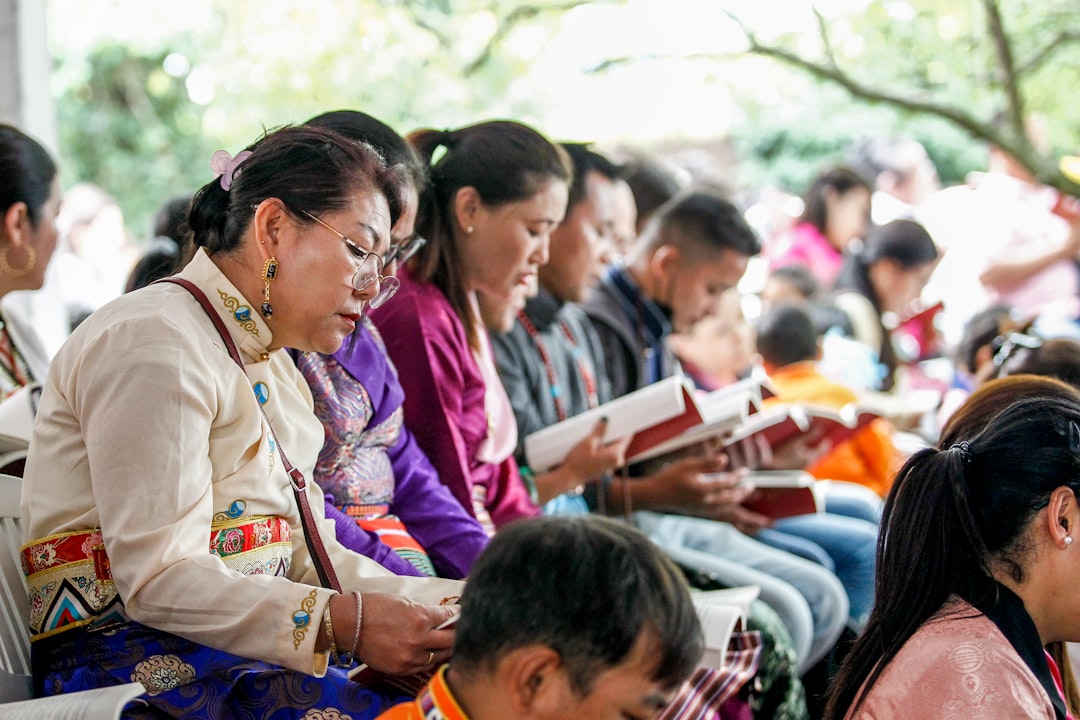
#1778 **Unlocking the Power of Words: Article Writing for Social Impact at Arfi Foundation**
**Excerpt:** At Arfi Foundation, we believe that words have the power to inspire, educate, and mobilize communities towards positive change. Through our article writing initiatives, we aim to amplify the voices of marginalized groups and promote social justice. In this blog post, we share our insights on how article writing can be a potent tool for social impact and highlight our own experiences at Arfi Foundation.
As a non-governmental organization (NGO) dedicated to promoting social justice and human rights, Arfi Foundation understands the critical role that effective communication plays in driving change. One of the most powerful tools in our toolbox is article writing – the art of crafting compelling, informative, and engaging content that resonates with diverse audiences. In this blog post, we'll delve into the world of article writing for social impact, exploring its benefits, best practices, and our own experiences at Arfi Foundation.
**The Power of Article Writing for Social Impact**
Article writing can be a game-changer for NGOs like Arfi Foundation, enabling us to:
1. **Raise awareness**: Article writing allows us to share our stories, experiences, and expertise with a wider audience, raising awareness about critical social issues and promoting empathy and understanding.
2. **Build relationships**: By sharing our perspectives and insights, we can establish meaningful relationships with stakeholders, partners, and communities, fostering trust and cooperation.
3. **Influence policy and practice**: Well-crafted articles can inform policy debates, influence decision-making, and shape public discourse, ultimately contributing to positive change.
4. **Amplify marginalized voices**: Article writing provides a platform for marginalized communities to share their stories, experiences, and perspectives, amplifying their voices and promoting social justice.
**Best Practices for Article Writing**
At Arfi Foundation, we've learned that effective article writing requires a combination of research, creativity, and attention to detail. Here are some best practices to keep in mind:
1. **Know your audience**: Understand who you're writing for and tailor your content to their needs, interests, and level of expertise.
2. **Conduct thorough research**: Ensure that your article is well-researched, accurate, and up-to-date, using credible sources to support your arguments.
3. **Use clear, concise language**: Avoid jargon and technical terms that may confuse readers, opting for simple, accessible language instead.
4. **Use storytelling techniques**: Share personal anecdotes, examples, or case studies to illustrate key points and make your article more engaging.
5. **Edit and revise**: Carefully review your article for grammar, punctuation, and consistency, making revisions as needed.
**Arfi Foundation's Article Writing Initiatives**
At Arfi Foundation, we're committed to using article writing as a tool for social impact. Here are some examples of our initiatives:
1. **Blog posts**: We regularly publish blog posts on our website, covering topics such as human rights, social justice, and community development.
2. **Op-eds**: Our team members contribute op-eds to mainstream media outlets, sharing our perspectives on critical social issues.
3. **Research reports**: We produce in-depth research reports on topics relevant to our work, providing actionable insights and recommendations.
4. **Social media campaigns**: We leverage social media platforms to share our articles, engage with our audience, and promote our work.
**Conclusion**
Article writing is a powerful tool for social impact, enabling NGOs like Arfi Foundation to raise awareness, build relationships, influence policy and practice, and amplify marginalized voices. By following best practices and leveraging our expertise, we can craft compelling content that resonates with diverse audiences and drives positive change. At Arfi Foundation, we're committed to using article writing as a key strategy for achieving our mission – and we invite you to join us on this journey.




#1435 ** "The Power of Words: How Arfi Foundation Uses Article Writing to Drive Social Impact"
**
As a non-governmental organization (NGO) dedicated to promoting human rights and social justice, Arfi Foundation understands the transformative power of words. Through article writing, we aim to educate, inform, and inspire our audience about the critical issues we address, while also promoting our values and mission. In this blog post, we'll delve into the ways in which we use article writing to drive social impact, share our experiences, and provide practical insights for NGOs and charity organizations looking to harness the power of words.
**Why Article Writing Matters for NGOs and Charity Organizations**
In today's digital landscape, article writing is a vital tool for non-profit organizations like Arfi Foundation. By publishing engaging, informative, and compelling articles, we can:
* Raise awareness about critical social issues and promote our mission
* Build relationships with our target audience and stakeholders
* Establish thought leadership and credibility in our sector
* Drive website traffic, social media engagement, and online donations
* Support advocacy and fundraising efforts
At Arfi Foundation, we believe that article writing is an essential component of our overall communications strategy. By consistently publishing high-quality content, we can reinforce our brand identity, build trust with our audience, and ultimately drive social impact.
**How Arfi Foundation Uses Article Writing to Drive Social Impact**
So, how does Arfi Foundation use article writing to drive social impact? Here are some key strategies we employ:
* **Storytelling**: We use personal narratives, case studies, and anecdotes to bring our mission to life and illustrate the impact of our work.
* **Issue-based articles**: We publish in-depth articles on critical social issues, providing context, analysis, and solutions.
* **Success stories**: We highlight the achievements and successes of our programs, demonstrating the effectiveness of our work.
* **Opinion pieces**: We publish thought-provoking op-eds and editorials on topics related to our mission, encouraging dialogue and sparking action.
* **Collaborations**: We partner with other organizations, experts, and thought leaders to amplify our message and reach new audiences.
**Practical Tips for NGOs and Charity Organizations**
If you're an NGO or charity organization looking to harness the power of article writing, here are some practical tips to get you started:
* **Define your audience**: Understand who your target audience is, what they care about, and how you can engage them through article writing.
* **Develop a content strategy**: Plan your content in advance, setting clear goals, themes, and deadlines.
* **Write for your audience**: Use simple, clear language and avoid jargon or technical terms that may confuse your readers.
* **Optimize for SEO**: Use keywords, meta descriptions, and headings to improve your article's search engine ranking.
* **Promote your content**: Share your articles on social media, email newsletters, and other channels to amplify your message.
**Conclusion**
Article writing is a powerful tool for NGOs and charity organizations like Arfi Foundation. By leveraging the transformative power of words, we can educate, inform, and inspire our audience, while promoting our values and mission. Whether you're just starting out or looking to refine your content strategy, we hope these insights and practical tips have inspired you to harness the power of article writing for your own organization. At Arfi Foundation, we're committed to using our words to drive social impact and create a more just and equitable world – and we invite you to join us.









Comments
5 comments