#1979 ** "The Power of Music: How Arfi Foundation Uses Music as a Tool for Social Change"
**
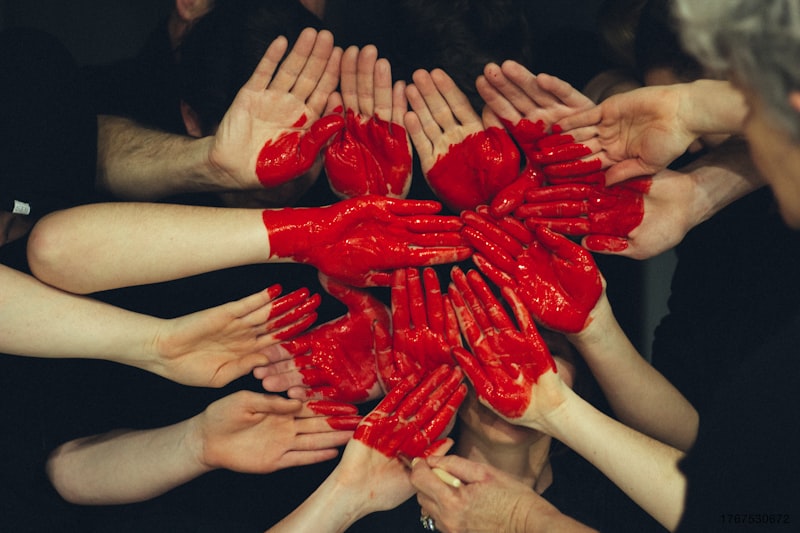
Music has long been a universal language, transcending cultural and geographical boundaries to touch hearts and minds. At Arfi Foundation, we're passionate about harnessing the power of music to create positive social change. Our music-based initiatives aim to uplift marginalized communities, promote social justice, and foster a sense of belonging and connection among people from all walks of life.
**The Impact of Music on Society**
Music has the ability to evoke emotions, spark conversations, and challenge societal norms. It can be a powerful tool for social commentary, raising awareness about pressing issues such as inequality, poverty, and human rights. By creating and sharing music that reflects the experiences and perspectives of marginalized communities, we can amplify their voices and promote empathy and understanding.
At Arfi Foundation, we've seen firsthand the impact that music can have on individuals and communities. Our programs have brought people together, created a sense of belonging, and provided a platform for self-expression and empowerment. We've worked with musicians, artists, and community leaders to develop music-based initiatives that address specific social issues, such as education, healthcare, and environmental sustainability.
**Arfi Foundation's Music-Based Initiatives**
Our music-based initiatives are designed to be inclusive, accessible, and impactful. We work with local communities to develop music programs that reflect their unique needs and circumstances. Here are a few examples of our initiatives:
1. **Music Education Programs**: We've established music education programs in underserved communities, providing access to music lessons, instruments, and performance opportunities. These programs aim to promote academic achievement, self-confidence, and social skills.
2. **Community Music Projects**: We've launched community music projects that bring people together to create music, foster connections, and build a sense of community. These projects often focus on specific social issues, such as mental health, social justice, or environmental sustainability.
3. **Music Therapy Initiatives**: We've developed music therapy initiatives that use music as a tool for healing, stress relief, and emotional expression. These programs are designed to support individuals with physical or mental disabilities, as well as those experiencing trauma or adversity.
**How You Can Get Involved**
At Arfi Foundation, we believe that everyone has a role to play in creating positive social change through music. Here are a few ways you can get involved:
1. **Donate**: Your financial support will help us continue to develop and implement music-based initiatives that make a real difference in people's lives.
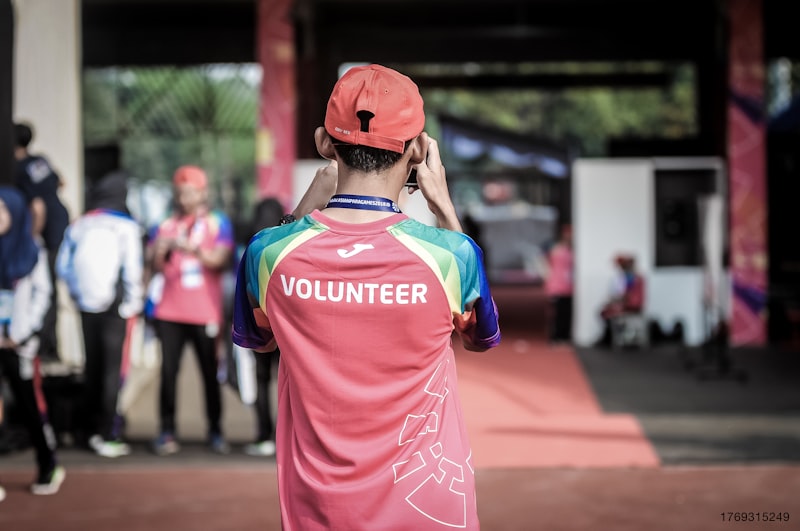
2. **Volunteer**: Share your skills, expertise, and passion with us by volunteering your time and energy to support our music programs.
3. **Spread the Word**: Share our story, amplify our message, and help us reach a wider audience by sharing our work on social media, with friends and family, and in your community.
**Conclusion**
Music has the power to transform lives, bring people together, and create positive social change. At Arfi Foundation, we're committed to harnessing the power of music to create a more compassionate, inclusive, and just world. Join us in our efforts to use music as a tool for social change. Together, we can create a brighter, more harmonious future for all.
**Get Involved**
To learn more about our music-based initiatives, volunteer opportunities, and donation programs, please visit our website or contact us directly. Together, let's make music a force for good in the world!



Related Posts
#3026 ** "Harmonizing Hearts: How Music Empowers Arfi Foundation's Mission to Uplift Marginalized Communities"
**
As a non-governmental organization (NGO) dedicated to uplifting marginalized communities, Arfi Foundation has been a beacon of hope for countless individuals and families around the world. While the organization's work spans various sectors, including education, healthcare, and economic empowerment, music has emerged as a powerful tool in their mission to bring about positive change. In this blog post, we'll delve into the world of music at Arfi Foundation, exploring how it's being used to amplify the organization's impact and inspire hope in the communities they serve.
**The Power of Music in Social Change**
Music has long been recognized as a potent force for social change. From protest songs that ignite movements to healing melodies that soothe the soul, music has a unique ability to transcend cultural and linguistic barriers, speaking directly to our hearts and minds. At Arfi Foundation, music is being harnessed as a means to build bridges, foster community engagement, and provide a platform for marginalized voices to be heard.
**Arfi Foundation's Music Initiatives**
So, how exactly is Arfi Foundation leveraging music to drive social impact? The organization has established several music-related initiatives that are making a tangible difference in the lives of those they serve. These include:
* **Music Therapy Programs**: In partnership with local healthcare providers, Arfi Foundation has launched music therapy programs for children and adults living with disabilities or chronic illnesses. These programs provide a safe space for participants to express themselves, build confidence, and develop essential life skills.
* **Community Music Workshops**: Arfi Foundation's community music workshops bring people together through the collective joy of music-making. These workshops offer a platform for individuals to learn traditional instruments, compose their own music, and develop a sense of belonging within their communities.
* **Music Education Initiatives**: In an effort to promote music literacy and cultural preservation, Arfi Foundation has established music education initiatives in local schools and community centers. These programs provide children with access to quality music education, fostering creativity, self-expression, and a deeper appreciation for their cultural heritage.
**Practical Insights and Tips**
While Arfi Foundation's music initiatives are inspiring, what can we learn from their approach that can be applied in our own contexts? Here are a few practical insights and tips:
* **Collaborate with Local Artists**: Partnering with local artists and musicians can help ensure that music initiatives are culturally relevant, authentic, and effective in engaging the community.
* **Focus on Accessibility**: When designing music programs, prioritize accessibility by incorporating inclusive practices, such as offering adaptive instruments or providing accommodations for individuals with disabilities.
* **Build Community Ownership**: Encourage community members to take ownership of music initiatives by involving them in decision-making processes, providing training and capacity-building opportunities, and fostering a sense of collective responsibility.
**Conclusion**
As we've seen, music is a powerful force that can be harnessed to drive social change and uplift marginalized communities. Arfi Foundation's music initiatives are a testament to the potential of music to inspire hope, build resilience, and foster community engagement. By learning from their approach and applying these practical insights in our own contexts, we can harness the transformative power of music to create a more just and equitable world.
**EXCERPT:**
At Arfi Foundation, music is being used as a tool to uplift marginalized communities, inspire hope, and foster social change. From music therapy programs to community music workshops and music education initiatives, the organization's innovative approach to music is making a tangible difference in the lives of those they serve.




#2677 ** "The Power of Music: How Arfi Foundation is Changing Lives through Melody and Movement"
**
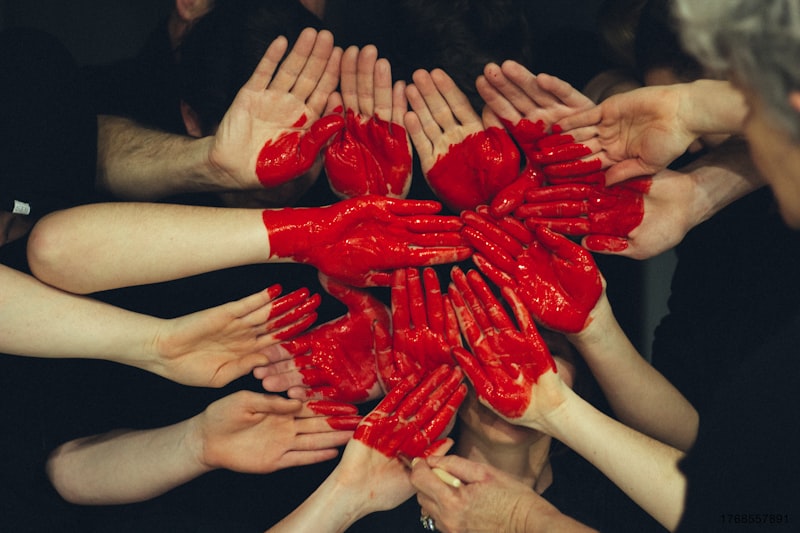
Music has a unique ability to transcend cultural and linguistic barriers, bringing people together in ways that few other forms of expression can. As an NGO, Arfi Foundation has long recognized the potential of music to drive social change and promote community development. Our organization has been using music as a tool for empowerment and education, and we're excited to share our story with you.
**The Impact of Music on Communities**
Research has shown that music can have a profound impact on both physical and mental health. It can reduce stress, improve mood, and even alleviate symptoms of anxiety and depression. Music has also been shown to promote cognitive development in children, improve academic performance, and foster creativity and self-expression.
At Arfi Foundation, we've seen firsthand the impact of music on communities around the world. Our programs have taken music out of the concert hall and into the streets, using traditional and contemporary music to promote social cohesion and cultural exchange. From community choirs to music workshops, our initiatives have brought people together and given them a sense of purpose and belonging.
**Arfi Foundation's Music Programs**
So, how does Arfi Foundation use music to make a positive impact? Our organization has a range of music programs that cater to diverse needs and interests. Here are a few examples:
* **Community Music Initiatives:** We work with local communities to develop music programs that reflect their cultural heritage and social needs. These initiatives might include community choirs, music workshops, and cultural festivals.
* **Music Therapy:** We've partnered with music therapists to provide music-based interventions for people with disabilities, mental health conditions, and other challenges. Our music therapy programs aim to promote emotional well-being, social skills, and cognitive development.
* **Music Education:** We believe that music education is essential for promoting social mobility and economic development. Our music education programs provide access to quality music instruction, instruments, and resources for disadvantaged communities.
**Practical Information and Insights**
If you're interested in getting involved with Arfi Foundation's music programs, here are a few practical tips:
* **Volunteer:** We rely on volunteers to help deliver our music programs. Whether you're a musician, teacher, or simply someone who loves music, we invite you to join our team.
* **Donate:** Your financial support will help us continue to develop and expand our music programs. Every donation, no matter how small, makes a difference.
* **Get Involved:** Join our community of supporters and stay up-to-date on our latest news and initiatives. We'd love to hear from you and learn more about your interests and passions.
**Conclusion**
At Arfi Foundation, we believe that music has the power to change lives and transform communities. Our music programs have brought people together, promoted social cohesion, and given individuals a sense of purpose and belonging. If you're passionate about music and social change, we invite you to join us on this journey. Together, let's use the power of melody and movement to create a more just and equitable world.
**About Arfi Foundation**
Arfi Foundation is a global non-governmental organization dedicated to promoting social change and community development through music and movement. Our organization works with communities around the world to develop and implement music programs that address a range of social and economic challenges. For more information about our organization and our music programs, please visit our website or contact us directly.


#2328 **Tuning into Social Change: The Power of Music at Arfi Foundation**
**CONTENT**
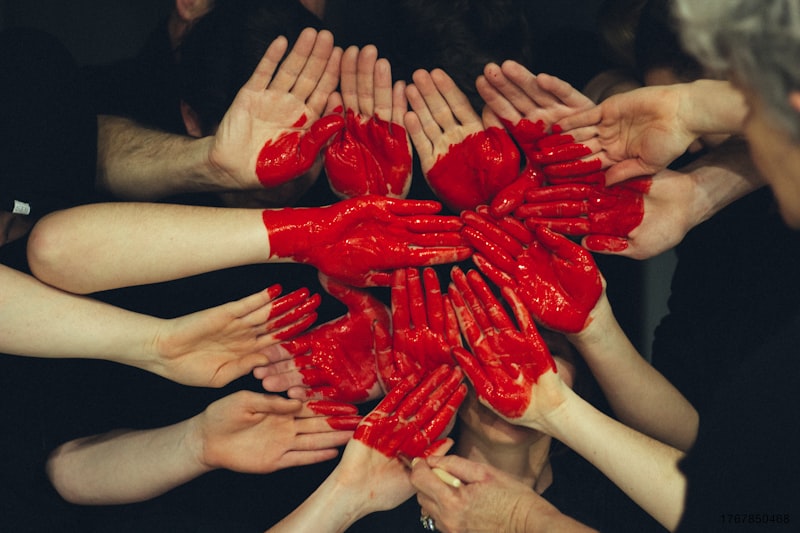
As a leading charity organization, the Arfi Foundation has been making waves in the world of social impact, and music has been a crucial component of their mission. At Arfi Foundation, music is more than just a form of self-expression or entertainment – it's a potent tool for driving change and creating a more just and equitable world. In this blog post, we'll delve into the ways in which the Arfi Foundation is harnessing the power of music to make a meaningful difference in the lives of marginalized communities.
**A Brief History of Music and Social Change**
Music has long been a powerful force for social change, from the civil rights movement to anti-war protests and feminist activism. Throughout history, music has provided a platform for marginalized voices to be heard, for injustices to be exposed, and for calls to action to be made. From the iconic anthems of Bob Dylan and Woody Guthrie to the modern-day activism of Kendrick Lamar and J. Cole, music has consistently played a vital role in shaping social movements and inspiring social change.
**The Arfi Foundation's Music Initiatives**
At the Arfi Foundation, music is not just a peripheral aspect of their work – it's a core component of their mission. Through a range of music-based initiatives, the Arfi Foundation is empowering marginalized communities to express themselves, build resilience, and advocate for their rights. Some of the key music initiatives that form part of the Arfi Foundation's work include:
* **Music Education Programs**: The Arfi Foundation provides music education programs in schools and community centers, offering young people from disadvantaged backgrounds the chance to learn music, develop their skills, and build their confidence.
* **Community Music Initiatives**: The Arfi Foundation supports community music initiatives, which bring people together through music-making and provide a platform for social connection, creativity, and self-expression.
* **Music Therapy Projects**: The Arfi Foundation has implemented music therapy projects in hospitals, care homes, and other settings, using music to promote healing, reduce stress, and improve mental health.
**The Impact of Music on Social Change**
So why is music such a powerful tool for social change? The answer lies in its unique ability to evoke emotions, create connections, and inspire action. Music has a way of cutting through social and cultural barriers, allowing people to connect with one another and with a shared sense of purpose. When used as a tool for social change, music can:
* **Raise awareness**: Music can bring attention to social issues, raise awareness of injustices, and mobilize people to take action.
* **Build empathy**: Music can create a sense of empathy and understanding among people, helping to break down social and cultural barriers.
* **Foster solidarity**: Music can bring people together, creating a sense of solidarity and shared purpose among those working towards a common goal.
**Practical Insights and Takeaways**
So what can we learn from the Arfi Foundation's music initiatives? Here are a few practical insights and takeaways:
* **Music is a powerful tool for social change**: Music has the ability to evoke emotions, create connections, and inspire action, making it a potent tool for driving social change.
* **The Arfi Foundation's music initiatives are just the beginning**: The Arfi Foundation's music initiatives are a model for other organizations to follow, demonstrating the potential of music to drive social change and create positive impact.
* **Music is a key component of a comprehensive approach to social change**: Music should be seen as a key component of a comprehensive approach to social change, rather than a peripheral aspect of an organization's work.
**Conclusion**
In conclusion, the Arfi Foundation's music initiatives are a shining example of the power of music to drive social change and create positive impact. Through their music education programs, community music initiatives, and music therapy projects, the Arfi Foundation is empowering marginalized communities to express themselves, build resilience, and advocate for their rights. As we look to the future, it's clear that music will continue to play a vital role in shaping social movements and inspiring social change. At the Arfi Foundation, music is more than just a form of self-expression or entertainment – it's a potent tool for creating a more just and equitable world.
**EXCERPT**
The Arfi Foundation's music initiatives are a shining example of the power of music to drive social change and create positive impact. Through their music education programs, community music initiatives, and music therapy projects, the Arfi Foundation is empowering marginalized communities to express themselves, build resilience, and advocate for their rights. Music is a potent tool for creating a more just and equitable world, and the Arfi Foundation is leading the way in harnessing its power for social good.



#1613 ** "Harmonizing Change: The Power of Music in Empowering Communities through Arfi Foundation"
**
Music has long been a universal language, capable of transcending cultural and social boundaries to evoke emotions, inspire creativity, and spark connection. At Arfi Foundation, we've seen firsthand the profound impact that music can have on individuals and communities. Our organization is dedicated to empowering marginalized groups through education, healthcare, and economic empowerment initiatives. Music is a vital component of our work, serving as a tool for self-expression, social change, and community building.
Our music programs are designed to provide opportunities for vulnerable populations to explore their creativity, build confidence, and develop essential life skills. We work with local artists, musicians, and educators to create engaging and inclusive music experiences that cater to diverse needs and abilities. Our programs range from music therapy sessions for children with disabilities to community choirs and music workshops for refugees and asylum seekers. By providing access to music education and performance opportunities, we aim to break down social and cultural barriers, foster a sense of belonging, and promote social cohesion.
One of the most significant benefits of music in our programs is its ability to facilitate emotional expression and healing. For individuals who have experienced trauma, loss, or displacement, music offers a safe and creative outlet for processing their emotions and finding closure. Our music therapists work closely with clients to develop personalized music plans that address their unique needs and goals. Whether it's through singing, playing an instrument, or composing music, our clients are empowered to express themselves authentically and find solace in the healing power of music.
In addition to its therapeutic benefits, music also plays a vital role in promoting social change and community development. Our music programs often serve as a catalyst for social mobilization, bringing people together around a shared passion for music and a desire to create positive change. Through music, we've seen individuals and communities come together to address pressing issues, such as poverty, inequality, and social injustice. By amplifying marginalized voices and promoting social awareness, our music programs help to drive meaningful change and inspire a more just and equitable society.
So, how can you get involved with Arfi Foundation's music programs? We're committed to collaboration and community engagement, and we welcome partnerships with local organizations, artists, and individuals who share our passion for music and social change. If you're interested in donating resources, expertise, or time to our music initiatives, please don't hesitate to contact us. We're also excited to share our music programs with a wider audience, and we invite you to join us for upcoming concerts, workshops, and events.
At Arfi Foundation, we believe that music has the power to transform lives and communities. Through our music programs, we're dedicated to empowering marginalized groups, promoting social change, and celebrating the universal language of music. Join us in our mission to harmonize change and create a brighter future for all.
**About Arfi Foundation:** Arfi Foundation is a registered charity organization dedicated to empowering marginalized groups through education, healthcare, and economic empowerment initiatives. Our mission is to break down social and cultural barriers, foster a sense of belonging, and promote social cohesion. By leveraging the transformative power of music, we're committed to creating a more just and equitable society for all.


#1115 ‘I plugged in Zelda and everything changed’: developers share their fondest Christmas gaming memories
From a family showdown on Guitar Hero III to the winter levels in Diddy Kong Racing, the designers of some of today’s top titles recall the gifts and moments that lit up their childhoods
There is a viral video that tends to get passed around at this time of year. It’s an old home movie showing a boy and a girl on Christmas morning eagerly unwrapping a present that turns out to be an N64 console – the boy is, to put it mildly, extremely pleased. It’s a scene a lot of us who play games will recognise: the excitement and anticipation provided by that big console-sized parcel, or the little DVD-shaped package that could be the latest Super Mario adventure. Although I never got a games machine at Christmas, I remember one year being given Trivial Pursuit on the Commodore 64 and the whole family gathered around the TV to play. It was one of the few times my mum and my sisters showed any interest in the computer, and I loved getting them involved.
Veteran designer Rhod Broadbent of Dakko Dakko recalls the Christmas of 1992, when his father, a programmer who had previously looked down on games consoles, bought him Mario Kart and The Legend of Zelda: A Link to the Past. “Zelda was completely unknown to me at the time,” he recalls. “I think Dad was probably expecting me to be more excited. But after I had spent the morning in Mario Kart, I plugged in Zelda and everything changed. From the title music, through the intro and into that beautiful initial thunderstorm, everything was so polished and smooth and unlike the video games I’d played before. It didn’t leave the cartridge slot for weeks. I remember that Christmas morning like it was yesterday …”
Continue reading...


#1040 This Hidden Spotify Feature Makes the Best Personalized Playlists
Spotify playlists are a surprisingly big part of my life. I make a handful of new, curated, choreographed ones for the spin classes I teach every week and otherwise meticulously maintain quarterly playlists designed to represent the overall vibe of specific, three-month periods in my life. I only edit those during the 12 weeks of the quarter, then leave them alone so I can revisit them and relive the era. This means I am constantly fiddling with the present playlist to make it just right, searching for songs that feel precisely aligned with however I'm feeling. It's actually a time-consuming hobby—but I stumbled across a feature the other day that has made creating spin playlists and soundtracking Q1 of 2026 easier than ever.
The new Spotify feature
The best way I can describe the feature I stumbled upon is that it's like Tinder for songs. If you're listening to a song within the app, scroll down. Go past the buttons for Play and Next, past the About the artist section, past the lyrics, and stop when you see Explore [artist name]. Then, you'll have three options like Similar to [artist name] and Similar to [song name], but these can differ slightly.
Tapping one of those opens up the new feature. Say you choose Similar to [song name]. You'll be given 30 seconds of a song that Spotify's algorithm considers "similar" to the one you were just listening to, plus the artist's name, how many Spotify followers they have, and a three-dot menu that will let you add the song to your likes, add it to a playlist, go to the artist's page, and more. If you like the 30-second clip, you can add the song to your playlists. If not, you can keep swiping downward to hear a new one.
See how it's like Tinder? You make fairly snap decisions based on the quick preview and few details you get, then swipe away if you don't like it. I found a community forum post on Spotify's website about it, but otherwise, not much chatter. All I can tell is that it's been out since about May.
Why I like the feature
I prefer this to the other music-discovery options on Spotify because it gives you a quick preview of the song and makes the finding process simple. I am, of course, a big fan of the pre-generated Discover Weekly playlist or New Releases playlist Spotify makes for me every week, but it's time-consuming to listen to all the songs in them and it's not intuitive to find other new songs based on the finite playlists themselves. The 30-second quick hits and easy, swipeable dismissal of the new feature help me figure out if a song is worth my time, either for spin class or personal use, add it to the appropriate playlist if so, and keep moving.
What I especially like is the three hashtags under the artist's name. They are genre descriptions that match up with whatever song you're previewing and I've found them helpful because I have a hard time describing what kind of music I even like. Apparently, per the new feature, I like something called "speed garage." Tapping the #speedgarage hashtag that appears in the song previews brings me to another scrollable preview pane full of, exclusively, more speed garage—whatever that actually is. I still can't define it, but I learned I like it, and that alone is more beneficial than a year's worth of Discover Weekly playlists.
I used this feature during my Uber ride to the airport the other day and, by the time I was through TSA, I had 29 new songs in my Q1 playlist. I listened to them on the plane, weeded out ones that didn't match the quarterly vibe well enough, then sent it to my friends, who all gave the collection rave reviews like, and I quote, "this slaps."

#743 ChatGPT Works With Apple Music Now, for Some Reason
When ChatGPT first launched, it was strictly about dealing with text. You could ask it to write you a poem, to check your code for errors, or to build you a grocery list from a recipe. Fast forward three years, and the app has changed completely—for better or for worse. Not only has ChatGPT's large language model (LLM) improved dramatically from GPT-3.5 to GPT-5.2, but the bot has gone multimodal. It can understand text, but also images, video, and the internet at large. 2025's ChatGPT is hardly the same product as 2022's.
One of the many upgrades to ChatGPT over the past three years has been app integrations: You've been able to connect OpenAI's chatbot to ask it to do things on your behalf. You could connect to Expedia to ask ChatGPT for help booking a hotel, Zillow to ask the bot to help you find an apartment, or Canva for help with creating a slide. Whether these integrations are any more useful than simply using the respective app itself is perhaps up to each user, but these integrations exist all the same.
Fidji Simo, OpenAI's CEO of applications, announced the integration in a Substack post on Tuesday. Among other updates, like a new image gen model and new writing tools, Simo revealed new app integrations for the chatbot, including OpenTable, Salesforce, Clay, Lovable, and, of course, Apple Music. At the time, details were limited, but now, the integration is officially live.
What can you do with Apple Music in ChatGPT?
First of all, you don't actually need to subscribe to connect Apple Music to ChatGPT. It's an interesting note, since Apple Music itself requires a paid subscription to access. But with ChatGPT, you can access elements of the services without paying—keyword "elements."
Once you connect the services together, you'll be able to search Apple Music for songs, artists, albums, and playlists within ChatGPT. In addition to music discoverability, you can also generate playlists, and listen to clips of songs you find. ChatGPT doesn't specify how long those clips are, but if they base it off of iTunes, it could be anywhere from 30 to 90 seconds. If you thought this integration was all about listening to Apple Music tunes while using ChatGPT, think again: You'll still need Apple Music itself for the listening side of things.
Of course, if you have an Apple Music account, the integration is a bit more useful. If so, you'll be able to add songs, albums, and playlists to your Apple Music library that you found or generated from ChatGPT.
What are the privacy implications of connecting Apple Music to ChatGPT?
Love it or hate it, ChatGPT isn't necessarily designed with user privacy in mind. After all, part of the company's business model is training its LLMs on your ChatGPT interactions—unless you specifically opt out. As such, the idea of connecting your Apple Music subscription to ChatGPT raises some privacy alarm bells in my mind. Apple Music doesn't have the most sensitive user information in your digital portfolio, but it does contain quite a bit of extra data ChatGPT can collect from you.
At the top of the Apple music connection tool, OpenAI says, "You're in control." The company is adamant that ChatGPT "always respects" your preferences on training data, and is held to the permissions you've already set. That said, the company also warns that by using apps, you run the risk of falling victim to attack: If hackers decide to attack ChatGPT, your data could get swooped up. You'll also end up sharing data points like your IP address and approximate location, as well as ChatGPT data with Apple Music. (The data sharing goes both ways here.)
One benefit here is that ChatGPT doesn't appear to have access to your listening history. While the app can create playlists for you, it can't actually see what you're choosing to listen to in Apple Music itself.
I personally don't use ChatGPT, and even if I did, I don't think I'd connect my Apple Music account here. I find the discoverability within the app itself fine for my needs, and when it isn't, the greater internet already helps me find new music. I'm not sure I'd feel the benefits of ChatGPT's intelligence here, especially when it comes with the risk of keeping all my Apple Music data in yet another location.
If you're not like me, and you're interested in trying out this integration, you can connect Apple Music to ChatGPT from the latter's app or web app. Head to the sidebar, choose Apps, then find and select "Apple Music."



Comments
4 comments