#1511 ** "Empowering Digital Transformation: How Arfi Foundation Leverages Web Development for Social Impact"
**
As a non-governmental organization (NGO) dedicated to creating a more just and equitable world, Arfi Foundation recognizes the pivotal role that technology plays in driving social change. Web development is at the forefront of this revolution, enabling organizations like Arfi Foundation to amplify their reach, engage with stakeholders, and create lasting impacts. In this blog post, we'll delve into the ways Arfi Foundation harnesses web development to fuel its mission and explore the practical insights and best practices that underpin our approach.
**Why Web Development Matters for NGOs**
In today's digital age, a strong online presence is no longer a luxury but a necessity for organizations seeking to make a meaningful difference. Web development allows NGOs like Arfi Foundation to establish a robust online platform, connecting with supporters, volunteers, and beneficiaries across the globe. By leveraging web development, we can:
* Raise awareness about our causes and campaigns
* Mobilize resources and funding to support our programs
* Build a community of like-minded individuals and organizations
* Share knowledge and expertise to drive social change
**Arfi Foundation's Web Development Approach**
At Arfi Foundation, we prioritize a user-centered approach to web development, focusing on creating intuitive, accessible, and inclusive digital experiences. Our team of developers and designers collaborates closely with stakeholders to craft a web presence that:
* Reflects our values and mission
* Meets the evolving needs of our audience
* Empowers our team to manage and maintain the site effectively
Some of the key tools and technologies we utilize include:
* Content Management Systems (CMS) like WordPress and Drupal
* Front-end frameworks like React and Angular
* Back-end languages like Python and Ruby
* Database management systems like MySQL and MongoDB
**Practical Insights and Best Practices**
While web development can be a complex and technical field, there are several practical insights and best practices that organizations like Arfi Foundation can apply to their digital endeavors:
1. **Accessibility**: Ensure that your website is accessible to users with disabilities by implementing features like alternative text for images, closed captions for videos, and a clear navigation structure.
2. **Mobile-friendliness**: With the majority of users accessing websites via mobile devices, it's essential to design and develop a website that provides a seamless experience across various screen sizes and devices.
3. **Content strategy**: Develop a content strategy that aligns with your organization's goals and objectives, focusing on creating engaging, informative, and compelling content that resonates with your audience.
4. **Search Engine Optimization (SEO)**: Optimize your website for search engines to increase visibility, drive organic traffic, and improve your online reputation.
5. **Maintenance and updates**: Regularly update and maintain your website to ensure it remains secure, efficient, and relevant to your audience.
**Conclusion**
In conclusion, web development is a critical component of Arfi Foundation's digital transformation strategy, enabling us to amplify our reach, engage with stakeholders, and create lasting impacts. By prioritizing a user-centered approach, leveraging the right tools and technologies, and applying practical insights and best practices, organizations like ours can harness the power of web development to drive social change and create a more just and equitable world.
**EXCERPT:** "Arfi Foundation leverages web development to fuel its mission, connecting with stakeholders, mobilizing resources, and driving social change. Learn about our approach and discover practical insights and best practices for NGOs to amplify their online presence and create lasting impacts."



Related Posts
#2918 ** "Empowering Change through Digital Platforms: Arfi Foundation's Web Development Journey"
**
As a non-profit organization, Arfi Foundation is dedicated to empowering marginalized communities and promoting sustainable development. In today's digital age, having a strong online presence is crucial for any organization, especially one that relies heavily on fundraising and community engagement. Our web development journey has been a transformative experience, allowing us to reach a wider audience, streamline our operations, and ultimately, make a more significant impact.
**Why Web Development Matters for NGOs**
Before we dive into our specific experience, let's talk about why web development is essential for NGOs like Arfi Foundation. A well-designed website can:
* Increase online visibility and credibility
* Facilitate fundraising and donation processes
* Provide a platform for community engagement and social mobilization
* Enhance brand awareness and recognition
* Support data-driven decision-making and program evaluation
**Our Web Development Journey**
Arfi Foundation's web development journey began with a clear goal: to create a user-friendly and informative website that would showcase our mission, programs, and impact. We started by conducting a thorough needs assessment, identifying our target audience, and outlining our key objectives. This helped us prioritize our features and functionality requirements.
We worked with a team of experts to design and develop a custom website that would meet our needs and exceed our expectations. Our website features a clean and modern design, easy-to-navigate menus, and a robust content management system (CMS) that allows us to update our content in real-time.
One of the key challenges we faced was ensuring our website was accessible to users with disabilities. We worked closely with a web accessibility expert to implement the Web Content Accessibility Guidelines (WCAG 2.1), ensuring that our website is usable by everyone, regardless of their abilities.
**Lessons Learned and Best Practices**
Our web development journey has taught us several valuable lessons and best practices that we'd like to share with other NGOs:
1. **Define your goals and objectives**: Before starting your web development project, clearly define your goals and objectives. This will help you prioritize your features and functionality requirements.
2. **Conduct a thorough needs assessment**: Understand your target audience, their needs, and preferences to create a website that resonates with them.
3. **Work with experts**: Collaborate with experienced web developers, designers, and accessibility experts to ensure your website is user-friendly, accessible, and meets your needs.
4. **Prioritize user experience**: A well-designed website should be intuitive and easy to navigate. Prioritize user experience and usability above all else.
5. **Regularly update and maintain your website**: A website is not a one-time project; it requires ongoing maintenance and updates to ensure it remains relevant and effective.
**Conclusion**
Arfi Foundation's web development journey has been a transformative experience, allowing us to amplify our social impact, increase our online visibility, and streamline our operations. By prioritizing user experience, accessibility, and regular maintenance, we've created a website that truly reflects our mission and values.
We hope that our story will inspire other NGOs to embark on their own web development journeys, leveraging technology to drive positive change and create a better world for all.




#2569 **Empowering Online Presence: Web Development for NGOs like Arfi Foundation**
**CONTENT**
In today's digital age, having a strong online presence is crucial for any organization, especially Non-Governmental Organizations (NGOs) like Arfi Foundation. A well-designed website can serve as a powerful tool to connect with stakeholders, raise awareness about social causes, and mobilize support for community development initiatives. At Arfi Foundation, we understand the importance of web development in achieving our mission and vision.
**Our Web Development Journey**
Arfi Foundation has been working tirelessly to empower marginalized communities through education, healthcare, and economic empowerment programs. As part of our efforts to increase our online visibility and engagement, we embarked on a comprehensive web development project. Our goal was to create a user-friendly, accessible, and informative website that showcases our work and inspires others to join our cause.
**Key Considerations for NGOs in Web Development**
When it comes to web development for NGOs, there are several key considerations to keep in mind:
1. **Accessibility**: Ensure that your website is accessible to everyone, including people with disabilities. This includes using clear and simple language, providing alternative text for images, and ensuring that your website is compatible with assistive technologies.
2. **Content Strategy**: Develop a content strategy that showcases your organization's mission, vision, and values. This should include sharing stories, testimonials, and updates about your projects and initiatives.
3. **User Experience**: Design a user-friendly website that is easy to navigate and provides a seamless experience for visitors. This includes using clear typography, intuitive navigation, and high-quality visuals.
4. **Search Engine Optimization (SEO)**: Optimize your website for search engines to improve your online visibility and reach a wider audience.
**Practical Insights for NGOs**
Here are some practical insights for NGOs looking to develop a strong online presence:
1. **Keep it simple**: Avoid cluttering your website with too much information or complex design elements. Keep it simple, clear, and concise.
2. **Use storytelling**: Use storytelling techniques to share the impact of your work and inspire others to get involved.
3. **Engage with your audience**: Use social media and email newsletters to engage with your audience and keep them informed about your work.
4. **Monitor and evaluate**: Monitor your website's performance and evaluate its effectiveness in achieving your online goals.
**Arfi Foundation's Web Development Experience**
At Arfi Foundation, we have learned that web development is an ongoing process that requires continuous improvement and refinement. Our website has undergone several iterations, each designed to improve user experience, increase engagement, and enhance our online visibility. We have also leveraged our website to share our stories, showcase our impact, and mobilize support for our community development initiatives.
**Conclusion**
In conclusion, web development is a vital aspect of any NGO's online presence. By creating a user-friendly, accessible, and informative website, we can connect with stakeholders, raise awareness about social causes, and mobilize support for community development initiatives. At Arfi Foundation, we have learned the importance of web development in achieving our mission and vision, and we continue to strive for excellence in this area.
**EXCERPT**
Discover how Arfi Foundation is leveraging web development to empower marginalized communities and mobilize support for community development initiatives. Learn about the importance of accessibility, content strategy, and user experience in creating a strong online presence for NGOs.



#2220 **Building a Digital Bridge: How Arfi Foundation Leverages Web Development for Social Impact**
**CONTENT**
In today's digital age, having a strong online presence is no longer a luxury, but a necessity for non-governmental organizations (NGOs) like Arfi Foundation. As a charity organization dedicated to empowering marginalized communities, Arfi Foundation recognizes the potential of web development to amplify its mission and reach a wider audience. In this blog post, we'll delve into the ways Arfi Foundation harnesses web development to create a digital bridge between donors, volunteers, and those in need.
**Why Web Development Matters for NGOs**
For NGOs like Arfi Foundation, web development is more than just a technical aspect of their operations. It's a powerful tool for creating a digital ecosystem that fosters engagement, builds trust, and drives social change. A well-designed website, mobile app, or online platform can help NGOs like Arfi Foundation:
* Raise awareness about their mission and cause
* Mobilize donations and support from donors and volunteers
* Build a community of like-minded individuals and organizations
* Collect and analyze data to inform programmatic decisions
* Facilitate communication and collaboration with stakeholders
At Arfi Foundation, we understand the importance of web development in achieving our goals. Our team of experts works tirelessly to design and develop web solutions that are not only visually appealing but also user-friendly, secure, and accessible.
**Web Development at Arfi Foundation: A Behind-the-Scenes Look**
So, what does web development look like at Arfi Foundation? Here are a few examples of how we're using web development to drive social impact:
* **Website Redesign**: We recently redesigned our website to improve navigation, enhance user experience, and increase online engagement. Our new website features a clean design, clear calls-to-action, and a robust search function, making it easier for visitors to find the information they need.
* **Online Donations Platform**: We've developed an online donations platform that allows visitors to make secure, one-time or recurring donations. This platform is integrated with our website, making it easy for donors to support our cause.
* **Volunteer Management System**: We've created a volunteer management system that enables us to track volunteer hours, skills, and availability. This system helps us to match volunteers with our programs and projects, ensuring that we're making the most of our resources.
**Best Practices for NGOs: Tips from Arfi Foundation**
If you're an NGO looking to leverage web development for social impact, here are a few tips from Arfi Foundation:
* **Start small**: Don't try to tackle too much at once. Start with a simple website or online platform and gradually build upon it.
* **Prioritize user experience**: Ensure that your website or online platform is user-friendly, accessible, and easy to navigate.
* **Keep it secure**: Protect your donors' and volunteers' data by implementing robust security measures, such as encryption and two-factor authentication.
* **Monitor and evaluate**: Regularly monitor your website's performance and evaluate its impact on your mission and goals.
**Conclusion**
In conclusion, web development is a critical component of Arfi Foundation's mission to empower marginalized communities. By leveraging web development, we're able to create a digital bridge between donors, volunteers, and those in need. Whether you're an NGO or a social entrepreneur, we encourage you to explore the potential of web development for social impact.
**EXCERPT**
At Arfi Foundation, we're harnessing the power of web development to amplify our mission and create a digital bridge between donors, volunteers, and those in need. From website redesign to online donations platforms, our team of experts is dedicated to creating web solutions that drive social change. Learn more about how web development can help your NGO achieve its goals.



#1871 ** Building a Digital Bridge for Social Impact: Web Development at Arfi Foundation
**
As a non-governmental organization (NGO) dedicated to empowering marginalized communities through education and sustainable development, Arfi Foundation recognizes the pivotal role that technology plays in bridging the gap between those in need and the resources available to them. One crucial aspect of our digital strategy is web development, which enables us to create online platforms that facilitate information exchange, community engagement, and resource mobilization. In this blog post, we will delve into the world of web development at Arfi Foundation, exploring how we harness the power of the web to drive social impact.
**The Importance of Web Development for NGOs**
In today's digital age, having a robust online presence is no longer a nicety, but a necessity for NGOs like Arfi Foundation. A well-designed website serves as a digital ambassador, showcasing our mission, values, and achievements to a global audience. Moreover, a website provides a platform for us to share our stories, raise awareness about pressing social issues, and mobilize resources to support our initiatives. By leveraging web development, we can reach a wider audience, build a stronger online community, and ultimately, amplify our impact.
**Arfi Foundation's Web Development Approach**
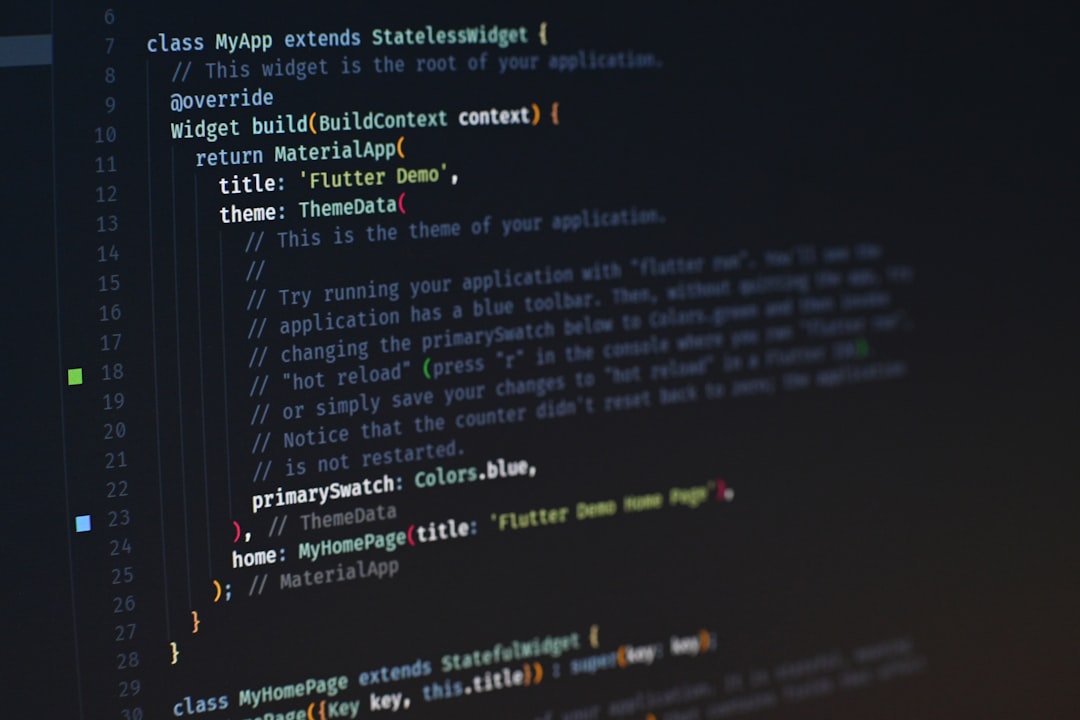
At Arfi Foundation, our web development approach is guided by a deep understanding of the needs and challenges faced by our target communities. We believe in creating user-centric digital solutions that are accessible, intuitive, and engaging. Our web development team works closely with our program teams to design and develop websites that are not only visually appealing but also functional and informative. We employ a range of web development technologies, including HTML5, CSS3, JavaScript, and responsive web design, to ensure that our websites are adaptable to various devices and screen sizes.
**Digital Platforms for Social Impact**
One of the key areas where web development plays a critical role at Arfi Foundation is in the creation of digital platforms that support our social impact initiatives. These platforms enable us to engage with our target communities, share resources, and facilitate information exchange. For instance, our website features a dedicated section for our education programs, where we provide access to educational materials, resources, and online courses. We also use web development to create online communities, forums, and social media groups that foster discussion, collaboration, and knowledge-sharing among our stakeholders.
**Best Practices for NGOs in Web Development**
As an NGO, Arfi Foundation has learned valuable lessons in web development that we would like to share with our peers. First and foremost, it is essential to have a clear understanding of your audience and their needs. This will inform your web development approach and ensure that your website is user-friendly and effective. Second, invest in a robust content management system (CMS) that allows for easy updates and management of your website's content. Third, prioritize accessibility and usability, ensuring that your website is accessible to people with disabilities and can be navigated easily across various devices.
**Conclusion**
Web development is a crucial aspect of Arfi Foundation's digital strategy, enabling us to create online platforms that drive social impact and empower marginalized communities. By leveraging the power of the web, we can reach a wider audience, build a stronger online community, and ultimately, amplify our impact. As an NGO, we believe that web development should be a key area of focus, and we hope that this blog post has provided valuable insights and practical information to help other NGOs in their web development endeavors.
**EXCERPT:**
At Arfi Foundation, we harness the power of web development to create online platforms that drive social impact and empower marginalized communities. Our web development approach is guided by a deep understanding of the needs and challenges faced by our target communities. By leveraging the web, we can reach a wider audience, build a stronger online community, and ultimately, amplify our impact.


#1230 **Empowering Change through Web Development: How Arfi Foundation is Making a Difference**
**CONTENT**
As a non-profit organization dedicated to promoting social welfare and community development, Arfi Foundation understands the critical role that technology plays in driving positive change. In today's digital age, having a strong online presence is no longer a luxury, but a necessity for any organization looking to make a meaningful impact. In this blog post, we'll explore how Arfi Foundation is leveraging web development to amplify its mission and reach a wider audience.
**The Power of Web Development for NGOs**
Web development is more than just building a website; it's about creating a digital ecosystem that enables organizations to connect with their stakeholders, share their stories, and mobilize support. For NGOs like Arfi Foundation, a well-designed website is a crucial tool for:
1. **Branding and Identity**: A professional website helps establish Arfi Foundation's brand identity and reinforces its mission and values.
2. **Communication and Engagement**: A website provides a platform for Arfi Foundation to share its news, updates, and stories, fostering a sense of community and engagement among its supporters.
3. **Fundraising and Donations**: A website can facilitate online donations, making it easier for supporters to contribute to Arfi Foundation's causes.
4. **Research and Advocacy**: A website can serve as a resource for research and advocacy, providing a platform for Arfi Foundation to share its findings and position itself as a thought leader in its field.
**Arfi Foundation's Web Development Journey**
At Arfi Foundation, we recognize the importance of web development in our mission to make a positive impact. Our website is designed to be user-friendly, informative, and engaging, providing easy access to information about our programs, services, and initiatives. With a mobile-responsive design, our website ensures that supporters can access our content and resources on any device, anywhere in the world.
**Practical Insights and Best Practices**
As a non-profit organization, Arfi Foundation has learned valuable lessons about web development through trial and error. Here are some practical insights and best practices that we've distilled from our experience:
1. **Keep it Simple**: A clutter-free and intuitive design is essential for a non-profit website. Avoid overwhelming visitors with too much information or complex navigation.
2. **Mobile-First Design**: With the majority of internet users accessing websites on their mobile devices, it's crucial to design your website with mobile users in mind.
3. **Content is King**: High-quality, engaging content is the lifeblood of any website. Ensure that your content is informative, relevant, and compelling.
4. **Accessibility Matters**: Ensure that your website is accessible to users with disabilities by incorporating features such as closed captions, alt text, and keyboard navigation.
5. **SEO is Essential**: Search Engine Optimization (SEO) is critical for non-profits to reach a wider audience. Optimize your website for search engines to improve visibility and drive traffic.
**Conclusion**
In conclusion, web development is a vital aspect of Arfi Foundation's mission to promote social welfare and community development. By leveraging web development, we're able to amplify our impact, connect with our stakeholders, and mobilize support for our causes. Whether you're a non-profit organization or a for-profit entity, the insights and best practices outlined in this post can help you harness the power of web development to drive positive change.
**EXCERPT**
"Arfi Foundation's web development journey showcases the power of technology in driving positive change. From branding and communication to fundraising and research, a well-designed website is essential for NGOs like Arfi Foundation to amplify their mission and reach a wider audience. By keeping it simple, designing for mobile, and prioritizing accessibility and SEO, non-profit organizations can harness the full potential of web development to make a meaningful impact."






Comments
1 comments