#1387 ** "Elevating Humanitarian Efforts: How Drones are Revolutionizing Disaster Response and Relief Work at Arfi Foundation"
**
At Arfi Foundation, we're committed to harnessing the latest technologies to amplify our impact and improve the lives of those in need. One of the most exciting innovations we've been exploring is the use of drones in disaster response and relief work. In this blog post, we'll delve into the world of drones and explore how they're helping us to deliver aid more efficiently, effectively, and safely.
**What are Drones?**
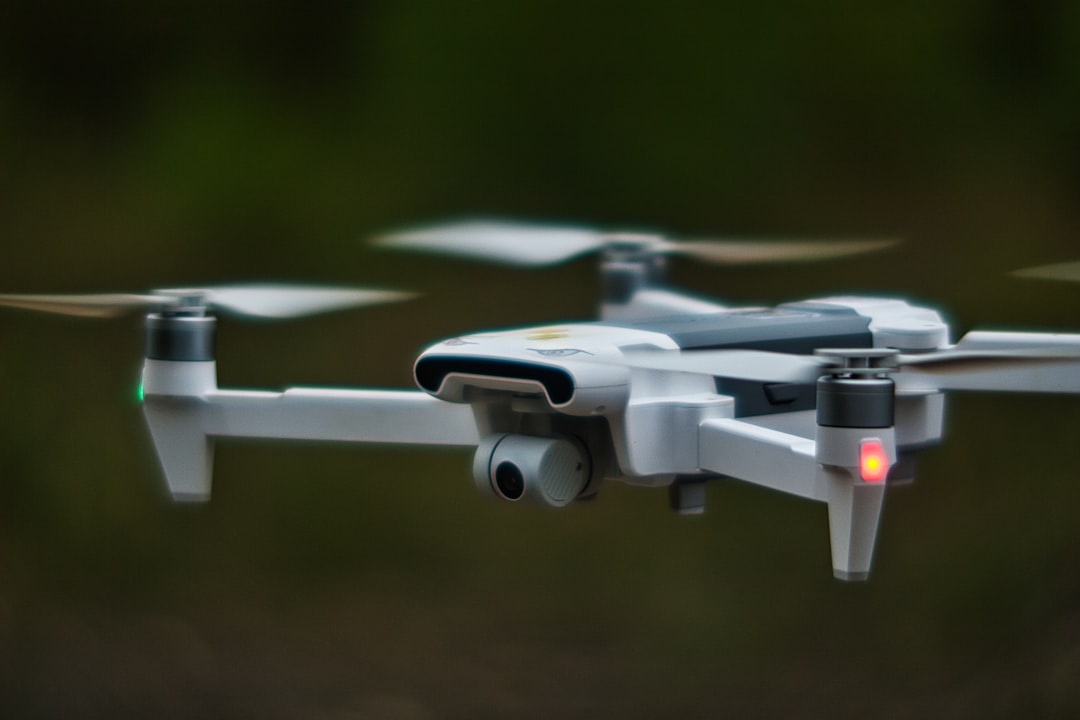
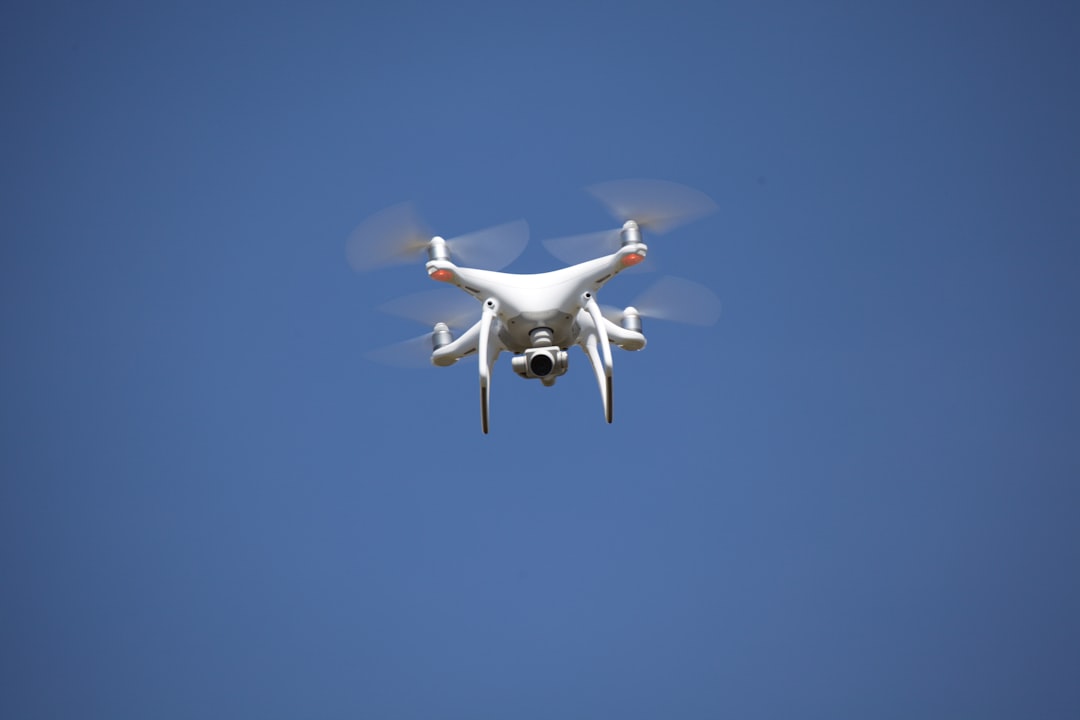
For those who may be unfamiliar, drones are unmanned aerial vehicles (UAVs) that use a combination of sensors, GPS, and sophisticated software to navigate and capture data. They can be equipped with a range of payloads, including cameras, sensors, and even small cargo containers. At Arfi Foundation, we're using drones to survey disaster-affected areas, assess damage, and identify areas of need.
**How are Drones Being Used in Disaster Response?**
In the aftermath of a disaster, time is of the essence. Drones can quickly and safely survey damaged areas, providing critical information to first responders and aid organizations. This allows us to prioritize our efforts and allocate resources more effectively. For example, in the wake of a hurricane, a drone can fly over a flooded area to identify safe passage routes and locate stranded survivors.
At Arfi Foundation, we've been using drones to support our relief efforts in several key ways:
1. **Damage Assessment**: Drones equipped with high-resolution cameras can capture detailed images of damaged buildings and infrastructure, helping us to assess the extent of the damage and identify areas that require urgent attention.
2. **Needs Assessment**: By analyzing data from drones, we can identify areas where aid is most needed, such as food, shelter, and medical supplies.
3. **Search and Rescue**: Drones can be used to locate missing people, particularly in hard-to-reach areas or where traditional search methods are not feasible.
4. **Monitoring and Evaluation**: Drones can provide ongoing monitoring and evaluation of relief efforts, helping us to assess the effectiveness of our interventions and make data-driven decisions.
**The Benefits of Drones in Disaster Response**
So why are drones such a game-changer in disaster response? Here are just a few of the benefits we've seen:
1. **Safety**: Drones can operate in hazardous environments without putting human lives at risk.
2. **Speed**: Drones can survey areas quickly and efficiently, reducing the time it takes to respond to a disaster.
3. **Cost-Effectiveness**: Drones can be more cost-effective than traditional methods of surveying and assessing damage.
4. **Accuracy**: Drones can provide high-resolution images and data, allowing us to make more informed decisions.
**Challenges and Limitations**
While drones offer many benefits, there are also challenges and limitations to consider. For example:
1. **Regulatory Frameworks**: Drone regulations can be complex and restrictive, requiring special permits and licenses to operate.
2. **Weather Conditions**: Weather conditions can affect drone performance and visibility.
3. **Battery Life**: Drones have limited battery life, requiring frequent recharging or replacement.
4. **Data Management**: Managing and analyzing the vast amounts of data collected by drones can be a challenge.
**Conclusion**
At Arfi Foundation, we believe that drones have the potential to revolutionize disaster response and relief work. By harnessing the power of drones, we can deliver aid more efficiently, effectively, and safely, ultimately saving lives and improving outcomes. While there are challenges and limitations to consider, we're committed to overcoming these obstacles and exploring new ways to use drones to make a difference.
**Practical Insights**
For those interested in learning more about drones and how they can be used in disaster response, here are a few practical insights:
1. **Start small**: Begin with a small-scale drone project to test the waters and build momentum.
2. **Collaborate with experts**: Partner with drone experts and organizations to gain knowledge and expertise.
3. **Develop a robust data management plan**: Establish a plan for collecting, analyzing, and sharing drone data.
4. **Stay up-to-date with regulations**: Familiarize yourself with local regulations and requirements for drone operation.
**Next Steps**
At Arfi Foundation, we're committed to continuing to explore the potential of drones in disaster response and relief work. We're working with drone experts, NGOs, and governments to develop new technologies and strategies for using drones to save lives and improve outcomes.
**EXCERPT:**
"Discover how Arfi Foundation is harnessing the power of drones to revolutionize disaster response and relief work. Learn about the benefits, challenges, and practical insights behind this cutting-edge technology, and how it's helping us to make a difference in the lives of those affected by disaster."

Related Posts
#3139 **Empowering Disaster Response and Environmental Conservation with Drones: Arfi Foundation's Innovative Approach**
**CONTENT**
As a leading NGO/charity organization, Arfi Foundation has been at the forefront of disaster response and environmental conservation efforts around the world. In recent years, the foundation has leveraged the power of drones to enhance its operations, improve efficiency, and make a greater impact. In this blog post, we'll explore how Arfi Foundation uses drones in its work, the benefits of this technology, and the exciting projects underway.
At Arfi Foundation, we recognize the potential of drones to transform disaster response and environmental conservation. Our team of experts has been working tirelessly to integrate drones into our operations, utilizing them for a range of tasks, from aerial surveys and damage assessments to search and rescue missions. By leveraging drone technology, we're able to respond more quickly and effectively to disasters, saving lives and reducing the impact of these events.
One of the key benefits of drones is their ability to access hard-to-reach areas, providing critical information in the aftermath of a disaster. For example, following a recent earthquake in a remote region, our drone team was able to survey the affected area, identifying critical infrastructure damage and prioritizing response efforts. This information was then shared with emergency responders, enabling them to allocate resources more effectively and save lives.
In addition to disaster response, Arfi Foundation is also using drones to support environmental conservation efforts. Our team has been working with local communities to monitor wildlife populations, track deforestation, and identify areas of high conservation value. By leveraging drone technology, we're able to gather critical data more efficiently and effectively, supporting evidence-based conservation decisions.
But the benefits of drones go beyond just data collection and response efforts. They also offer a unique opportunity for education and community engagement. At Arfi Foundation, we're working with local schools and communities to establish drone-based education programs, empowering the next generation of conservationists and disaster responders. These programs not only teach critical skills but also inspire young people to take action on environmental and social issues.
**Practical Insights and Tips**
For organizations looking to integrate drones into their operations, here are a few practical insights and tips from our team:
1. **Choose the right drone**: With so many options available, selecting the right drone for your needs can be overwhelming. Consider factors such as payload capacity, flight time, and environmental conditions.
2. **Develop a clear strategy**: Before deploying drones, it's essential to define a clear strategy and objectives. This will help ensure effective use of resources and maximize the impact of your drone program.
3. **Invest in training**: Drone pilots require specialized training to ensure safe and effective operation. Invest in training for your team to maximize the benefits of your drone program.
4. **Collaborate with local communities**: Building partnerships with local communities is critical to successful drone-based conservation and disaster response efforts. Engage with local stakeholders to ensure that drone technology is used in a responsible and culturally sensitive manner.
**Conclusion**
At Arfi Foundation, we're committed to leveraging the latest technologies to drive positive change. Our work with drones is a prime example of this commitment, demonstrating the potential of this innovative technology to transform disaster response and environmental conservation efforts. As we continue to innovate and expand our drone program, we're excited to share our insights and experiences with others, inspiring a new generation of leaders and changemakers.
**EXCERPT**
Arfi Foundation is harnessing the power of drones to transform disaster response and environmental conservation efforts. By leveraging drone technology, we're able to respond more quickly and effectively to disasters, saving lives and reducing the impact of these events. With a focus on education, community engagement, and evidence-based conservation, our drone program is empowering a new generation of leaders and changemakers.




#2790 ** "Elevating Humanitarian Efforts: How Arfi Foundation is Revolutionizing Disaster Response with Drones"
**
As a leading non-governmental organization (NGO), Arfi Foundation has been at the forefront of humanitarian efforts worldwide. Our mission is to provide critical assistance to those affected by disasters, conflicts, and other crises. In recent years, we've been leveraging a cutting-edge technology to enhance our response efforts: drones.
Drones, also known as unmanned aerial vehicles (UAVs), have transformed the way we approach disaster response and recovery. Equipped with high-resolution cameras, sensors, and communication devices, these aerial vehicles enable us to collect vital information, assess damage, and deliver aid in a timely and efficient manner.
At Arfi Foundation, we've been utilizing drones to support our humanitarian programs in various ways. Firstly, we use drones to conduct aerial assessments of affected areas, providing us with valuable insights into the extent of damage and the needs of the affected population. This information enables us to prioritize our response efforts, allocate resources effectively, and make informed decisions about the type and quantity of aid required.
One of the most significant advantages of using drones in disaster response is their ability to access remote or hard-to-reach areas. In areas where infrastructure has been damaged or destroyed, drones can navigate through rubble and debris, providing critical information about the situation on the ground. This has been particularly useful in response to natural disasters such as hurricanes, floods, and earthquakes.
In addition to aerial assessments, we've also been using drones to deliver essential supplies, such as food, water, and medical aid. This is particularly useful in situations where traditional delivery methods are not feasible or are too risky. For example, during the recent floods in Bangladesh, we used drones to deliver critical medical supplies to isolated communities, helping to save lives and alleviate suffering.
Another innovative application of drones in humanitarian response is in the field of search and rescue operations. Equipped with thermal imaging cameras and other sensors, drones can be used to locate missing persons, detect survivors, and identify potential hazards. This has been particularly useful in response to natural disasters, such as landslides and tsunamis, where the risk of injury or death is high.
At Arfi Foundation, we're committed to ensuring that our use of drones is safe, responsible, and effective. To this end, we've implemented strict protocols and guidelines for drone operations, including training our staff and partners on the safe use of drones, conducting regular maintenance and inspections, and ensuring that our drones comply with local regulations and laws.
In conclusion, drones have revolutionized the way we approach disaster response and recovery. At Arfi Foundation, we're committed to leveraging this technology to enhance our humanitarian efforts, save lives, and alleviate suffering. As we continue to innovate and adapt in the face of emerging challenges, we're confident that our use of drones will make a tangible difference in the lives of those we serve.
**EXCERPT:** "At Arfi Foundation, we're harnessing the power of drones to revolutionize disaster response and recovery. From aerial assessments to supply delivery and search and rescue operations, drones are transforming the way we provide critical assistance to those affected by crises."




#2441 **Empowering Communities with Drones: Arfi Foundation's Innovative Approach**
**Content:**
At the Arfi Foundation, we're passionate about harnessing the power of technology to drive positive change in the world. One of the most exciting areas we're exploring is the use of drones for humanitarian purposes. In this blog post, we'll delve into the world of drones and how Arfi Foundation is using them to make a real difference in communities around the globe.
**What are Drones and How Do They Work?**
Drones, also known as unmanned aerial vehicles (UAVs), are remotely controlled or autonomous aircraft that use sensors, cameras, and GPS to capture data and images from the air. They're incredibly versatile and can be used for a wide range of applications, from aerial photography and videography to disaster response and environmental monitoring.
**The Power of Drones in Humanitarian Work**
Drones offer an unprecedented level of flexibility and reach in humanitarian work. They can quickly and safely access areas that are difficult or impossible for humans to reach, such as disaster zones, conflict areas, or remote communities. This allows our team to gather critical information and imagery that informs our response efforts and helps us make data-driven decisions.
At Arfi Foundation, we're using drones to support our humanitarian programs in several ways:
1. **Disaster Response**: Drones enable us to rapidly assess damage and identify areas of need after a disaster. This allows us to allocate resources more effectively and provide life-saving assistance to those affected.
2. **Environmental Monitoring**: We're using drones to monitor deforestation, wildlife populations, and other environmental indicators in vulnerable ecosystems. This helps us develop targeted conservation strategies and advocate for policy changes to protect the environment.
3. **Community Development**: Drones are helping us map rural communities and identify areas where infrastructure development is needed. This allows us to prioritize our resources and build more effective, sustainable solutions that benefit the most vulnerable populations.
**Challenges and Opportunities**
While drones offer incredible potential, there are also challenges to consider. Issues like regulations, safety, and data management require careful navigation to ensure that our work is effective and responsible. However, we believe that the benefits of using drones in humanitarian work far outweigh the challenges.
**Arfi Foundation's Drone Program**
At Arfi Foundation, we're committed to developing a comprehensive drone program that leverages the latest technologies and best practices in the field. Our team is working closely with experts in drone technology, humanitarian response, and community development to design and implement effective solutions that meet the needs of our beneficiaries.
Some key aspects of our drone program include:
1. **Capacity Building**: We're providing training and capacity-building programs for our staff and partners to ensure they have the skills and knowledge needed to safely operate and maintain drones.
2. **Technology Advancements**: We're staying at the forefront of drone technology, exploring new innovations and applications that can help us work more effectively and efficiently.
3. **Data Analysis**: We're developing data analysis tools and processes that enable us to extract insights from drone data and inform our response efforts.
**Conclusion**
Drones are an incredibly powerful tool in the humanitarian sector, offering unparalleled flexibility and reach. At Arfi Foundation, we're committed to harnessing this technology to drive positive change in communities around the globe. By leveraging drones to support our humanitarian programs, we're able to make a real difference in the lives of those we serve.
Whether it's responding to disasters, monitoring environmental indicators, or developing community infrastructure, drones are helping us work more effectively and efficiently. We're excited to continue exploring the potential of drones and look forward to sharing our insights and experiences with the humanitarian community.
**Excerpt:**
At Arfi Foundation, we're harnessing the power of drones to drive positive change in communities around the globe. From disaster response to environmental monitoring and community development, drones are helping us work more effectively and efficiently. Our comprehensive drone program is designed to leverage the latest technologies and best practices in the field, ensuring that we're making a real difference in the lives of those we serve.




#2092 **Empowering Communities with Drones: The Arfi Foundation's Innovative Approach**
**EXCERPT:** At the Arfi Foundation, we're harnessing the power of drones to transform lives and communities. Learn how we're using these cutting-edge technologies to deliver aid, support conservation efforts, and promote inclusive development.
As a non-governmental organization (NGO), the Arfi Foundation has always been at the forefront of innovative solutions to tackle some of the world's most pressing challenges. One area where we're making significant strides is in the use of drones. These unmanned aerial vehicles (UAVs) offer a game-changing way to collect data, deliver aid, and support conservation efforts in remote and hard-to-reach areas. In this blog post, we'll explore how the Arfi Foundation is leveraging drones to make a real difference in the lives of people and communities around the world.
**The Power of Drones**
Drones have come a long way since their early beginnings as military surveillance tools. Today, they're being used in a wide range of applications, from aerial photography and videography to environmental monitoring and disaster response. At the Arfi Foundation, we're particularly interested in the potential of drones to support our development and conservation programs.
One of the key advantages of drones is their ability to collect high-quality data in areas that are inaccessible or difficult to reach by traditional means. This is particularly important in regions where infrastructure is limited or non-existent. By using drones equipped with sensors and cameras, we can gather valuable insights on issues such as deforestation, water quality, and crop health.
**Arfi Foundation's Drone Program**
Our drone program is an integral part of our efforts to support sustainable development and conservation in various parts of the world. We're working with local communities, governments, and other stakeholders to identify areas where drones can make a positive impact.
One of our flagship projects is a drone-based conservation initiative in a remote wildlife reserve. Using drones equipped with thermal imaging cameras, we're monitoring the health and behavior of endangered species, such as elephants and rhinos. This data is helping us to develop more effective conservation strategies and reduce human-wildlife conflicts.
We're also using drones to support disaster response efforts. In the aftermath of natural disasters, such as hurricanes and floods, drones can quickly assess damage and identify areas of need. This information is critical for coordinating relief efforts and ensuring that aid reaches those who need it most.
**Practical Insights and Tips**
If you're considering using drones for your own development or conservation program, here are some practical insights and tips to keep in mind:
1. **Regulations and Permissions**: Before launching a drone program, make sure to research and comply with local regulations and obtain necessary permits.
2. **Data Management**: Develop a clear plan for collecting, storing, and analyzing data collected from drones.
3. **Community Engagement**: Engage with local communities and stakeholders to ensure that drone operations are transparent and benefits are shared equitably.
4. **Maintenance and Repair**: Regularly maintain and repair drones to ensure they're in good working condition.
5. **Capacity Building**: Invest in training and capacity-building initiatives to ensure that local teams can effectively operate and maintain drones.
**Conclusion**
The Arfi Foundation is committed to harnessing the power of drones to transform lives and communities. By leveraging these cutting-edge technologies, we're able to collect valuable data, support conservation efforts, and promote inclusive development. As we continue to push the boundaries of what's possible with drones, we invite you to join us on this journey and learn more about our innovative approaches to sustainable development and conservation.




#1724 **Empowering Disaster Response and Humanitarian Aid with Drones: The Arfi Foundation's Innovative Approach**
**CONTENT**
The Arfi Foundation is a leading non-governmental organization (NGO) dedicated to providing humanitarian aid and disaster response services to vulnerable communities worldwide. In recent years, the foundation has been at the forefront of adopting innovative technologies to enhance the efficiency and effectiveness of its operations. One such technology that has revolutionized the field of disaster response and aid delivery is drones. In this blog post, we will delve into the world of drones and explore how the Arfi Foundation is leveraging them to make a meaningful impact.
**What are Drones, and Why are They Essential in Disaster Response?**
Drones, also known as unmanned aerial vehicles (UAVs), are remotely controlled or autonomous aircraft that can be equipped with a range of sensors and cameras. They have become an essential tool in disaster response and humanitarian aid due to their ability to rapidly assess damage, monitor disaster zones, and deliver critical supplies to affected areas. Drones are particularly useful in areas inaccessible by traditional means, such as dense forests or disaster-stricken regions.
**The Arfi Foundation's Drone Program**
The Arfi Foundation has been actively using drones in its disaster response and humanitarian aid efforts for several years. Our team of experts has been trained to operate and maintain drones, which are equipped with high-resolution cameras, thermal imaging sensors, and other advanced technologies. We use drones to conduct aerial surveys, assess damage, and identify areas of need. This information allows us to prioritize our response efforts and allocate resources more effectively.
One of the most significant advantages of using drones is their ability to rapidly transmit critical information to our teams on the ground. This enables us to respond quickly and effectively to emerging needs, such as search and rescue operations or medical emergencies. In addition, drones can be used to deliver essential supplies, such as food, water, and medical equipment, to remote or hard-to-reach areas.
**Case Studies and Success Stories**
The Arfi Foundation has used drones in several high-profile disaster response operations, including the 2018 Kerala floods in India and the 2020 Beirut explosion in Lebanon. In both cases, our drones played a critical role in assessing damage, identifying areas of need, and delivering essential supplies.
In Kerala, our drones were used to create high-resolution maps of affected areas, which helped our teams to prioritize response efforts and allocate resources more effectively. We also used drones to deliver critical supplies, such as food and water, to remote villages that were inaccessible by traditional means.
**Challenges and Future Directions**
While drones have revolutionized the field of disaster response and humanitarian aid, there are several challenges that need to be addressed. One of the main challenges is the need for regulatory frameworks that enable the safe and effective use of drones in disaster response operations. Another challenge is the need for more advanced technologies, such as autonomous drones that can operate without human intervention.
The Arfi Foundation is committed to addressing these challenges and continuing to innovate in the field of drone technology. We are currently exploring the use of advanced drone technologies, such as artificial intelligence and machine learning, to enhance the efficiency and effectiveness of our response operations.
**Conclusion**
The Arfi Foundation is proud to be at the forefront of using drones in disaster response and humanitarian aid. Our innovative approach has enabled us to respond more effectively to emerging needs and deliver critical supplies to vulnerable communities worldwide. As we continue to innovate and adapt to new technologies, we remain committed to our mission of empowering disaster response and humanitarian aid efforts through the use of drones.
**EXCERPT**
The Arfi Foundation is revolutionizing disaster response and humanitarian aid with the use of drones. Our innovative approach has enabled us to rapidly assess damage, monitor disaster zones, and deliver critical supplies to affected areas. With a focus on leveraging advanced technologies, such as artificial intelligence and machine learning, we are committed to enhancing the efficiency and effectiveness of our response operations.









Comments
5 comments