#1892 ** Building Lasting Impact: The Power of Habits in NGO Work - Lessons from the Arfi Foundation
**
At the Arfi Foundation, we've long recognized the significance of habits in driving lasting change in the communities we serve. As a non-governmental organization (NGO) dedicated to improving the lives of marginalized individuals, we've seen firsthand how habits can either hinder or enhance our mission. In this blog post, we'll delve into the importance of habits in NGO work and explore the strategies we've found effective in cultivating positive habits within our organization.
**Understanding Habits**
Before we dive into the specifics, it's essential to understand what habits are and how they work. Habits are automatic behaviors that become ingrained through repetition and practice. According to research, it takes approximately 66 days for a new behavior to become a habit, but consistency is key to solidifying these new behaviors. For NGOs like the Arfi Foundation, this means that cultivating positive habits can lead to significant improvements in efficiency, productivity, and overall impact.
**Identifying and Shifting Unhelpful Habits**
One of the most critical aspects of building positive habits is recognizing and addressing unhelpful ones. In the context of an NGO, this might mean identifying habits that hinder progress, such as procrastination, lack of communication, or inefficient resource allocation. At the Arfi Foundation, we've found that regular self-reflection and feedback from team members can help us identify areas for improvement. By acknowledging these unhelpful habits, we can take steps to replace them with more constructive ones.
**Cultivating Positive Habits**
So, how do we cultivate positive habits within our organization? Here are a few strategies we've found effective:
1. **Set Clear Goals**: When goals are well-defined, it's easier to create habits that support achieving them. At the Arfi Foundation, we set specific, measurable, and achievable objectives for each project, ensuring that everyone is working towards the same outcome.
2. **Establish a Routine**: Consistency is key to developing habits. We've created a regular schedule for team meetings, project updates, and community engagement, ensuring that everyone is aware of their responsibilities and deadlines.
3. **Encourage Feedback and Learning**: Constructive feedback and ongoing learning are essential for growth and development. We foster an environment where team members feel comfortable sharing their ideas and concerns, and where we can learn from our mistakes.
4. **Celebrate Successes**: Recognizing and celebrating our achievements, no matter how small, helps to reinforce positive habits and motivate the team.
**Practical Tips for NGOs**
If you're an NGO looking to build lasting impact through habits, here are a few practical tips to get you started:
1. **Start small**: Begin with one or two habits you'd like to cultivate, and gradually build from there.
2. **Create accountability**: Share your goals and progress with a colleague or mentor to stay on track.
3. **Make it enjoyable**: Incorporate activities that bring you joy and fulfillment into your routine.
4. **Be patient**: Building habits takes time, so don't get discouraged if you encounter setbacks.
**Conclusion**
As an NGO, building lasting impact requires more than just good intentions. By cultivating positive habits, we can create a foundation for sustained progress and growth. At the Arfi Foundation, we're committed to ongoing learning and self-improvement, recognizing that habits are a key driver of our mission. By sharing our experiences and insights, we hope to inspire other NGOs to adopt similar strategies and achieve lasting impact.
**EXCERPT:**
At the Arfi Foundation, we've discovered the power of habits in driving lasting change in the communities we serve. By cultivating positive habits and addressing unhelpful ones, we've improved efficiency, productivity, and overall impact. Learn how to build habits that drive lasting impact and achieve your mission.




Related Posts
#2939 ** Building Better Habits for a Brighter Future: How Arfi Foundation Empowers Sustainable Change
**
At Arfi Foundation, we're dedicated to creating positive impact in our communities. One key area we focus on is building habits that foster sustainable change. Good habits can have a profound effect on our well-being, productivity, and relationships, but they can also be difficult to establish and maintain. In this blog post, we'll explore the importance of habits in personal and social development, and share insights on how Arfi Foundation works to empower individuals and communities to adopt positive habits.
**The Power of Habits**
Habits are automatic actions we perform in response to specific cues. They can be thought of as "shortcuts" our brains create to simplify decision-making and conserve energy. Habits can be either beneficial or detrimental, and they play a significant role in shaping our lives. Research has shown that up to 40% of our daily activities are driven by habits, rather than conscious decision-making. This means that habits can have a profound impact on our physical and mental health, relationships, and overall quality of life.
**Arfi Foundation's Approach**
At Arfi Foundation, we recognize the critical role habits play in creating sustainable change. Our programs and initiatives are designed to empower individuals and communities to develop positive habits that promote physical and mental well-being, social cohesion, and environmental sustainability. We achieve this by:
1. **Building Capacity**: We provide training and resources to help individuals and communities develop the skills and knowledge they need to adopt positive habits.
2. **Creating Enabling Environments**: We support the creation of environments that facilitate healthy habits, such as green spaces, community centers, and access to healthy food options.
3. **Fostering Accountability**: We encourage individuals and communities to hold themselves accountable for adopting and maintaining positive habits through regular check-ins and support networks.
4. **Celebrating Successes**: We recognize and celebrate the successes of individuals and communities who have adopted positive habits, providing motivation and inspiration for others to follow suit.
**Practical Insights**
Developing positive habits requires commitment, patience, and persistence. Here are some practical tips to help you get started:
1. **Start Small**: Begin with one or two habits you'd like to adopt, and gradually build up to more.
2. **Create a Routine**: Establish a regular routine that includes time for your new habits.
3. **Track Your Progress**: Use a habit tracker or journal to monitor your progress and identify areas for improvement.
4. **Seek Support**: Share your goals with a friend or family member and ask them to hold you accountable.
5. **Celebrate Milestones**: Reward yourself for reaching milestones and celebrate your successes with others.
**Conclusion**
Building better habits is a journey that requires dedication and perseverance. At Arfi Foundation, we're committed to empowering individuals and communities to adopt positive habits that promote sustainable change. By understanding the power of habits and leveraging our expertise and resources, we can create a brighter future for all. Join us in our mission to build a world where everyone has the opportunity to thrive.
**EXCERPT:**
At Arfi Foundation, we're dedicated to creating positive impact in our communities through building habits that foster sustainable change. Learn how we empower individuals and communities to adopt positive habits that promote physical and mental well-being, social cohesion, and environmental sustainability. Our comprehensive guide provides practical insights and tips on how to develop positive habits that last.




#2590 ** Building a Culture of Habits: How Arfi Foundation Empowers Sustainable Change
**
At Arfi Foundation, we believe that lasting social impact is not just about sporadic events or one-time donations, but about cultivating a culture of habits that foster long-term change. As a non-governmental organization (NGO) dedicated to empowering marginalized communities, we understand that developing healthy habits is crucial for individuals, organizations, and societies as a whole. In this blog post, we'll delve into the concept of habits and how Arfi Foundation works to build a culture of habits that promotes sustainable change.
**What are Habits?**
Habits are automatic responses to specific stimuli that are learned through repetition and become ingrained in our behavior. They can be both positive and negative, influencing various aspects of our lives, from physical health to mental well-being, relationships, and productivity. Developing good habits can have a significant impact on our mental and physical health, while breaking negative habits can lead to improved overall well-being.
**The Power of Habits in Social Impact**
In the context of social impact, habits play a crucial role in driving lasting change. By cultivating positive habits, individuals and communities can develop the skills, knowledge, and motivation needed to overcome social and economic challenges. For instance, regular exercise and healthy eating habits can improve physical health, while habits of financial literacy and savings can empower individuals to break the cycle of poverty.
**How Arfi Foundation Fosters a Culture of Habits**
At Arfi Foundation, we recognize the importance of habits in driving social impact. Our programs and initiatives are designed to help individuals and communities develop positive habits that promote sustainable change. Here are some ways we work to build a culture of habits:
1. **Capacity Building**: We provide training and capacity-building programs that equip individuals and organizations with the skills and knowledge needed to develop positive habits.
2. **Community Engagement**: We engage with local communities through outreach programs, workshops, and events that promote healthy habits and social change.
3. **Partnerships**: We partner with local organizations, government agencies, and businesses to amplify our impact and promote a culture of habits.
4. **Monitoring and Evaluation**: We regularly monitor and evaluate our programs to assess their effectiveness and identify areas for improvement.
**Practical Strategies for Building Habits**
Developing positive habits requires a combination of intention, motivation, and practice. Here are some practical strategies for building habits:
1. **Set Clear Goals**: Identify specific habits you want to develop and set clear goals for achieving them.
2. **Create a Routine**: Establish a routine that incorporates your desired habits and make them a part of your daily or weekly schedule.
3. **Track Progress**: Keep track of your progress and celebrate small wins along the way.
4. **Accountability**: Share your goals with a friend or mentor and ask them to hold you accountable.
**Conclusion**
Building a culture of habits is a crucial step towards creating lasting social impact. At Arfi Foundation, we're committed to empowering individuals and communities to develop positive habits that promote sustainable change. By understanding the power of habits and incorporating practical strategies into our work, we can create a ripple effect of positive change that extends far beyond our organization. Join us in this journey towards building a culture of habits that transforms lives and communities.
**EXCERPT:** At Arfi Foundation, we believe that building a culture of habits is key to creating lasting social impact. By understanding the power of habits and incorporating practical strategies into our work, we can empower individuals and communities to develop positive habits that promote sustainable change.




#2241 ** Cultivating Lasting Change: The Power of Habits in Creating Sustainable Impact at Arfi Foundation
**
At Arfi Foundation, we believe that lasting change is built on the foundation of consistent habits. As a non-governmental organization (NGO) dedicated to creating positive impact in our community, we've learned that developing habits is crucial for achieving our goals and making a meaningful difference. In this blog post, we'll explore the importance of habits in creating sustainable impact, and share some practical insights on how Arfi Foundation works to cultivate these habits.
**Why Habits Matter**
Habits are the building blocks of behavior. They're automatic actions that we perform without much conscious thought, and they can either help or hinder our progress towards our goals. At Arfi Foundation, we understand that developing healthy habits can lead to significant improvements in our work, from increasing efficiency to enhancing our overall well-being. By incorporating habits into our daily routines, we can create a sense of consistency and predictability, which is essential for making lasting change.
**The Science of Habits**
Research has shown that habits are formed through a process called the "habit loop." This involves a cue (a trigger that sets off the habit), a routine (the behavior itself), and a reward (the payoff or satisfaction we get from performing the habit). At Arfi Foundation, we've applied this knowledge to our work by identifying key habits that support our mission and goals.
**Key Habits at Arfi Foundation**
Some of the key habits that we prioritize at Arfi Foundation include:
* **Regular reflection and evaluation**: We set aside time each week to reflect on our progress, discuss challenges, and identify areas for improvement. This helps us stay on track and make adjustments as needed.
* **Quality time with community members**: We make it a habit to spend quality time with the community members we serve, listening to their stories, and learning from their experiences. This helps us build trust and strengthen our relationships.
* **Continuous learning and professional development**: We prioritize ongoing training and professional development to stay up-to-date with best practices and new knowledge. This helps us improve our skills and stay effective in our work.
* **Effective communication and collaboration**: We make a habit of communicating clearly and regularly with our team, partners, and stakeholders. This helps us work together effectively and achieve our goals.
**Practical Insights**
So, how can you apply the power of habits to your own work or personal life? Here are some practical insights from our experience at Arfi Foundation:
* **Start small**: Don't try to change everything at once. Start with one or two habits and gradually build from there.
* **Be consistent**: Consistency is key when it comes to developing habits. Try to perform your habits at the same time every day or week.
* **Track your progress**: Keep track of your progress, whether it's through a journal, spreadsheet, or mobile app. This will help you stay motivated and see the impact of your habits.
* **Make it enjoyable**: Choose habits that bring you joy or satisfaction. This will make it more likely that you'll stick to them.
**Conclusion**
At Arfi Foundation, we believe that habits are the foundation of lasting change. By developing habits that support our mission and goals, we can create a sense of consistency and predictability that leads to significant improvements in our work. We hope that this blog post has inspired you to explore the power of habits in creating sustainable impact. Remember, small actions can add up over time, and developing habits is a key part of making lasting change.
**EXCERPT:** At Arfi Foundation, we believe that habits are the key to creating lasting change. By developing consistent habits, we can achieve our goals and make a meaningful difference in our community. In this blog post, we share practical insights on how to cultivate habits and create sustainable impact.




#1531 ** Building Lasting Change: The Power of Habits in Social Impact Work at Arfi Foundation
**
As a non-governmental organization (NGO) dedicated to making a difference in the lives of marginalized communities, Arfi Foundation has long recognized the importance of habits in driving social impact. Our team has spent years studying the power of habits and how they can be leveraged to create lasting change. In this post, we'll delve into the world of habits and explore how we're using them to achieve our mission.
So, what are habits, exactly? A habit is a routine or behavior that is repeated regularly, often without much conscious thought. It's a learned behavior that becomes automatic over time, shaping our thoughts, feelings, and actions. Habits can be either positive or negative, and they play a significant role in determining our overall well-being and success.
At Arfi Foundation, we recognize that habits are a key driver of social impact. By understanding and influencing the habits of our beneficiaries, we can create a ripple effect of positive change in their lives. For example, our team has worked with communities to establish healthy habits such as regular exercise, balanced eating, and good hygiene practices. These habits have had a profound impact on the physical and mental well-being of our beneficiaries, improving their overall quality of life.
But habits are not just limited to individual behavior. They also play a crucial role in shaping the culture and environment of our organizations. At Arfi Foundation, we're committed to creating a culture of accountability, transparency, and collaboration. We've established habits such as regular team meetings, open communication channels, and a shared vision for our work. These habits have helped us build a strong, cohesive team that's dedicated to our mission.
So, how do we use habits to drive social impact at Arfi Foundation? Here are a few practical examples:
1. **Goal-setting and tracking**: We've established habits of regular goal-setting and tracking to ensure that our team is focused on achieving our mission. This involves setting clear, measurable objectives and regularly reviewing progress to stay on track.
2. **Community engagement**: We've established habits of regular community engagement, including participatory meetings, focus groups, and one-on-one conversations with our beneficiaries. This helps us stay connected to the needs and concerns of our community and ensure that our programs are effective and relevant.
3. **Continuous learning**: We've established habits of continuous learning, including regular training and capacity-building programs for our team members. This helps us stay up-to-date with best practices in our field and ensure that our team has the skills and knowledge needed to deliver high-quality programs.
In conclusion, habits are a powerful tool for driving social impact at Arfi Foundation. By understanding and leveraging the power of habits, we can create a ripple effect of positive change in the lives of our beneficiaries. Whether it's establishing healthy habits, shaping organizational culture, or driving community engagement, habits are a key driver of our success. We hope that this post has provided you with practical insights and inspiration for using habits to drive meaningful change in your own work.
At Arfi Foundation, we're committed to using the power of habits to create lasting social change. Join us on this journey and together, let's build a brighter future for all.




#772 10 Hacks Every Apple Watch User Should Know
The Apple Watch is both a companion to the iPhone, as well as a very capable device in its own right. Out of the box, it offers notification mirroring, so you feel every alert on your iPhone on your wrist, as well as workout tracking, so you can keep up with your fitness goals. But this wearable can be so much more than that. In fact, it doesn't take much to make your Apple Watch more personal and efficient. If you own one, here are ten hacks you need to know about:
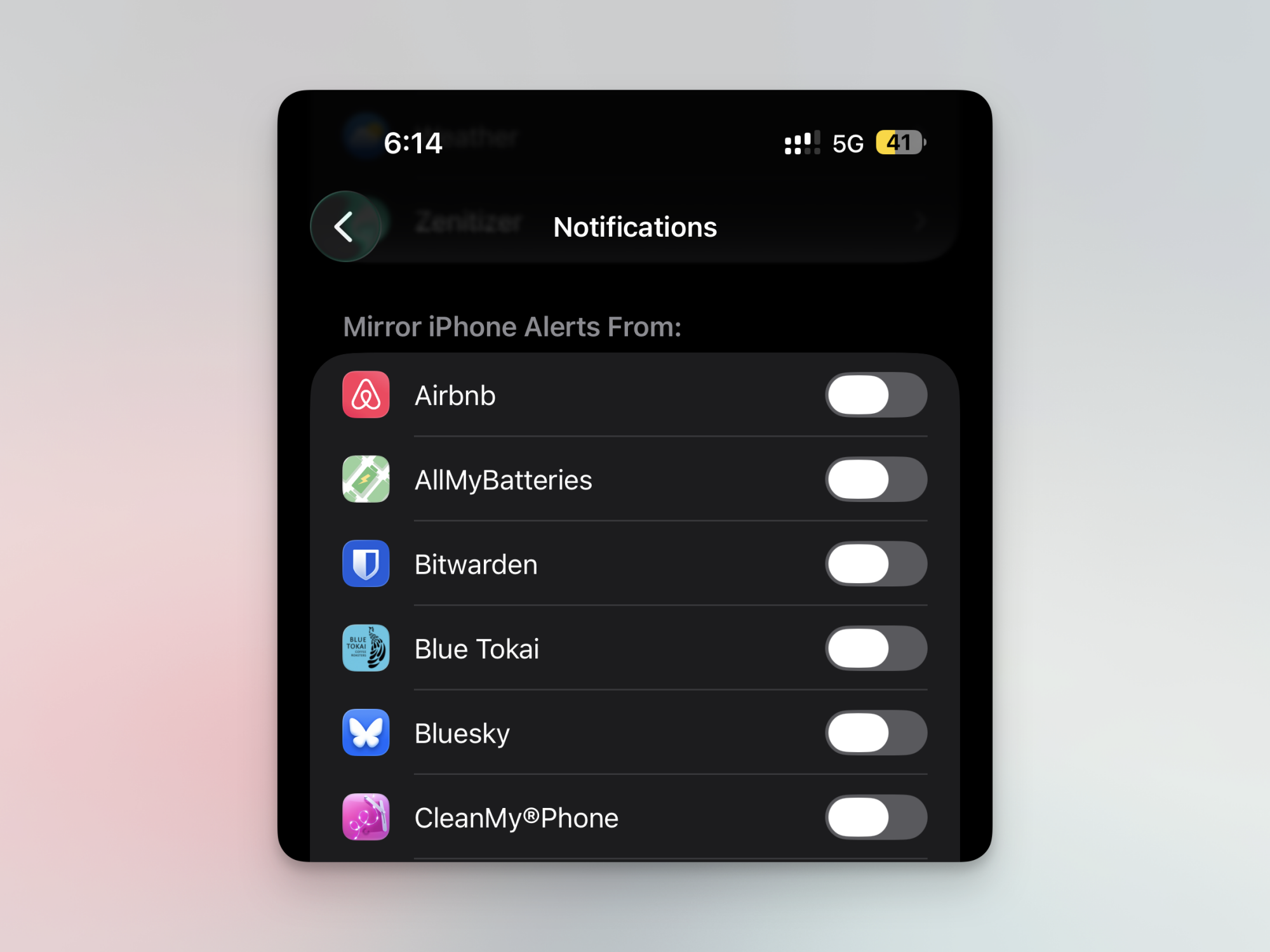
Disable every notification you can

Get your notifications under control. By default, Apple likes to forward every single alert from iPhone to your watch. That’s just a recipe for distraction. You should turn off most of these alerts, and only keep the most important notifications. An important message from Slack or a text from a close friend is worth the distraction; a promotion from Uber is not. Open the Watch app on your iPhone, go to Notifications, scroll down and disable most of the apps that mirror alerts from the iPhone.
While you’re at it, it might help to keep your Watch in Silent mode at all times. Open the Control Center by pressing the Side button and tap the Bell icon to quiet your watch for good.
Master the Apple Watch's wrist gestures

The Apple Watch's recent wrist gestures have turned out to be a sleeper hit for me. What I thought would be a gimmick is something I use multiple times a day now. If you have an Apple Watch Series 9, Ultra 2, SE 3, or higher, you get access to two gestures: Double Tap and Wrist Flick. First, if you tap your index finger and your thumb twice in the air, you’ll perform the major action current on-screen. This could include answering a call, stopping a timer, or stopping a workout. I use this all the time now, even when I don’t have my hands full. Second, you can flick your wrist up to go back a screen on your watch. This is a simple way to get back from menus, or to go back to the watch face, without actually tapping the screen.
Automatically unlock your Mac with your Apple Watch

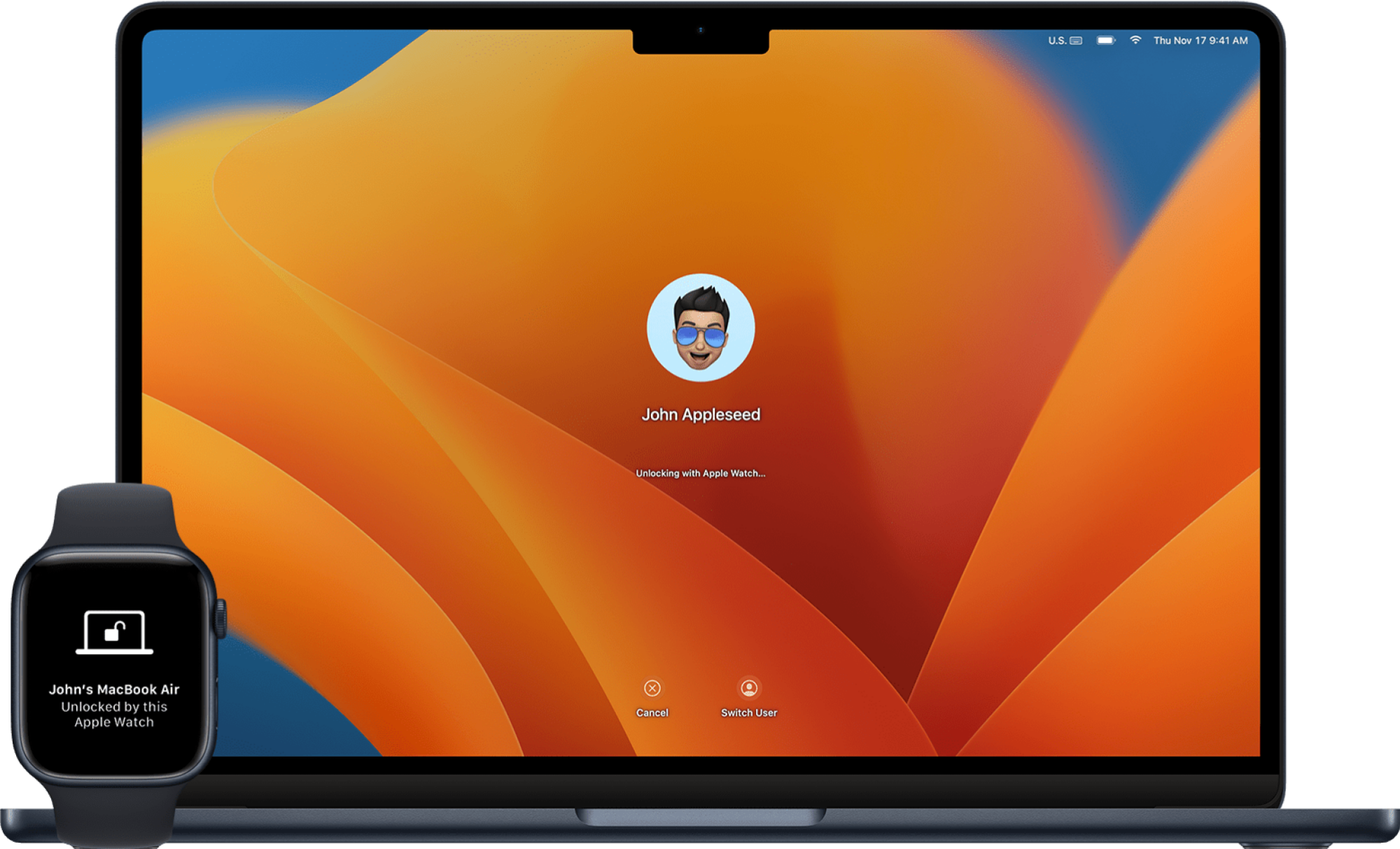
This is a feature I've been using for years, but since it's buried quite deep in settings, many users don't know about it. Once set up, you can unlock your Mac automatically as long as you’re wearing your Apple Watch. It doesn’t even have to be on the same wifi network, so this works when you’re out and about.
To set this up, go to System Settings on your Mac, then choose Touch ID & Password. In the Apple Watch section, simply turn on the sync feature for your Apple Watch. Once you authenticate with your Mac password, you’ll be good to go. The next time you lift the lid on your Mac, macOS will automatically sign you in.
Start using widgets

I used to love customizing my watch face with all the various complications for timers, shortcuts, and, weather, just to name a few. But I was never really satisfied with how cluttered things looked when it was all set up. That changed once I embraced the Photos watch face, and moved all the contextual information and shortcuts to widgets. Keeping all those functions and data points in a collapsable stack of widgets, rather than all on screen at once, looks so much better.
To try this out for yourself, scroll using the Crown or swipe up on the watch face to access your widgets. Go to the bottom and tap the Edit button to start customizing your widget stack. You can add three app shortcuts to the top widget. I usually save this for workouts, battery, and the quick timer. Then, I have dedicated widgets for my Activity Rings, Weather, Shortcuts, Sleep, and more. You can pin widgets in the order that you want, and watchOS will also automatically suggest relevant widgets depending on your usage. Dive in deeper with our detailed guide on customizing widgets.
Create your watch face stack, and cycle through them

Once you move your app interactions to widgets, your watch faces suddenly open up. Take some time to create and customize two to three watch faces that you can switch between as you wish. It's easy to do at any time: just swipe in from the left or the right edge to change the watch face.
Creating and customizing watch faces is actually easier on the Watch app on the iPhone. In fact, it’s the only place where you can set up my favorite watch face: the Photos watch face. This watch face cycles between the photos of my wife, nature, and urban landscapes, showing me a fresh selection each day. I love this watch face quite a lot. You can also create a watch face for fitness tracking and fitness modes, and a simple watch face for regular use. (My favorites here are Typograph and Meridian watch faces.)
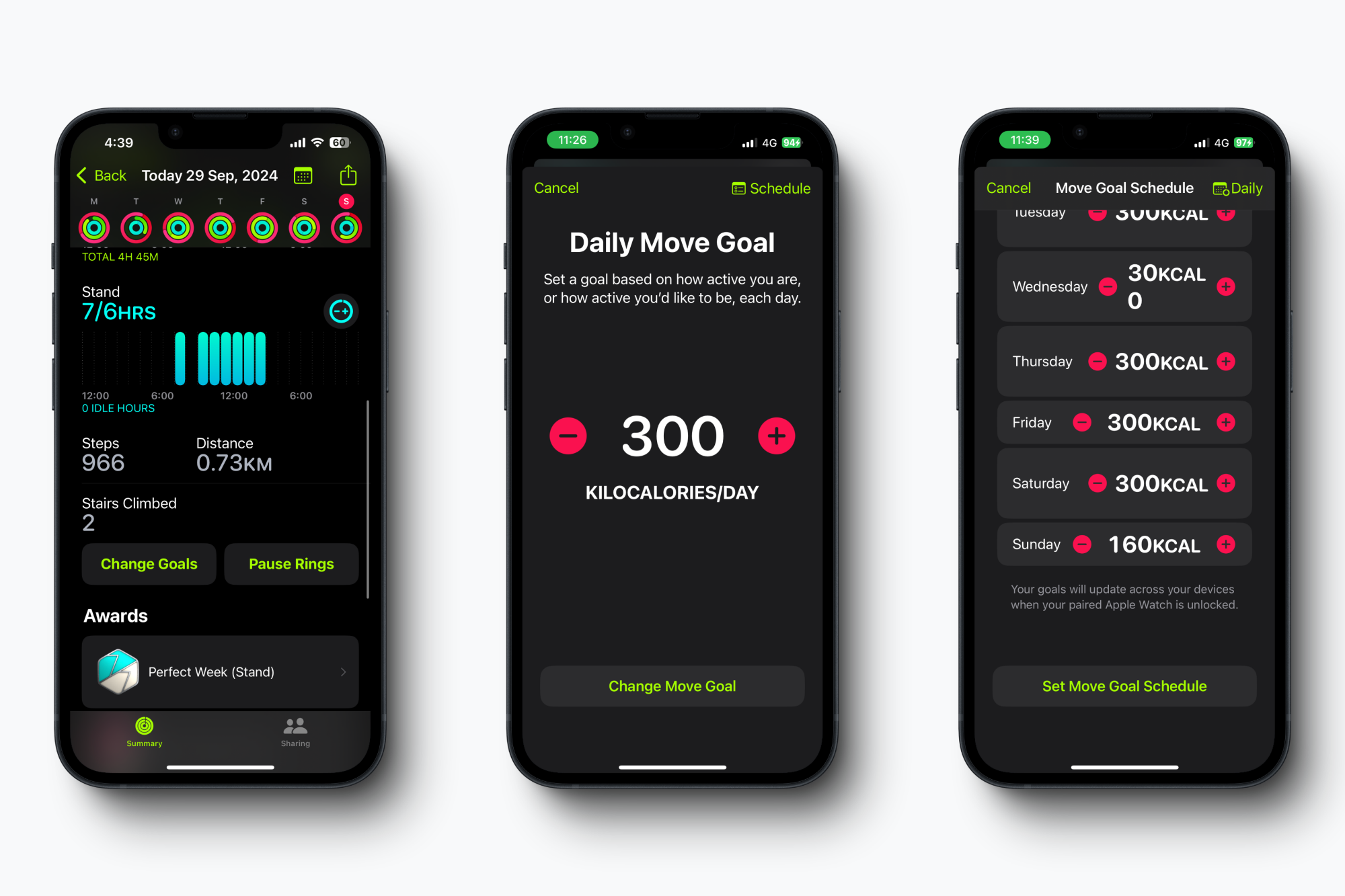
Adjust your Activity Rings as needed

For almost a decade, you couldn’t edit your Activity Rings. If you got sick, or just wanted to take an easy day, you’d lose your fitness streak. This, of course, isn’t the healthiest approach to fitness—for that, you should check out the Gentler Streak app. However, since last year's watchOS 11, you’ve had the option to pause or change your Activity Rings. You can do this from the Fitness app on iPhone, which is slightly easier than using the Apple Watch itself. From the Fitness app, tap Activity Rings, then scroll down, where you'll see Change Goals and Pause Rings. Choose the relevant option to get started. I have detailed instructions in my guide as well.
Control your Apple TV from your wrist

If you use an Apple TV, you know how easy it is to lose the remote. You might be familiar with the Apple TV’s remote control feature on the iPhone, but that same feature exists on the Apple Watch as well. You’ll have to find the Remote app from the app list, then choose your Apple TV. It should appear as long as it's on the same network as your watch, and nearby. From here, you can use swipe gestures and buttons to control playback on your TV.
Blare your alarms, even in silent mode

On the Apple Watch, silent mode and alarm sound levels are married to each other, unlike on the iPhone. But recently, Apple added a feature where you can break-through silent mode for a particular alarm—it's just not enabled by default for all alarms. To set it up, open an alarm from the Alarms app, go to the Edit Alarm menu, scroll down, and enable Break Through Silent Mode.
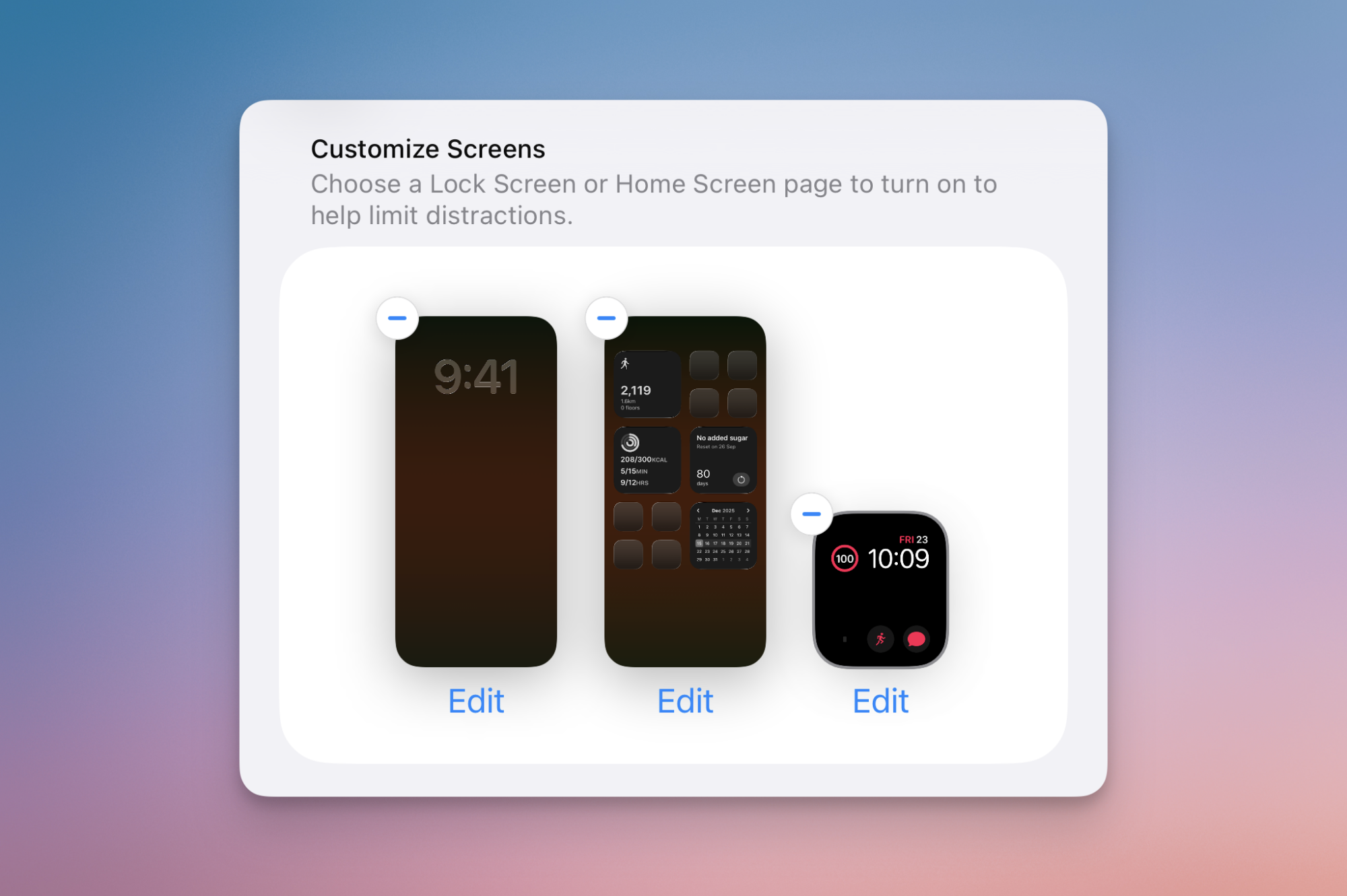
Customize Focuses with Apple Watch in mind

Focuses on the iPhone are supremely powerful, and underrated. And things get a lot more interesting when you add Apple Watch to the mix. Each Focus can have its own watch face associated with it, so you can have a different watch face for your work Focus, another one for your personal Focus, and a fitness watch face for your workout Focus. Go to Settings > Focus to customize or create any Focus.
Track your sleep

Your Apple Watch comes with a built-in sleep tracker. To use it, you can either go to the Sleep app on Apple Watch, and create a sleep schedule, or simply switch to the Sleep Focus. When you’re in sleep mode, your watch automatically goes dark and silent, so you won't be bothered by any notifications.
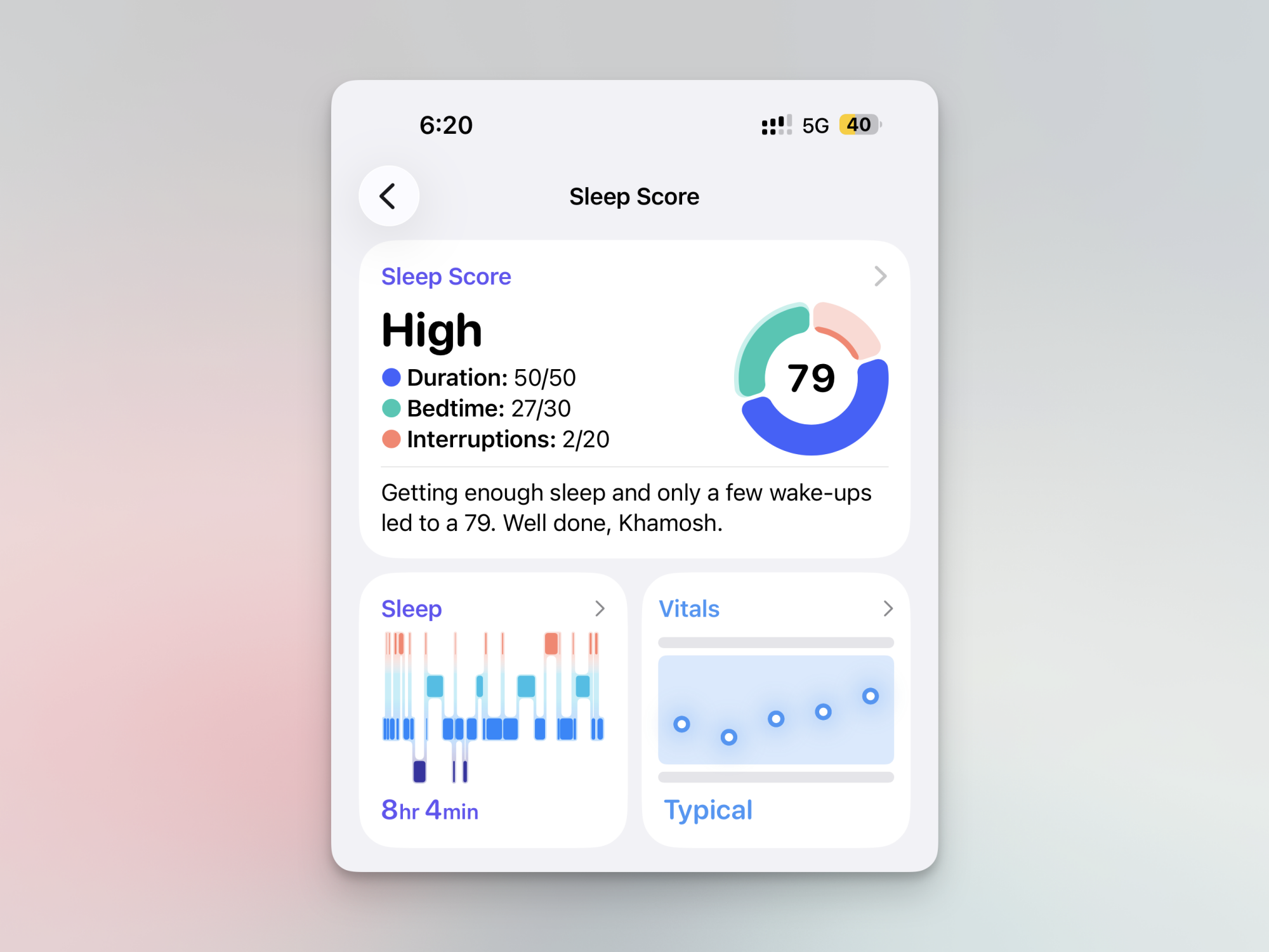
With watchOS 26, your Apple Watch now also gives you a sleep score, which offers more insights into your sleeping habits. I’ve been using the Sleep mode this past year with my Apple Watch Series 10, and I’ve gotten a lot out of the sleep tracking feature already.






#738 You Should Try This Simple (but Effective) 100-Year Old Productivity Method
When you want to be more productive, it helps to have a role model. Financial blogs are forever interviewing contemporary CEOs about their work habits, but those aren’t that inspirational; they’re always claiming that meditation and not answering emails are the keys to success, which isn’t super helpful to the average person who doesn’t have the time or resources to meditate or the luxury of hiring an assistant. For real inspo, you might want to try looking back in history to a time before tech founders preached about a #grindset: Ivy Lee, the founder of modern public relations, came up with a productivity method so good that it’s lived on for 100 years—and it still bears his name.
How do you use the Ivy Lee method?
Ivy Lee came up with his productivity method in an effort to help big businesses in the 1920s get more done. It’s all about creating manageable, prioritized to-do lists and sticking with them until they’re complete.
The method itself is simple. At the end of every work day, write down six tasks you have to complete tomorrow. (If it’s Friday, write down what you need to do Monday. Don’t forget that taking breaks over the weekend is important for productivity, too.) Do not write down more than six. The goal here is for the list to be manageable, not never-ending, so use your judgment to determine which six things are most important for the next day. If you're struggling to select just six, use the pickle jar theory to narrow it down; or try considering not only the resources they'll take, but the impact they'll have, by using the MIT method.
Next, prioritize them. You can do this however you see fit, but consider using a method like the Eisenhower Matrix to figure out which tasks are the timeliest and most urgent. Used in conjunction with the MIT method, this will ensure you're tackling your responsibilities in exactly the right order to produce maximum results.
Hand-writing the to-do list is beneficial. You can do this in a digital note or doc, but writing by hand sticks it in your brain, so you might consider using an old-fashioned planner.
The next day, it’s time to start on the list—no second-guessing or negotiations. Begin with the first task in the morning and see it all the way through before jumping to the second one. Keep going until the end of the workday, tapping into your capacity for doing deep work by focusing on just one task or project at a time. When your day is over, anything that is incomplete should be moved to tomorrow’s list and new tasks should be added to it until you reach six.
By rolling the tasks over, you ensure they’ll get done, but by being aware that you have the option to roll them over at all, you won’t feel overwhelmed. Do try to keep the tasks as granular as possible, though. Instead of writing “end-of-quarter report” as one list item, break it down. If pulling and analyzing the data is a step to writing the report, make it one task. If inputting it into a presentation is another, that’s one task, too.
As mentioned, you can do this in a planner, a digital note, or even your calendar, but the most important elements are maintaining that low number of tasks, prioritizing them, and not abandoning them if they are unfinished.
Be sure to prioritize whatever you roll over to the next day above any new tasks, so everything gets done, and always use those prioritization methods to make sure you're addressing things in the most efficient order. An unimportant task Monday can turn into an urgent one by Thursday if you keep rolling it over without thinking about it.






Comments
4 comments