 By Jacek Krywko
 The evolution of expendability: Why some ants traded armor for numbers
The trade-off between quality and quantity is a fundamental economic dilemma. Now, a team of British, American, and Japanese researchers describes how it applies to biology, as well. They have...
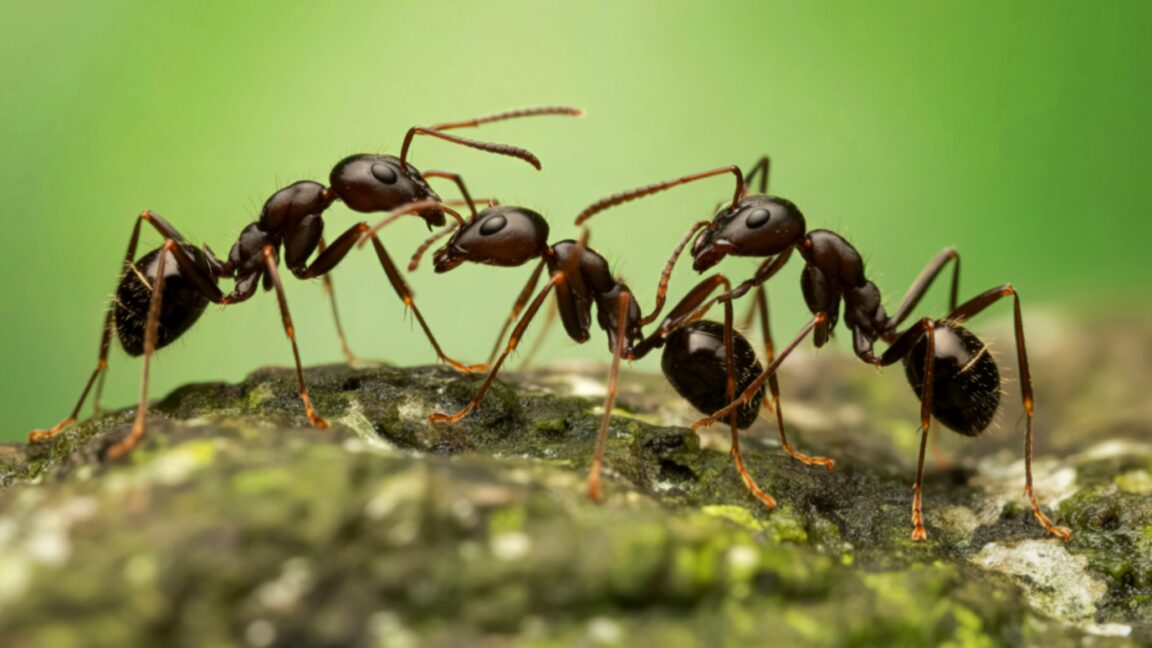
The trade-off between quality and quantity is a fundamental economic dilemma. Now, a team of British, American, and Japanese researchers describes how it applies to biology, as well. They have discovered that this dilemma most likely shaped the evolutionary trajectory of ants, one of Earth’s most successful groups of organisms.
Their study reveals that, as ant societies grew in complexity and numbers, they didn’t just make their workers smaller—they also made them cheaper.
The cost of armor
In the insect world, the exoskeleton known as the cuticle serves as a protective barrier against predators, pathogens, and desiccation, while providing the structural framework for muscle attachment. But this protection comes at a price. Building a robust cuticle requires significant amounts of nitrogen and rare minerals like zinc and manganese. While skimping on armor for an individual insect may be a death sentence, the evolution of ants apparently found a way around it.

Recent posts